
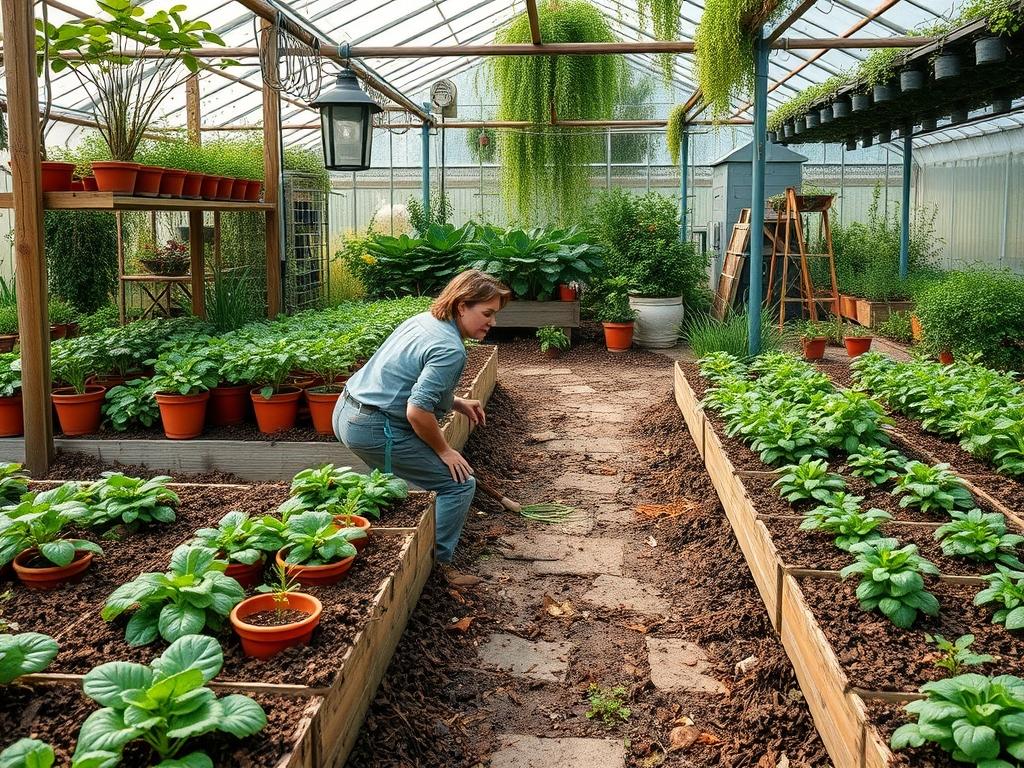
Landscape architecture is frequently perceived as an exercise in surface aesthetics, yet the most enduring outdoor environments are built from the bottom up. The ultimate success of any residential or commercial site depends on a biological invisible factor: Soil Microbiome Diversity. When a designer approaches a new project, they must reconcile the client’s desire for immediate curb appeal with the long term biological requirements of the land. In various climates, from the arid southwest to the humid coastal regions, the soil serves as the central nervous system of the garden. It regulates water retention, nutrient cycling, and plant immunity. Ignoring the microbial health of the site leads to a cycle of chemical dependency and frequent plant replacement. By prioritizing the invisible life within the soil, we create landscapes that are not only functional and beautiful but also resilient against environmental stressors.
Landscape Design Principles
Functional landscape design requires a delicate balance between hardscape elements and living systems. To achieve visual harmony, architects utilize symmetry and focal points to guide the eye across different Elevation Layers. A high quality design often begins with a structural anchor, such as a Retaining Wall or a large specimen tree, which provides a sense of permanence. However, these architectural features must coexist with the biological needs of the site. For instance, Walkways composed of Flagstone or Permeable Pavers should be designed to allow gas exchange and water infiltration, which are essential for maintaining the underground microbial networks that support nearby plantings.
Visual balance is achieved through the intentional layering of textures and heights. We often use the “thriller, filler, spiller” methodology on a grander scale by selecting upright trees, mid-level shrubs, and cascading groundcovers. Beyond the aesthetics, this layering mimics natural ecosystems, providing varied root depths that enhance Soil Microbiome Diversity. Deep-rooted species break up heavy clays and transport nutrients to the surface, while shallow-rooted plants protect the soil surface from erosion and temperature extremes. Furthermore, the integration of smart Irrigation systems, such as Drip Lines, ensures that moisture is delivered directly to the root zone without causing the surface compaction or runoff often associated with traditional overhead sprayers.
Plant and Material Selection
The following table outlines high performance selections that thrive when supported by robust soil biology. These selections represent a mix of structural and ornamental options for a diverse landscape.
| Plant Type | Sun Exposure | Soil Needs | Water Demand | Growth Speed | Maintenance Level |
| :— | :— | :— | :— | :— | :— |
| Quercus virginiana (Oak) | Full Sun | Well Draining | Moderate | Medium | Low |
| Lavandula angustifolia | Full Sun | Sandy/Lean | Low | Moderate | Medium |
| Hydrangea macrophylla | Part Shade | Rich/Humus | High | Fast | High |
| Taxus baccata (Yew) | Full to Part Shade | Versatile | Low | Slow | Low |
| Carex pensylvanica | Part to Full Shade | Loam | Moderate | Moderate | Low |
| Echinacea purpurea | Full Sun | Poor to Average | Low | Fast | Medium |
Selecting the right materials extends beyond the plants. Using high quality Organic Compost and Arborist Wood Chips acts as a fuel source for the microbiome. These materials decompose slowly; they provide a steady stream of carbon that feeds the fungi and bacteria responsible for soil structure. When selecting Hardscape materials, consider the thermal mass of Stone versus Timber, as excessive heat radiation from dark surfaces can inadvertently sterilize the top few inches of soil in adjacent planting beds.
Implementation Strategy
The transition from a design blueprint to a flourishing garden requires a systematic implementation strategy. The first step in any major installation is Grading. Proper site leveling ensures that water moves away from building foundations while staying long enough in planting zones to recharge the water table. During this phase, it is vital to avoid excessive heavy machinery traffic over future planting areas. The weight of a Skid Steer or Excavator can crush the delicate pore spaces in the earth; this eliminates the oxygen required by aerobic microbes. If compaction occurs, use a Broadfork or mechanical aerator to restore tilth before adding any amendments.
Once the grade is set, the installation of Drainage infrastructure, such as French Drains or Catch Basins, should follow. This prevents anaerobic conditions where “bad” bacteria thrive and rot plant roots. Following the structural work, delineate the planting beds using Steel Edging or Spade Cut Edges to create a clean visual break between the turf and the ornamental layers. When placing plants, the hole should be twice as wide as the root ball but no deeper. This encourages lateral root growth into the native soil. Finally, apply a 3 inch Layer of Hardwood Mulch across all exposed soil. This protective blanket regulates temperature and preserves the humidity levels necessary for the soil microbiome to thrive.
Common Landscaping Failures
One of the most frequent mistakes in professional landscaping is the over-reliance on synthetic fertilizers. While these products provide a quick “green up,” they often contain high salt indices that dehydrate and kill the very microorganisms responsible for long term plant health. Without these microbes, the soil becomes inert and lifeless, requiring even more chemical intervention to sustain growth. Another common failure is Root Overcrowding. Designers often place plants too close together to achieve an “instant” mature look. This leads to competition for resources and poor air circulation, which invites fungal pathogens that can devastate an entire row of Buxus or Prunus species.
Soil Compaction remains a silent killer in many new developments. When builders scrape away the topsoil and drive heavy equipment over the subsoil, they create a surface as hard as concrete. Planting directly into this without remediation leads to “pot-bound” syndrome, where roots cannot penetrate the surrounding earth and eventually circle back on themselves. Furthermore, improper Irrigation scheduling can be equally damaging. Watering too frequently for short durations keeps the surface wet but leaves the deeper soil dry. This encourages shallow root systems that are highly susceptible to drought and heat waves.
Seasonal Maintenance
Seasonal care is a continuous process of supporting the living foundation of the landscape. In the Spring, focus on soil testing and gentle aeration. This is the ideal time to apply a thin layer of Compost Tea or Humic Acid to jumpstart microbial activity as the ground warms. Prune any winter-damaged limbs using Bypass Pruners to prevent disease from entering the plant tissue. As the garden moves into Summer, the priority shifts to moisture management. Monitor the Mulch depth and ensure that it has not matted down into a water-shedding crust. If the weather is exceptionally dry, deep soak the trees once a week to maintain the hydration of the deep-soil fungal networks.
During Autumn, the goal is preparation and nutrient cycling. Do not remove all the fallen leaves from the planting beds; instead, shred them with a Mulching Mower and leave them to decompose. This leaf litter is the primary food source for earthworms and beneficial fungi during the cooler months. Winter is the season of dormancy, but the soil is still active. Avoid using harsh de-icing salts on paths near planting beds, as the sodium can be toxic to the microbiome. Use Sand or Birdseed for traction instead. This is also the best time for structural pruning of deciduous trees, as their architecture is fully visible and the plants are less prone to stress.
Professional Landscaping FAQ
How does mulch influence soil microbiome diversity?
Mulch acts as a slow-release carbon source and a protective buffer. It moderates soil temperature and retains moisture, creating a stable environment where beneficial fungi and bacteria can decompose organic matter into usable plant nutrients.
Can I fix compacted soil without removing the lawn?
Yes, use a core aerator to remove small plugs of soil and thatch. Follow this by top-dressing with a 1/4 inch Layer of Finely Screened Compost, which introduces new biology into the root zone and improves overall structure.
Why are native plants better for soil health?
Native Plants have co-evolved with local soil microbes. Their root exudates are specifically designed to attract and feed the indigenous bacteria and fungi that provide the best defense against local pests and diseases in your specific region.
What is the best way to handle garden drainage?
Install a Rain Garden or a Bioswale at the lowest point of your property. These features use specific plants and gravel layers to filter runoff, allowing the water to slowly recharge the soil rather than eroding the landscape.
How often should I test my soil?
Perform a professional soil test every Two to Three Years. This provides data on pH levels, organic matter percentage, and nutrient deficiencies, allowing you to make informed decisions about amendments rather than guessing and potentially harming the microbiome.