
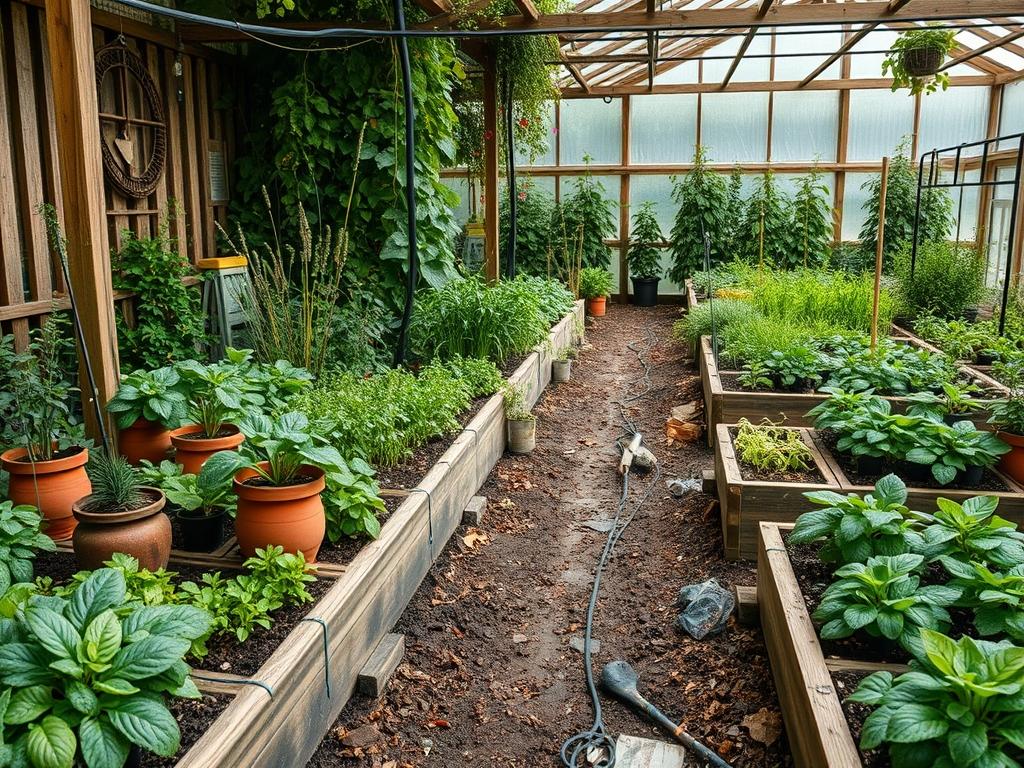
Integrating heritage flora into a modern landscape requires more than simply planting seeds; it demands a sophisticated understanding of spatial architecture and historical context. The landscaping challenge lies in balancing the untamed, sprawling nature of traditional medicinal plants with the structured requirements of contemporary curb appeal. Designing Ancestral Herb Gardens serves as a bridge between the botanical wisdom of the past and the functional outdoor living goals of the present. A primary consideration remains the site microclimate, which dictates whether a sensitive heirloom species will thrive or wither. Beyond aesthetics, these gardens must improve the property value through strategic drainage, durable hardscaping, and intentional elevation changes that draw the eye toward historical focal points. By treating the garden as a living architectural extension of the home, designers create spaces that provide culinary utility while functioning as high performance ecological zones.
Landscape Design Principles
Effective landscape design for an ancestral space begins with the principle of symmetry, often reflected in the traditional four fold or “physic garden” layout. This structured approach provides an immediate sense of order that offsets the organic, sometimes chaotic growth cycles of perennial herbs. To achieve this, the designer must identify a central focal point, such as a stone sundial, a cast iron birdbath, or a reclaimed timber arbor. Around this center, the garden should radiate outward in geometric patterns. This layout is not merely for show; it facilitates clear access for harvesting and maintenance without disturbing delicate root systems.
Elevation layers are equally critical in a professional design. Utilizing retaining walls built from natural fieldstone or limestone allows the architect to create vertical interest and distinct planting pockets. These walls also serve a functional purpose by preventing soil erosion and managing hydraulic pressure on sloped lots. By raising certain beds to 18 inches or 24 inches, the designer improves accessibility for the gardener and provides better drainage for Mediterranean herbs like Lavender and Thyme, which are prone to root rot in low lying areas.
Walkways should be wide enough for two people to pass, typically measuring at least 36 inches. Using permeable materials such as crushed granite, pea gravel, or flagstone ensures that rainwater infiltrates the ground rather than pooling on the surface. These pathways act as the “bones” of the garden, guiding the viewer through rows of Sage and Artemisia while defining the boundaries of the planting beds. Irrigation planning must be subterranean to maintain the historic aesthetic. Drip irrigation systems hidden beneath a layer of organic mulch deliver water directly to the root zone, reducing evaporation and preventing the foliage diseases common in overhead watering.
Plant and Material Selection
Selecting the right cultivars involves researching regional heritage and soil compatibility. The following table provides a breakdown of essential species for a resilient ancestral landscape.
| Plant Type | Sun Exposure | Soil Needs | Water Demand | Growth Speed | Maintenance Level |
| :— | :— | :— | :— | :— | :— |
| Rosemary (Salvia rosmarinus) | Full Sun | Sandy, Well-Drained | Low | Moderate | Low |
| Common Sage (Salvia officinalis) | Full Sun | Loamy, pH 6.0-7.0 | Moderate | Moderate | Moderate |
| English Lavender (Lavandula) | Full Sun | Alkaline, Gritty | Very Low | Slow | Low |
| Peppermint (Mentha piperita) | Partial Shade | Moist, Rich | High | Fast | High (Invasive) |
| Lemon Balm (Melissa officinalis) | Sun/Part Shade | Any, Well-Drained | Moderate | Fast | Moderate |
| Echinacea (Echinacea purpurea) | Full Sun | Well-Drained | Low | Moderate | Low |
| Bay Laurel (Laurus nobilis) | Full Sun/Shade | Rich, Well-Drained | Moderate | Slow | High (Pruning) |
Implementation Strategy
The transition from a conceptual design to a physical backyard installation begins with a thorough site survey. Grading is the most vital step; the ground must slope away from any residential structures at a minimum of 2 percent to ensure proper runoff. Once the grade is established, the designer uses marking paint to outline the beds and paths. Excavation follows, during which shovels and trenching tools are used to install the primary irrigation lines and any necessary French drains to handle heavy rainfall.
After the infrastructure is in place, the focus shifts to soil preparation. Ancestral Herb Gardens often require a specific soil profile that mimics the lean, rocky soils of the Mediterranean or the rich, humic soils of ancient woodland edges. Amending the existing earth with compost, perlite, or horticultural grit ensures the long term health of the plants. Edging materials like Corten steel or tumbled brick should be installed at this stage to create a permanent barrier between the turf and the herb beds. These edges should sit roughly 1 inch above the soil line to keep mulch contained.
When planting, start with the largest specimens first to establish the “anchor” points. Bay Laurel trees or large Rosemary shrubs define the corners of the design. Once the anchors are in, fill in the mid-size perennials and finish with groundcovers. Every plant should be watered in immediately, and a layer of hardwood mulch or pine straw at a depth of 3 inches should be applied across the beds. This helps regulate soil temperature and suppresses weed growth during the establishment phase.
Common Landscaping Failures
One of the most frequent mistakes in herb garden design is improper drainage. Many ancestral herbs are native to arid climates; planting them in heavy clay without amendments leads to anaerobic soil conditions and fungal infection. If the soil lacks natural drainage, install perforated pipes and gravel pits to move water away from the root zones. Another common failure is root overcrowding. Designers often plant for immediate fullness without considering the mature spread of the species. A Rosemary plant that looks small in a 1 gallon pot can easily reach 4 feet in width, eventually choking out nearby Thyme or Oregano.
Soil compaction is a hidden killer of successful landscapes. High foot traffic near planting beds compresses the soil, destroying the pore space necessary for oxygen and water movement. Implementing defined walkways with clear borders prevents visitors from stepping into the beds. Furthermore, failing to account for the invasive nature of certain herbs is a major oversight. Species like Mint or Tansy should be contained within submerged pots or concrete planters to prevent them from overtaking the entire garden. Finally, irrigation inefficiency often occurs when designers group high water plants with drought tolerant species, leading to either parched foliage or overwatered roots.
Seasonal Maintenance
Landscape management is a year round commitment that changes with the solar cycle. In the spring, the primary task is the removal of winter debris and the application of a slow release organic fertilizer. This is also the time for structural pruning of woody herbs. Use bypass pruners to cut back dead wood and shape the plants before the first flush of new growth. As summer arrives, the focus shifts to water management. Monitor the soil moisture sensors and adjust the irrigation controller to account for high temperatures and evaporation rates. Deadheading spent blooms on Echinacea and Lavender during this time will often encourage a second flowering.
Autumn is the season for soil replenishment and protection. Apply a fresh layer of compost to the base of the plants to restore nutrients depleted during the growing season. For tender herbs that are not hardy to your specific zone, consider installing frost blankets or moving them into protected areas. In the winter, maintenance becomes a matter of preservation. Avoid heavy pruning during the dormant phase, as the old growth provides a thermal shield for the plant’s crown. Check the integrity of retaining walls and pavers, ensuring that freeze and thaw cycles have not caused shifting or cracking in the hardscaping.
Professional Landscaping FAQ
How do I select the best location for an ancestral garden?
Choose a site that receives a minimum of 6 hours of direct sunlight. Accessibility to the kitchen is vital for functional herb use. Ensure the area has high ground or managed drainage to prevent stagnant water accumulation near roots.
What are the best materials for durable garden pathways?
Flagstone and decomposed granite offer excellent durability and a timeless aesthetic. These materials are permeable, allowing water to reach the soil. Use landscape fabric beneath the stones to prevent weed intrusion and maintain a clean, professional appearance.
How can I integrate native plants into a heritage herb design?
Research local species that were historically used for medicinal or culinary purposes by indigenous populations. Species like Elderberry or Wild Bergamot provide ecological benefits for local pollinators while maintaining the ancestral theme and ensuring high survival rates in your specific climate.
Is supplemental irrigation necessary for established herbs?
While many herbs are drought tolerant once established, supplemental drip irrigation is recommended during periods of extreme heat. This ensures consistent growth and essential oil production. Modern smart controllers help manage water usage based on real time local weather data.
What is the best way to prevent soil erosion in herb beds?
Utilize retaining walls or terracing on sloped terrain to levels the planting areas. Interspersing deep rooted perennials with creeping groundcovers like Creeping Thyme helps bind the soil. Maintaining a 3 inch layer of mulch also protects against surface runoff.