Integrating a specialized breeding program like Saving Potato True Seeds into a high-end residential landscape requires more than a standard kitchen garden layout. Most homeowners are accustomed to growing potatoes from tubers, which are genetic clones of the mother plant. However, cultivating true potato seeds, which are found in the small green berries that appear after flowering, demands a sophisticated architectural approach to the outdoor environment. This challenge involves balancing the aesthetic requirements of curb appeal with the rigorous technical needs of a seed-saving operation. Because true seeds offer a higher degree of disease resistance and genetic diversity than clones, the landscape must be designed to facilitate a long growing season while protecting the delicate botanical structures from environmental stressors. From a landscape architect’s perspective, this means establishing a dedicated zone where drainage, light exposure, and soil composition are optimized for fruit production rather than just tuber mass.
The climate of your specific region will dictate the placement of your seed-saving beds within the larger property map. In temperate zones, maximizing solar gain is essential for the prolonged flowering period necessary for fruit maturation. Conversely, in sites with extreme summer heat, providing dappled shade during the afternoon can prevent the blossoms from dropping prematurely. Functionality in this context means creating a workspace that allows for close inspection of the Solanum tuberosum flowers and berries without compromising the visual flow of the garden. By treating the potato plants as structural elements with attractive, star-shaped blossoms, we can elevate them from hidden vegetable rows to central focal points in a modern edible landscape.
Landscape Design Principles
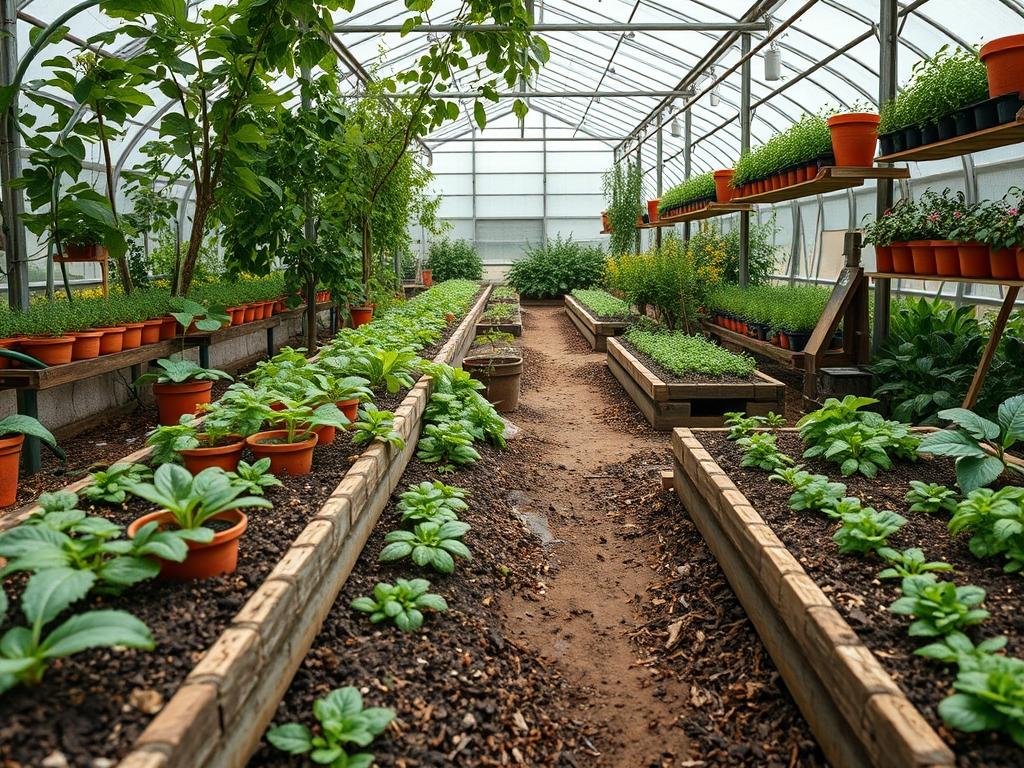
A successful landscape for Saving Potato True Seeds relies on the principles of symmetry and hierarchical layering. When designing the layout, I recommend using a central axis that aligns with a secondary garden feature, such as a stone fountain or a sculpted evergreen. This creates a sense of intentionality that distinguishes the seed-saving plot from a chaotic agricultural field. Elevation layers are particularly important in this design. By utilizing raised cedar beds at heights of 18 to 24 inches, we provide the necessary vertical interest while ensuring superior drainage for the root systems. These elevated structures also make the process of hand-pollinating and harvesting the small berries much more ergonomic for the gardener.
Irrigation planning must be invisible yet highly effective. Sub-surface drip irrigation systems are the preferred choice for a professional landscape because they deliver moisture directly to the root zone without wetting the foliage. This is critical for potato plants, as excess moisture on the leaves can invite late blight, which would decimate the seed crop before the berries ripen. Walkways should be constructed from stable, permeable materials such as crushed granite or pea gravel over a high-density weed barrier. These paths provide clean access during the muddy shoulder seasons when seed harvesting often takes place. Visual balance is achieved by framing the potato beds with low-growing, perennial borders that do not compete for nutrients but provide a soft transition to the rest of the lawn or hardscaped areas.
Plant and Material Selection
| Plant Type | Sun Exposure | Soil Needs | Water Demand | Growth Speed | Maintenance Level |
| :— | :— | :— | :— | :— | :— |
| Solanum tuberosum (TPS Focus) | Full Sun | Well-drained, Loamy | Moderate | Moderate | High |
| Lavandula angustifolia | Full Sun | Sandy, Alkaline | Low | Slow | Low |
| Tagetes patula (Marigold) | Full Sun | Rich, Well-drained | Moderate | Fast | Low |
| Nepeta (Catmint) | Full Sun/Part Shade | Adaptable | Low | Fast | Medium |
| Buxus sempervirens (Boxwood) | Full Sun/Shade | Loamy, Moist | Moderate | Slow | Medium |
| Lobularia maritima (Alyssum) | Full Sun/Part Shade | Moist, Well-drained | Moderate | Fast | Low |
Implementation Strategy
The implementation phase begins with a precise site grading plan to ensure that water moves away from the foundation of the home and any structural retaining walls. For a seed-saving garden, the soil must be amended with organic compost and vermiculite to create an airy, nutrient-rich medium that supports both tuber health and reproductive vitality. Begin by marking the perimeter of the beds using marking paint or string lines to ensure perfect right angles or smooth, intentional curves. If you are building on a slope, the installation of terraced masonry walls using limestone or interlocking concrete blocks will prevent soil erosion and create distinct micro-climates for different potato varieties.
Once the hardscaping is in place, install a commercial-grade landscape fabric beneath your paths to prevent invasive weeds from encroaching on the breeding area. Edging is another critical component; use heavy-duty aluminum edging or steel bender boards to create a crisp, clean line between the mulch of the plant beds and the surrounding turf. When planting the potatoes for seed production, space the individual hills at least 15 inches apart to allow for maximum airflow. This spacing is wider than traditional vegetable gardening, but it is necessary for monitoring the health of the berries. Finish the beds with a 3-inch layer of hardwood mulch or pine straw to regulate soil temperature and retain moisture, being careful not to pile the material directly against the stems of the plants.
Common Landscaping Failures
One of the most frequent failures in professional landscaping involves poor drainage management. In the context of Saving Potato True Seeds, improper grading can lead to standing water, which causes the tubers to rot and the plant to prioritize survival over reproduction. If your site has heavy clay soil, you must install a French drain system consisting of perforated PVC pipe and drainage stone to carry excess water away from the root zones. Another common mistake is root overcrowding. When plants are placed too close together to achieve an “instant” full look, they compete for resources, resulting in stressed plants that produce fewer, lower-quality seeds.
Soil compaction is another silent killer of landscape functionality. Heavy foot traffic or the use of heavy machinery during the construction phase can crush the soil structure, preventing oxygen from reaching the roots. To avoid this, always work from the outside of the beds or use temporary plywood walkways to distribute weight. Furthermore, irrigation inefficiencies often stem from “set it and forget it” mentalities. For seed saving, the water requirements change throughout the season. Over-watering during the late summer can cause the ripening berries to split or develop mold, ruining the genetic harvest. Monitoring the system with a smart irrigation controller that adjusts based on local weather data is a professional-grade solution to this problem.
Seasonal Maintenance
Spring is the season of foundation and preparation. This is when the irrigation heads are tested, and the soil is tested for pH balance, aiming for a slightly acidic range of 5.0 to 6.0. As the weather warms, the focus shifts to pest management. The landscape should be monitored for the Colorado potato beetle, which can stripped the foliage needed to power fruit development. In the summer, maintenance is centered on “deadheading” surrounding ornamental plants to keep the garden looking tidy, but specifically leaving the potato blossoms untouched. Ensure that the structural supports or stakes are secure, as the weight of a heavy berry crop can sometimes cause stems to lodge.
Autumn is the most critical period for Saving Potato True Seeds. As the vines begin to yellow and die back, the berries must be harvested carefully before the first hard frost kills the delicate tissue. This is also the time to apply a winter mulch and plant cover crops like winter rye in any empty patches to maintain soil health. During the winter months, the landscape maintenance shifts to the hardscape. Inspect retaining walls for shifting due to freeze-thaw cycles and clean all gardening tools with a 10% bleach solution to prevent the carryover of pathogens into the next growing season. Reflecting on the year’s performance allows for adjustments to the landscape layout in the coming spring.
Professional Landscaping FAQ
How does landscape lighting affect potato seed production?
Excessive artificial light at night can disrupt the photoperiodism of certain potato varieties. It is best to use shielded low-voltage LED fixtures that direct light onto walkways rather than upward into the plant canopy.
Can I use decorative stone instead of mulch around potato plants?
While stone looks modern, it can act as a heat sink, raising soil temperatures to levels that inhibit fruit set. Organic mulch is superior for Saving Potato True Seeds because it keeps the root zone cool.
What is the best way to handle slope in a seed garden?
Use boulder outcrops or tiered timber walls to create flat planting pockets. This prevents the seeds and nutrients from washing down the hill during heavy rain events, ensuring a stable environment for the plants.
Does companion planting actually improve seed yields?
Yes, incorporating plants like Alyssum attracts hoverflies and predatory wasps. These beneficial insects manage aphid populations that would otherwise spread viruses between your potato plants, protecting the integrity of your true seeds.
How do I prevent “green potatoes” in a high-visibility landscape?
Ensure your design includes enough space for hilling, which is the process of mounding soil or mulch around the base of the plant. This keeps the developing tubers covered while the upper plant focuses on seed production.