
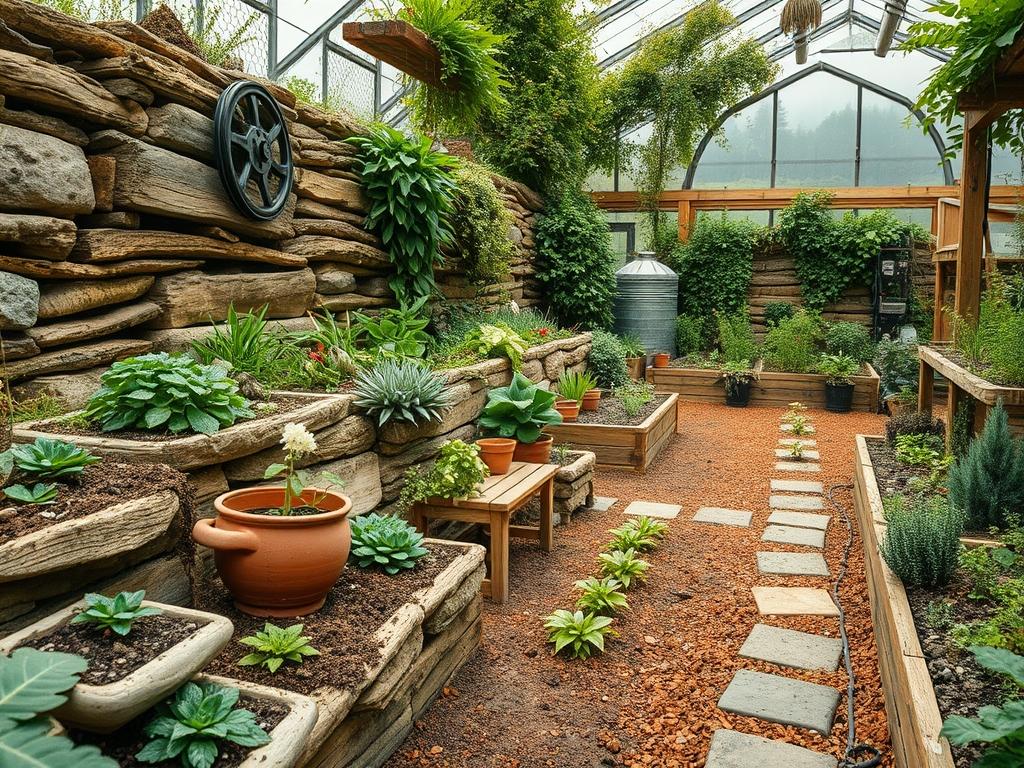
Sustainable landscaping demands more than aesthetic value; it requires functional resilience and a commitment to local ecology. Dry stone walls, an ancient construction technique, provide a sophisticated solution for modern sites where water runoff might otherwise lead to nutrient depletion or soil erosion. These structures offer a unique opportunity to blend structural engineering with vertical gardening, transforming a simple retaining element into a thriving vertical ecosystem. By utilizing the natural gaps between stones, a designer can cultivate a variety of culinary herbs and provide essential niches for beneficial wildlife. This approach creates a thermal mass that regulates temperatures for sensitive plants while ensuring that the landscape remains permeable and adaptable to changing weather patterns.
Beyond the baseline utility of soil retention, dry stone wall gardening elevates the architectural profile of a property. It introduces texture and permanent structure that persists even through the dormant winter months. For homeowners looking to maximize outdoor living square footage, these walls serve as multi-functional features: they act as seating, define garden rooms, and provide a convenient, waist-high harvesting area for the home cook. When planned with precision, a dry stone wall becomes a living organism that matures over decades, gaining character and ecological complexity as the stone weathers and the plant roots reach deep into the cool crevices.
Landscape Design Principles
Successful dry stone walling relies on a balance between geological stability and visual rhythm. As a consultant, I look for ways to integrate the wall into the existing topography rather than forcing a rigid, linear boundary. Symmetry can be achieved through the clever use of materials, but often an asymmetrical, organic curve feels more grounded in a residential landscape. The primary goal is to create a focal point that draws the eye upward, using the wall as a pedestal for high-contrast foliage and cascading herbs.
Elevation layers are critical for managing large-scale grade changes. Instead of building one massive wall, which can feel oppressive and industrially heavy, experienced architects recommend terracing with two or more smaller walls. This creates deep planting pockets and reduces the structural load on any single point. Visual balance is maintained by selecting stones that reflect the local geology; using native materials ensures the structure feels like a natural outcropping. Walkways should be designed to follow the curve of the wall, using stepping stones to invite exploration while keeping foot traffic away from sensitive root zones within the wall itself.
Irrigation planning within a dry stone structure is fundamentally different from traditional garden beds. Stone is a thermal conductor, and air circulates freely through the joints, which can lead to rapid drying in high-summer heat. Strategic placement of drip irrigation pipes behind the first layer of stone allows water to seep directly into the root zones without causing surface erosion. The design must account for the fact that the top of the wall will be drier and hotter than the base. Therefore, drought-tolerant species occupy the upper elevations, while moisture-loving habitat plants thrive at the foundation where water naturally collects.
Plant and Material Selection
| Plant Type | Sun Exposure | Soil Needs | Water Demand | Growth Speed | Maintenance Level |
| :— | :— | :— | :— | :— | :— |
| Creeping Thyme | Full Sun | Gritty, Alkaline | Low | Fast | Low |
| Rosemary | Full Sun | Sandy, Sharp Drainage | Low | Moderate | Medium |
| Stonecrop Sedum | Full Sun | Poor, Rocky | Very Low | Slow | Very Low |
| Winter Savory | Full Sun | Lean, Well-drained | Low | Moderate | Medium |
| Greek Oregano | Full/Partial | Richer Loam | Medium | Fast | High |
| Rock Cress | Full Sun | Gritty, Neutral | Medium | Moderate | Low |
| Wild Strawberry | Partial Shade | Humus-rich | Medium | Fast | Medium |
| Larkspur | Full Sun | Deep, Loose Soil | Medium | Moderate | Medium |
The selection of sandstone, limestone, or granite determines the pH levels of the runoff, which in turn influences which herbs will thrive. For instance, limestone provides a slightly alkaline environment perfect for lavender and marjoram. The physical dimensions of the stone are also vital; you need a mix of “hearts” (small filling stones) and “through stones” (long stones that span the width of the wall) to ensure structural integrity.
Implementation Strategy
The construction of a dry stone wall begins long before the first stone is placed. Proper grading is required to ensure that the ground slopes away from the foundation of the home. I recommend digging a trench that is at least 12 inches wide and 6 inches deep for a wall that stands 2 feet high. This trench should be filled with compacted crushed stone to prevent the wall from shifting during freeze-thaw cycles. Do not use rounded river rocks for the foundation; angular gravel provides the friction necessary to lock the structure in place.
As you build, the wall must incorporate a “batter,” which is a slight inward lean toward the slope it is retaining. A standard ratio should be 1 inch of lean for every 6 inches of height. This gravitational pull keeps the stones pressed against the soil and prevents the wall from bowing outward under pressure. For habitat creation, leave occasional 2-inch gaps between stones. These voids should be filled with a mixture of topsoil and compost to support the roots of creeping phlox or dwarf succulents.
Edging at the top of the wall should consist of heavy “capstones” that protect the internal structure from heavy rain. Behind the stones, a layer of landscape fabric and a 4-inch column of pea gravel act as a vertical drain. This prevents the soil from clogging the air gaps between the stones, ensuring that the wall remains permeable. Once the structure is complete, apply a 2-inch layer of organic mulch to the top terrace to retain moisture for the herbs.
Common Landscaping Failures
The most frequent error in dry stone construction is the introduction of mortar or cement into a “dry” design. Mortar prevents the wall from flexing with the earth, leading to cracks and catastrophic collapse. When moisture gets trapped behind a mortared wall, the hydrostatic pressure can exceed several thousand pounds per square foot, eventually pushing the wall over. A true dry stone wall breathes, allowing water to pass through without causing structural stress.
Root overcrowding is another common setback. In the excitement of planting, many gardeners fill every single crevice. As plants like rosemary or sage mature, their woody roots can actually expand with enough force to dislodge smaller stones. Proper spacing is essential; you must research the mature root spread of each species before tucking it into a joint. Additionally, soil compaction behind the wall can hinder drainage. If the backfill is too dense, water will pool, leading to root rot in your culinary herbs and potentially destabilizing the crushed stone foundation.
Irrigation inefficiencies often occur when designers treat the wall like a flat garden bed. Overhead watering is largely ineffective for a vertical stone wall because the leaves and the stones themselves act as umbrellas, shedding water away from the root pockets. If you rely on traditional sprinklers, the plants tucked into the face of the wall will likely desiccate. A dedicated, subsurface drip line is the only professional way to ensure long-term health for a vertical herb garden.
Seasonal Maintenance
Spring maintenance involves inspecting the wall for any shifts caused by winter frost. Use a rubber mallet to gently tap any protruding stones back into place. This is also the time to prune back woody herbs like lavender and thyme to encourage fresh, green growth for the coming kitchen season. Clear out any dead leaves or debris from the habitat gaps to ensure that nesting insects have a clean environment.
Summer care focuses on hydration and harvest. During periods of extreme heat, even drought-tolerant herbs in a stone wall may need a deep soak once a week. Because the stones retain heat, they can extend the growing season into the evening hours, but they also accelerate evaporation. Regular harvesting of herbs like oregano and chives prevents them from going to seed, which keeps the foliage tender and the growth compact.
Autumn is the season for structural reinforcement and winterization. Check the drainage zones at the base of the wall to ensure they are not blocked by fallen leaves. If you have any gaps where soil has washed out, refill them with a mixture of clay and compost to insulate the roots of perennial herbs. In winter, avoid using salt or chemical deicers near the wall, as these can leach into the stone crevices and kill your plants or even cause the stones to flake and degrade.
Professional Landscaping FAQ
How deep should the foundation of a stone wall be?
For residential walls under 3 feet tall, a foundation of 6 to 10 inches of compacted gravel is usually sufficient. This depth prevents the stones from sinking into the soil and helps manage the pressures of ground frost throughout the year.
Which herbs are most successful in stone crevices?
Creeping Thyme, Winter Savory, and Stonecrop are ideal because they require very little soil and thrive in the well-drained, high-heat environment of a stone face. Their root systems are fibrous rather than woody, which protects the structural integrity of the wall.
Can I build a dry stone wall on a steep slope?
Yes, but it requires terracing. Instead of one tall wall, build a series of smaller walls spaced 3 to 5 feet apart. This distributes the weight of the slope and creates level planting areas that are much easier to maintain.
How do I prevent my wall from falling over?
Ensure you utilize a proper “batter,” leaning the wall back toward the slope. Always place stones “one over two, two over one” so that the vertical seams never align, and use “through stones” every 3 feet to tie the wall together.
Is a dry stone wall good for local wildlife?
Absolutely. The small, dry cavities offer nesting sites for solitary bees and shelter for beneficial predators like spiders and lizards. By planting native species in the gaps, you provide a consistent food source for pollinators within a protected structural environment.