
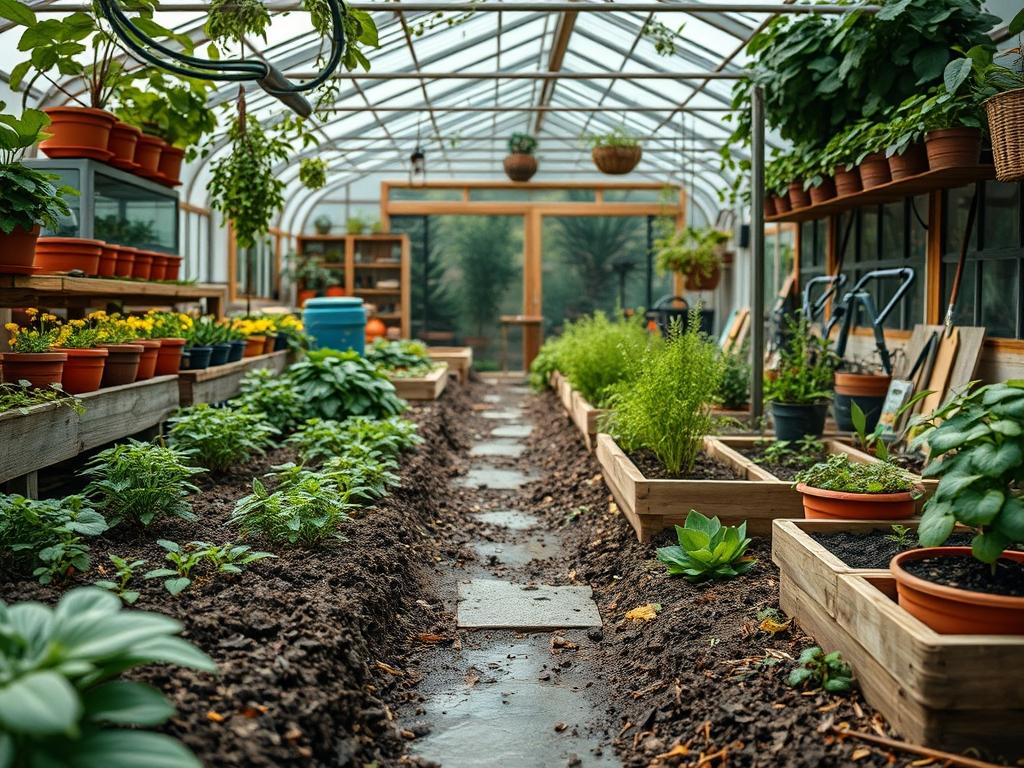
Maintaining a pristine landscape requires a sophisticated understanding of the local ecosystem, especially when managing soft-bodied mollusks that threaten the structural integrity of your foliage. Natural slug management is not merely a task for the weekend gardener; it is a critical component of professional estate management that preserves curb appeal and protects significant investments in specimen plants. When slugs infiltrate a high-end landscape, they do more than just nibble on leaves. They create unsightly slime trails on premium bluestone pavers, introduce pathogens to vulnerable root systems, and can strip a newly installed boxwood border in a single damp night. A successful architect views the garden as a series of microclimates where moisture, light, and airflow are manipulated to discourage pests while promoting lush, healthy growth. By focusing on cultural controls and physical barriers, we can achieve a pest-resistant environment without the use of harsh synthetic chemicals that might disrupt the delicate soil chemistry or harm local pollinators.
Landscape Design Principles
Effective natural slug management begins at the drafting table long before the first spade enters the ground. Symmetry and balance are the hallmarks of professional design, but they must be reconciled with the biological realities of the site. A common mistake is creating “slug highways” by planting dense, overlapping foliage that stays damp 24 hours a day. To counter this, we implement the principle of elevation layers. By using retaining walls constructed from natural limestone or granite, we can elevate susceptible species like Hostas or Delphiniums away from the cool, damp ground level where slugs thrive. This elevation also assists with drainage, ensuring that the root zone remains oxygenated and the surface dries quickly after a rain event.
Focal points should be chosen with resilience in mind. If a central feature involves a water element, such as a tiered stone fountain, the transition zones between the water and the surrounding turf must be carefully managed. We recommend a “dry perimeter” of crushed volcanic rock or sharp river sand around water features. This provides a tactile deterrent for gastropods while maintaining an elegant, finished look. Walkways also play a vital role. Using wide, sunny paths made of travertine or permeable pavers acts as a thermal barrier. Slugs are nocturnal and highly sensitive to heat and desiccation; a wide, sun-baked path is a formidable obstacle that separates their hiding spots from your prized ornamental beds. Irrigation planning is the final pillar of design. Modern systems should prioritize drip irrigation lines buried beneath 3 inches of organic mulch. This delivers water directly to the roots, keeping the surface mulch dry and inhospitable to slugs.
Plant and Material Selection
Selecting the right materials and cultivars is the most cost-effective way to reduce long-term maintenance burdens. Most slugs prefer thin-leaved, succulents, or water-heavy plants. By integrating varieties with thick, waxy, or hairy leaves, you create a natural repellent system.
| Plant Type | Sun Exposure | Soil Needs | Water Demand | Growth Speed | Maintenance Level |
| :— | :— | :— | :— | :— | :— |
| Lavandula angustifolia | Full Sun | Well-drained, lean | Low | Moderate | Low |
| Helleborus orientalis | Partial Shade | Humus-rich | Medium | Slow | Low |
| Fern (Polystichum) | Shade | Moist, loamy | Medium-High | Moderate | Medium |
| Euphorbia | Full/Part Sun | Any, well-drained | Low | Fast | Very Low |
| Nepeta (Catmint) | Full Sun | Average | Low-Medium | Fast | Low |
| Alchemilla mollis | Part Shade | Moist | Medium | Moderate | Medium |
Implementation Strategy
The successful layout of a slug-resistant garden requires a methodical approach to site preparation. First, address the grading. Any areas where water pools for more than two hours after a storm are primary breeding grounds. We use a laser level to ensure a minimum 2 percent slope away from the home foundation and ornamental beds. If the topography is naturally flat, we install French drains or dry wells wrapped in geotextile fabric to carry excess moisture away from the site.
Next, focus on edging and mulch. A clean edge is a functional edge. We recommend installing 4 inch deep metal edging made of weathering steel or aluminum. This prevents the encroachment of turf grass, which provides cover for slugs. When applying mulch, the material choice is critical. While fine-shredded hardwood mulch is popular for its dark color, it retains significant moisture. For high-risk areas, we prefer pine bark nuggets or cocoa shell mulch. The irregular textures and faster drying times of these materials make them less attractive to pests.
For high-value specimen plants, consider a concealed barrier. Copper flashing or copper tape with a minimum width of 2 inches can be applied to the interior of planters or the base of raised garden beds. When a slug attempts to cross the copper, a minute electrochemical reaction occurs, delivering a sensation that causes the creature to retreat. This is an invisible, permanent solution that integrates perfectly into structural hardscaping.
Common Landscaping Failures
The most frequent failure we observe in established landscapes is the “mulch volcano.” This occurs when workers pile mulch high against the trunk of a tree or the base of a shrub. This practice creates a dark, moist cavity that is a literal nursery for slugs and snails, while simultaneously promoting rot in the plant’s bark. Mulch should always be kept 2 to 3 inches away from any woody stems.
Another common mistake involves irrigation timing. Running a sprinkler system in the evening is the equivalent of laying out a red carpet for slugs. The foliage and soil remain damp all night, which is exactly when these pests are most active. Professional landscapes should be irrigated between 4 AM and 8 AM. This allows the rising sun to evaporate surface moisture while the roots take what they need for the heat of the day.
Finally, soil compaction often goes overlooked. In heavy clay soils, compaction prevents water infiltration, leading to a perpetually muddy surface. We use core aerators twice a year on turf and incorporate perlite or fine gravel into planting beds to maintain air macro-pores. A well-aerated soil dries from the top down, forcing slugs to migrate elsewhere in search of moisture.
Seasonal Maintenance
Landscape management is a year-round commitment. In the spring, the focus is on debris removal. Slugs lay eggs in the leaf litter left over from winter; cleaning out the “duff” from the base of perennials like Daylilies or Peonies significantly reduces the first generation of pests. This is also the time to apply nematodes (Phasmarhabditis hermaphrodita), which are microscopic organisms that hunt slugs underground.
During the summer, vigilantly monitor “trap crops.” Planting a small patch of Marigolds in an inconspicuous area can draw slugs away from your main garden. Once they congregate there, they can be removed manually or treated locally. Autumn is the time for structural pruning. Lifting the “skirts” of low-growing shrubs to ensure there is at least 4 inches of clearance between the lowest branch and the soil improves airflow and removes the cool shade slugs enjoy.
In winter, the goal is to eliminate overwintering sites. Turn the top 2 inches of soil in vegetable patches or annual beds using a hand fork to expose slug eggs to the freezing air and predators like birds. Ensure that all decorative pots are lifted off the ground using pot feet or bricks to prevent a moist vacuum from forming beneath them.
Professional Landscaping FAQ
How does copper tape actually stop slugs?
Slugs receive a tiny electric shock when their slime reacts with the copper. It acts as a non-lethal, physical deterrent. For maximum effectiveness, the copper must be at least two inches wide and kept clean of debris and oxidation.
Which mulch is best for preventing slug infestations?
Utilize cedar bark or pine needles for their natural oils and sharp textures. Avoid excessively fine wood chips, which hold water. For a modern aesthetic, small lava rocks or crushed slate provide an excellent, dry barrier that slugs cannot easily cross.
Can irrigation systems assist with slug control?
Yes. Switching to low-flow drip emitters reduces surface moisture significantly compared to overhead sprayers. By targeting only the root zone, you leave the rest of the landscape dry, effectively dehydrating crawling pests before they can reach your ornamental plants.
Are there specific birds that help with natural management?
Attracting thrushes, blackbirds, and starlings provides biological control. Installing a stone birdbath and providing nesting sites encourages these predators to patrol your garden. They are highly efficient at finding slugs hidden beneath foliage during the early morning hours.
Is coffee ground application safe for all plants?
Used coffee grounds are excellent for acid-loving plants like Azaleas or Blueberries. The abrasive texture and caffeine content act as a deterrent. However, use them sparingly around lime-loving species, as they can slightly lower the soil pH over time.