
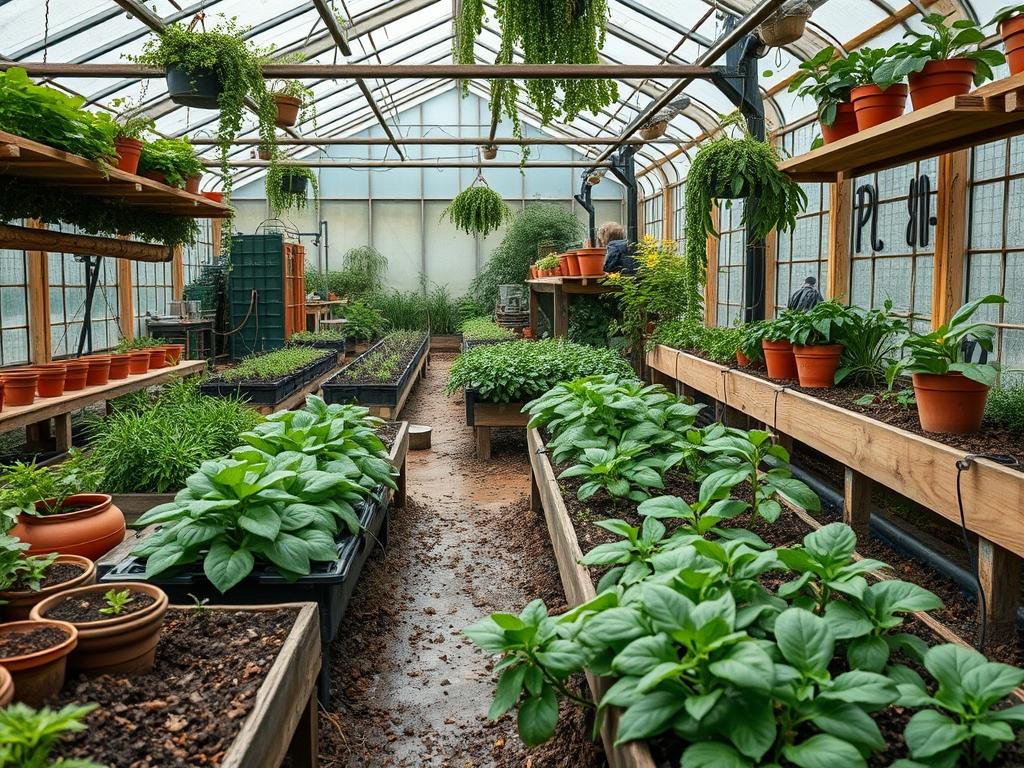
The integration of productive landscapes into high end residential design marks a significant shift in modern outdoor environmental planning. While traditional landscaping focused almost exclusively on visual symmetry and ornamental species, the contemporary consultant must now address the growing demand for functional sustainability. Protecting Heirloom Strains is no longer just the concern of specialized farmers or rural homesteaders; it is becoming a core pillar of urban and suburban landscape architecture. These genetically diverse plants offer more than just historical interest. They provide the biological resilience necessary to withstand changing climate patterns and pests that often devastate standardized hybrid monocultures. By incorporating these varieties into a professional landscape plan, property owners contribute to regional food security while maintaining a sophisticated aesthetic. The challenge lies in harmonizing the often unruly growth habits of heirloom species with the clean lines and structured elements required for premium curb appeal.
Successful garden planning for heirloom preservation requires a deep understanding of site specific conditions. This involves more than just selecting a sun drenched corner for a vegetable patch. It demands a holistic approach where edible or productive plants are woven into the very fabric of the estate. A master plan might use heirloom fruit trees as structural canopies or antique roses as hedge borders, ensuring that every square foot of the property serves a purpose. This strategic placement ensures that the genetic legacy of these plants is maintained in an environment where they can thrive. As we see a decrease in global crop diversity, the private landscape becomes a vital sanctuary for varieties that would otherwise fall into extinction. Protecting Heirloom Strains through thoughtful architectural design ensures that we maintain the flavors, nutritional profiles, and hardy characteristics necessary for a robust local food infrastructure.
LANDSCAPE DESIGN PRINCIPLES
Achieving a balance between a productive estate and a polished outdoor environment requires adherence to foundational design principles. Symmetry is a powerful tool in this context. By framing a collection of heirloom tomatoes or pole beans with structured boxwood hedges or gravel pathways, the landscape architect creates a sense of intentionality. This prevents the productive areas from appearing messy or neglected. Visual balance is further maintained by grouping plants with similar leaf textures and growth habits. For example, the silvery foliage of heirloom artichokes can be used as a striking focal point against the dark greens of traditional evergreens.
Elevation layers are equally critical. A professional layout considers the transition from low lying ground covers to mid level shrubs and finally to the overarching canopy. Integrating heirloom berry bushes into the mid level layer provides a seasonal harvest while contributing to the property’s privacy screening. Irrigation planning must be addressed during the initial design phase, particularly for heritage varieties that may have different water requirements than modern hybrids. Utilizing a subsurface drip irrigation system ensures that moisture reaches the root zone efficiently without promoting foliar diseases to which some heirlooms are susceptible. Furthermore, the inclusion of clear walkways using permeable pavers or crushed slate allows for easy maintenance and harvest access, while also defining the different functional zones of the garden.
PLANT AND MATERIAL SELECTION
Selecting the right materials and species is the most technical aspect of the landscape plan. The following table outlines several heirloom varieties that excel in a managed landscape setting, providing both beauty and long term security.
| Plant Type | Sun Exposure | Soil Needs | Water Demand | Growth Speed | Maintenance Level |
| :— | :— | :— | :— | :— | :— |
| Cherokee Purple Tomato | Full Sun | Well drained, Loamy | Moderate | Fast | High |
| Scarlet Runner Bean | Full Sun to Partial | Nitrogen Rich | High | Rapid | Moderate |
| Lacinato Kale | Full Sun to Partial | Rich Organic Matter | Moderate | Medium | Low |
| Brandywine Tomato | Full Sun | High Organic Content | Consistent | Fast | High |
| Aunt Ruby’s Green | Full Sun | Neutral pH | Moderate | Moderate | Moderate |
| Moon and Stars Melon | Full Sun | Sandy, Well drained | High | Medium | High |
| French Breakfast Radish | Full Sun to Partial | Loose, Well drained | Low | Very Fast | Low |
For hardscaping, the use of natural stone, weathered steel, and untreated cedar for raised beds is recommended. These materials age gracefully and do not leach harmful chemicals into the soil, which is a vital consideration when the goal is Protecting Heirloom Strains for consumption.
IMPLEMENTATION STRATEGY
The implementation of a professional heirloom landscape begins with proper site preparation. Grading is the first and most critical step. The land must be shaped to ensure that water moves away from building foundations while pooling slightly in designated bio retention areas or being directed toward irrigation cisterns. Once the grade is established, the installation of edging defines the boundaries between turf, walkways, and planting beds. Using a heavy duty steel edging or Belgian block provides a clean, permanent line that holds back aggressive ground covers.
Soil health is the second pillar of implementation. Because Protecting Heirloom Strains requires a nutrient rich environment, the existing soil must often be amended with vermicompost and mycorrhizal fungi. This ensures that the plants have the biological support needed to develop deep, robust root systems. When planting, the application of mulch is essential. A 3-inch layer of organic cedar mulch or pine straw helps regulate soil temperature and moisture levels. For high density planting areas, the use of laser leveled raised beds allows for precise control over the growing medium and drainage, which is particularly useful in regions with heavy clay or compacted soils.
COMMON LANDSCAPING FAILURES
One of the most frequent mistakes in garden planning is inadequate drainage. Even the heartiest heirloom varieties will succumb to root rot if subterranean water becomes stagnant. This is often caused by a failure to account for the soil’s percolation rate during the design phase. Another common failure is root overcrowding. Landscape architects must plan for the “mature size” of the plant, not its size at the time of installation. When plants are spaced too closely, airflow is restricted, which leads to the rapid spread of fungal pathogens.
Soil compaction is another overlooked issue, particularly after heavy construction or hardscaping installation. Compacted soil lacks the pore space necessary for oxygen and water to reach the roots, effectively suffocating the plants. Furthermore, inefficient irrigation setups, such as overhead sprinklers that wet the foliage of sensitive species, can lead to the loss of an entire season’s crop. Finally, many property owners fail to provide adequate structural support for heavy fruiting heirloom varieties. Without heavy gauge cattle panels or custom trellises, large plants may collapse under their own weight during the peak of the growing season.
SEASONAL MAINTENANCE
A sophisticated landscape requires a year round management strategy. In the Spring, the focus is on soil preparation and the transition from cold hardy crops to warm season heirlooms. This involves testing soil pH and adding necessary amendments like bone meal or greensand. As the weather warms into Summer, the priority shifts to irrigation management and pest monitoring. Because Protecting Heirloom Strains often means avoiding synthetic pesticides, the use of beneficial insects and neem oil becomes necessary.
Autumn is the season for seed saving and soil rejuvenation. This is when the most successful plants are identified, and their seeds are harvested for the following year. The beds should be cleared of spent foliage to prevent disease from overwintering. Finally, in Winter, the landscape is put to rest. Application of a thick layer of winter mulch protects the root systems of perennials. This is also the time for structural pruning of fruit trees and the maintenance of hardscape elements like retaining walls and irrigation controllers. Proper winterization ensures that the landscape is ready to perform again as soon as the ground thaws.
PROFESSIONAL LANDSCAPING FAQ
Why are heirloom strains preferred over modern hybrids for food security?
Heirloom strains possess greater genetic diversity, allowing them to adapt to local environmental stressors over generations. This resilience ensures a more stable and reliable food source compared to uniform hybrids that may fail simultaneously under specific conditions.
How does proper drainage improve the health of heritage plants?
Effective drainage prevents waterlogging, which can lead to anaerobic soil conditions and root pathogens. By ensuring water moves through the soil profile efficiently, plants can access the oxygen and nutrients required for vigorous, healthy growth.
What is the ideal mulch depth for a productive landscape?
A depth of 3 inches is generally recommended for most planting beds. This thickness is sufficient to suppress weed growth and retain moisture without preventing oxygen exchange or creating a habitat for harmful rodents and gastropods.
How can I integrate edibles without ruining my home’s curb appeal?
Utilize formal design techniques such as hedging, symmetrical layouts, and high quality hardscaping. By treating heirloom plants as structural elements within a traditional landscape framework, you can achieve both productivity and a high end aesthetic.
What role does soil compaction play in garden failure?
Compacted soil restricts root penetration and reduces the availability of air and water in the rhizosphere. This led to stunted growth and increased susceptibility to disease, making it nearly impossible for delicate heirloom strains to thrive.