
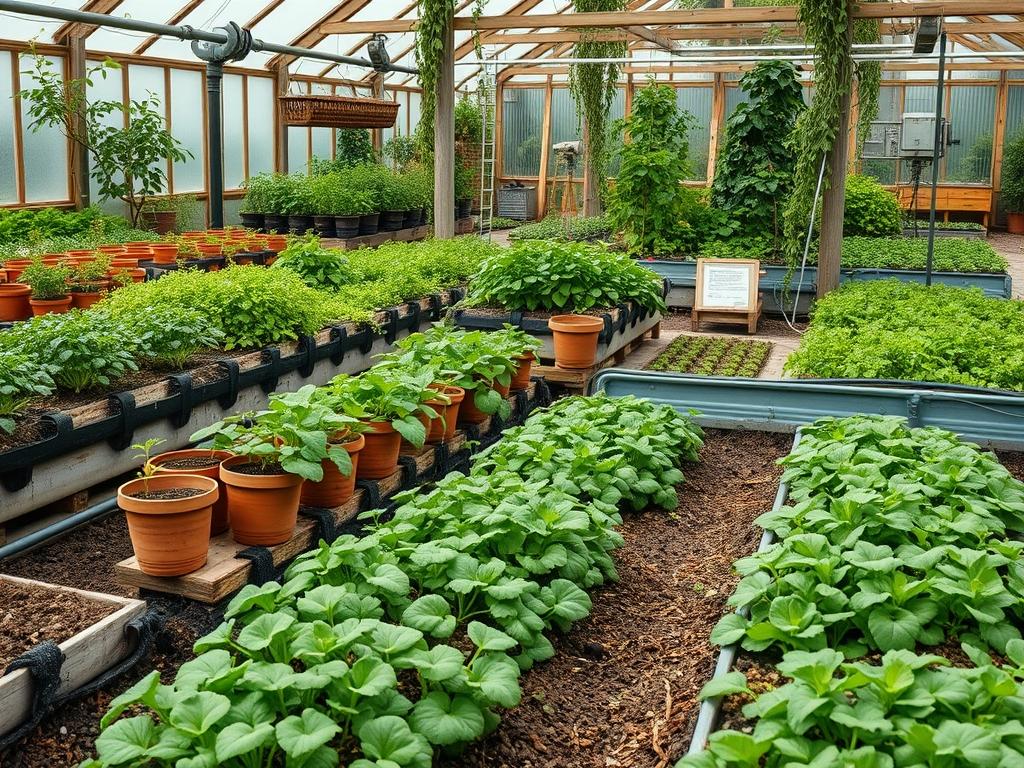
Modern landscape architecture often faces a silent crisis that aesthetic design alone cannot solve. While we focus on symmetry, elevation layers, and the high-end finishes of retaining walls and pavers, the biological engine of the outdoor environment often remains neglected. Using Green Manures represents a fundamental shift from treating the soil as a mere structural medium to treating it as a living, respiratory organ of the site. When a developer clears a lot, they frequently strip the topsoil, leaving behind compacted subsoil that lacks the microbial diversity necessary for long-term plant health. This deficiency leads to stagnant growth, high irrigation demands, and the eventual failure of expensive specimen plants. By incorporating green manures, also known as cover crops, we can regenerate the site’s natural fertility. This approach is the purest form of fertilizing because it leverages solar energy and atmospheric nitrogen to build topsoil from within, rather than relying on synthetic, salt-based inputs that eventually degrade the soil’s structure and leach into the local watershed.
The integration of green manures into a professional landscape plan serves multiple functional goals. Beyond simple nutrient delivery, these crops act as living mulch, protecting the ground from the erosive forces of wind and heavy rain. From a curb appeal perspective, a site undergoing transition looks significantly more intentional and maintained when covered in a lush carpet of Crimson Clover or Buckwheat than it does when left as an expanse of brown mud or patchy weeds. This practice also addresses the critical challenge of soil compaction. In high-traffic residential or commercial projects, the heavy machinery used for grading and hardscaping crushes the pore spaces in the soil. Certain green manures, such as the Forage Radish, possess aggressive taproots that function as biological drills. These roots penetrate deep into the subsoil, creating channels for air and water to reach the root zones of future ornamental plantings.
Landscape Design Principles
Successful landscaping relies on the marriage of form and function; Using Green Manures fits perfectly into the principle of foundational health. Before we establish the focal points of a garden, such as a Japanese Maple or a formal Boxwood hedge, the site must be prepared to support that life. We utilize green manures to establish a sense of visual balance during the fallow periods of a project. If a client is phased in their implementation, these crops provide a clean, green aesthetic that manages expectations and demonstrates professional site stewardship.
When planning the layout, consider the elevation layers of the garden. While the final design may involve tiered retaining walls, the early stages demand that we prevent soil slumping and nutrient runoff. Green manures stabilize the slope, acting as a biological anchor. This stabilization is crucial for maintaining the integrity of planned walkways and irrigation lines. Furthermore, the use of N-fixing crops like Hairy Vetch or Peas creates a natural reservoir of nitrogen in the soil, which enhances the vibrancy and leaf density of the permanent shrubs planted afterward. This eliminates the need for aggressive chemical fertilization schedules that can cause “leggy” growth and invite pests. Symmetry in a garden is not just about the placement of plants, it is also about the uniform health of the soil across the entire horizontal plane of the property.
Plant and Material Selection
Selecting the right green manure requires an understanding of the site’s specific limitations. A site with heavy clay requires a different biological intervention than a site with sandy, fast-draining soil. The following table outlines the most effective species used in professional landscape restoration.
| Plant Type | Sun Exposure | Soil Needs | Water Demand | Growth Speed | Maintenance Level |
| :— | :— | :— | :— | :— | :— |
| Crimson Clover | Full Sun/Part Shade | Loamy, Well-drained | Moderate | Fast | Medium |
| Winter Rye | Full Sun to Shade | Adaptable/Poor soil | Low | Rapid | Low |
| Hairy Vetch | Full Sun | Sandy to Clay | Moderate | Medium | High |
| Buckwheat | Full Sun | Low Fertility | Low | Very Fast | Low |
| Forage Radish | Full Sun | Compacted/Heavy | Moderate | Rapid | Medium |
| Austrian Winter Pea | Part Sun to Sun | Moist/Rich | Moderate | Medium | Medium |
Choosing materials also involves the tools of incorporation. For a professional finish, you will need a broadcast seeder, a garden rake for seed-to-soil contact, and a flail mower or string trimmer for the termination phase. The choice of seed should favor non-invasive and non-persistent varieties to ensure they do not compete with your primary landscape design in subsequent seasons.
Implementation Strategy
The process begins with thorough site preparation. After the primary grading is complete, the soil surface should be lightly scarified. Using a broadcast seeder, distribute the chosen green manure seeds at the recommended density, typically measured in pounds per 1,000 square feet. For instance, Winter Rye is usually applied at 2 to 3 pounds per 1,000 square feet to ensure a dense, protective mat. Once sown, the area should be lightly raked to ensure the seeds are covered by at least 0.25 inches of soil, protecting them from birds and desiccation.
Irrigation planning is essential during the germination phase. The site should be kept consistently moist for the first 10 to 14 days. Once established, green manures are remarkably resilient. The strategy shifts as the crop reaches its peak biomass, usually just before the flowering stage. At this point, the “green” must be returned to the soil. In a residential backyard setting, this involves mowing the crop and then lightly tilling the residue into the top 4 to 6 inches of soil. Alternatively, a “no-dig” approach uses a crimper to flatten the crop, creating a thick organic mulch layer that suppresses weeds. This organic matter breaks down over 3 to 4 weeks, during which time it feeds the soil’s microbial population and improves the cation exchange capacity. This timeline must be factored into the overall project schedule to ensure the soil is settled and nutrient-ready before the final installation of sod or perennials.
Common Landscaping Failures
The most frequent mistake in land management is the reliance on quick-fix chemical fertilizers that offer no structural benefit to the soil. Over time, this leads to soil compaction, where the earth becomes as hard as concrete, preventing oxygen from reaching plant roots. This lack of “breathability” is a primary cause of root rot and poor drainage. Furthermore, many contractors fail to account for the timing of organic matter decomposition. If you plant your primary landscape too soon after tilling in a heavy crop like Winter Rye, the decomposition process can temporarily tie up nitrogen, leaving your expensive new plants yellow and stunted.
Irrigation inefficiencies also plague the industry. Many systems are designed to water the surface, but without the organic matter provided by green manures, the water simply runs off the hard crust or pools in low spots, leading to drainage failures. Overcrowding is another issue; when soil is poor, designers often over-plant to compensate for slow growth, which eventually leads to a tangled, unmanageable mess as the plants compete for limited resources. Using Green Manures ensures that each plant has a nutrient-dense environment, allowing for proper spacing and a cleaner, more professional aesthetic.
Seasonal Maintenance
Managing a landscape with green manures requires a rhythmic understanding of the seasons. In the Spring, focus on the incorporation of overwintered crops. As soon as the soil is workable, mow and till any remaining biomass to prepare for the main planting season. This is the optimal time to assess the elevation and drainage of the beds, as the decaying organic matter will naturally improve the soil’s porosity.
During the Summer, fast-growing crops like Buckwheat can be used as “filler” in sections of the garden that are not yet landscaped. This prevents weed colonies from establishing and keeps the soil cool. In Autumn, the focus shifts to protection. Sowing a winter-hardy crop like Winter Rye or Hairy Vetch ensures that the soil is not left naked during the harsh months. This winter cover prevents the leaching of valuable nutrients by heavy snowmelt or autumn rains. In Winter, maintenance is minimal, as the green manure enters a dormant or slow-growth phase, acting as a biological blanket that stabilizes the grade and protects the subterranean irrigation components from extreme temperature fluctuations.
Professional Landscaping FAQ
How long must I wait to plant after tilling in green manure?
Typically, you should wait three to four weeks. This allows the green matter to break down and ensures that the microbial activity has stabilized. Planting too early can result in temporary nitrogen deficiency for your new ornamental species.
Can green manures help with poor site drainage?
Yes, specifically varieties like the Forage Radish. Their deep taproots break through compacted “plow pans” and create permanent channels for water infiltration. This process significantly improves the vertical movement of water throughout the landscape profile.
Does using green manure attract unwanted garden pests?
While they provide habitat for many insects, most are beneficial. Green manures like Crimson Clover attract pollinators and predatory insects that help control aphids and mites. Proper timing of the “mow-down” phase prevents most pest populations from becoming a problem.
Is green manure cost-effective for a standard residential lot?
It is one of the most cost-effective investments possible. The price of seed is a fraction of the cost of high-quality compost or synthetic fertilizers. It also reduces future costs associated with plant replacement and excessive water usage.
Can I use green manures in a garden with existing trees?
Certainly, but you must be careful not to disturb the root zones of established trees. In these areas, use the “chop and drop” method without tilling. This adds nutrients to the surface layer without damaging the tree’s structural or feeder roots.