
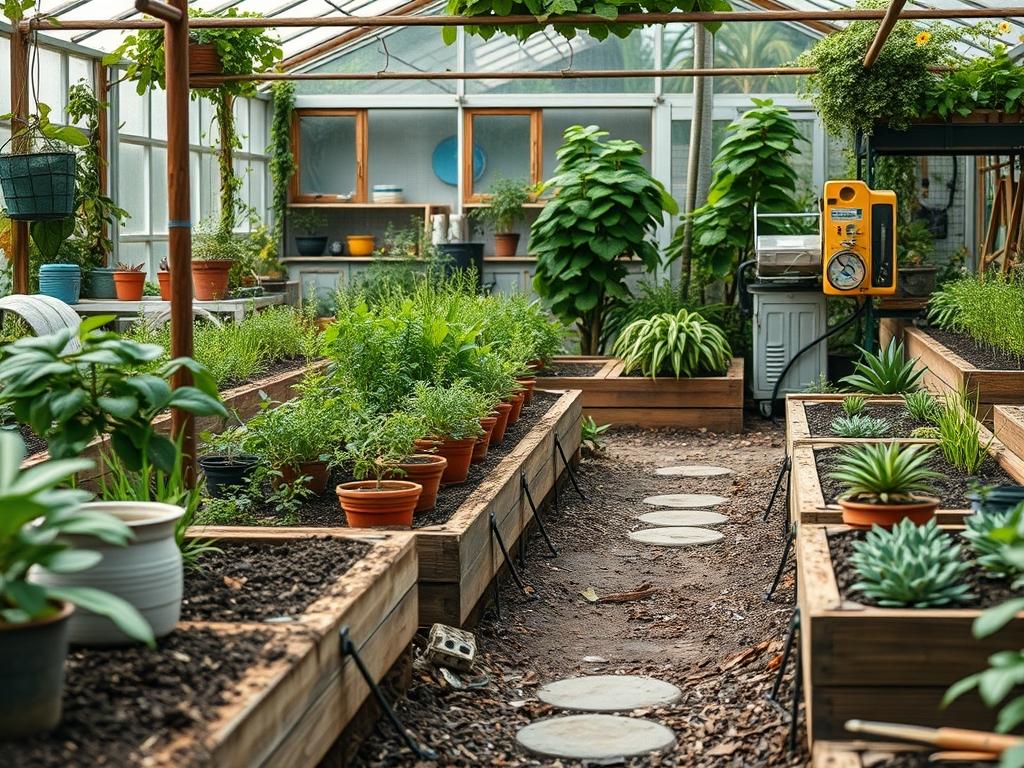
Rewilding your backyard is more than an aesthetic choice; it is a fundamental shift in how we conceive of human territory within the broader ecosystem. For decades, the standard for residential curb appeal was a manicured, monoculture lawn that required heavy chemical inputs and offered little to no habitat for local fauna. Today, high-end landscape architecture focuses on ecological restoration, where we blend the refined structure of traditional design with the chaotic beauty of a self-sustaining habitat. The primary challenge involves creating a space that looks intentional rather than neglected. By implementing strategic transitions between managed areas and wild zones, you can satisfy homeowners association requirements while providing a sanctuary for pollinators, birds, and beneficial insects. This approach considers regional climate vulnerabilities, ensuring the landscape remains resilient during periods of drought or extreme rainfall. A successful rewilding project improves outdoor functionality by creating cooling microclimates and reducing the long-term cost of maintenance, all while transforming a stagnant yard into a living, breathing environment.
Landscape Design Principles
Professional rewilding requires a balance between biological diversity and visual order. To achieve this, we utilize the principle of “cues to care,” which involves using structured elements like defined Walkways, Retaining Walls, and neat Edging to frame the wilder sections of the garden. Symmetry can be used near the home entrance to provide a sense of traditional welcome, while the periphery of the property transitions into asymmetrical, naturalistic groupings. Focal points are essential in a biodiverse yard to prevent the eye from becoming overwhelmed by texture. A large Specimen Tree or a stone Water Feature serves as an anchor, drawing the viewer’s attention and providing a sense of purpose to the layout.
Elevation layers are perhaps the most critical component of a biodiverse design. In a natural forest, you have the canopy, the understory, the shrub layer, and the ground cover. In a residential setting, we replicate this by planting Overstory Trees such as Oak or Maple, followed by smaller Serviceberry or Dogwood trees. Below these, we install a variety of perennial shrubs and grasses. This vertical layering maximizes the square footage of your habitat, offering different niches for different species. Irrigation planning must also be precise. While native plants are generally drought-tolerant once established, a Drip Irrigation System is necessary during the first two years of growth to ensure deep root penetration. We design these systems with smart controllers that adjust for local weather patterns, preventing water waste while protecting the initial investment.
Plant and Material Selection
| Plant Type | Sun Exposure | Soil Needs | Water Demand | Growth Speed | Maintenance Level |
| :— | :— | :— | :— | :— | :— |
| White Oak | Full Sun | Deep, Well-Drained | Moderate | Slow | Low |
| Switchgrass | Full to Part Sun | Adaptable/Sandy | Low | Fast | Minimal |
| Bee Balm | Full Sun | Rich, Moist | Moderate | Medium | Medium (Deadheading) |
| Wild Blue Indigo | Full Sun | Well-Drained | Low | Slow | Very Low |
| Elderberry | Part Shade | Moist/Loamy | High | Fast | Medium (Pruning) |
| Sedge | Shade | Moist/Clay | Medium | Medium | Low |
Implementation Strategy
The transition from a traditional lawn to a rewilded habitat begins with thorough site preparation. First, we address Grading to ensure that water moves away from the home foundation and toward designated rain gardens or bioswales. If the site has significant slopes, the installation of a Corten Steel or Natural Stone Retaining Wall can prevent erosion while creating planting pockets for native species. Existing turf is typically removed using a Sod Cutter, or smothered using a sheet mulching technique involving layers of cardboard and 3-inches of Arborist Chips.
Once the soil is prepared, we layout the Hardscaping elements. This includes Flagstone Paths or Decomposed Granite Walkways that allow humans to navigate the space without compacting the soil. After the skeleton of the garden is in place, we begin planting. High-density planting is a hallmark of rewilding; by spacing plants closely together, we allow them to form a living mulch that shades out weeds and retains moisture. We finalize the installation by applying a 3-inch layer of high-quality Hardwood Mulch or Leaf Mold to protect the microbial life in the soil. Drainage is managed through the use of French Drains in low-lying areas, which helps redirect excess runoff into the groundwater table rather than the municipal sewer system.
Common Landscaping Failures
One of the most frequent mistakes in residential rewilding is poor drainage management. When homeowners remove thirsty lawns and replace them with denser plantings, they often fail to account for how the new topography change affects water flow. Without proper Grading, water may pool near the root flares of trees, leading to root rot and fungal diseases. Another common failure is root overcrowding. While we want a “living mulch” effect, planting large Overstory Trees too close to Retaining Walls or power lines will lead to structural damage within a decade. It is vital to research the mature spread of every species before it is placed in the ground.
Soil compaction is a silent killer in many new landscapes. Heavy machinery used during construction can compress the soil so tightly that air and water cannot reach the roots. In these cases, we must use a Broadfork or Mechanical Aerator to restore soil structure before any planting begins. Lastly, irrigation inefficiencies often plague these projects. Many people assume that “native” means “no water.” In reality, the erratic climate patterns we see today mean that even the hardiest Native Plants may require supplemental hydration during record-breaking heatwaves to survive. Failing to install a backup Irrigation System can result in the loss of thousands of dollars in plant material.
Seasonal Maintenance
Seasonal care for a biodiverse backyard differs significantly from traditional yard work. In the Spring, maintenance focuses on light cleanup and soil health. Instead of removing all fallen leaves, we suggest leaving them in the beds to serve as a natural fertilizer. We use Pruning Shears to remove any dead or diseased wood from trees and shrubs before the sap begins to flow. This is also the ideal time to test soil pH and add organic amendments if necessary.
In the Summer, the priority shifts to weed management and hydration. Even a rewilded yard requires some weeding to prevent invasive species from outcompeting the natives. We monitor the Drip Irrigation sensors to ensure the system is delivering water directly to the root zones during the hottest hours of the day. Autumn is the season for planting and seed collection. We do not “put the garden to bed” by cutting everything back. Instead, we leave the dried flower heads and stalks of Perennials standing through the Winter. These stalks provide essential nesting sites for native bees and food for overwintering birds. Winter maintenance is minimal, consisting primarily of monitoring for heavy snow damage on brittle branches and planning for the following year’s growth.
Professional Landscaping FAQ
What is the best way to transition from a lawn to a wild garden?
The most effective method is sheet mulching. Layer recycled cardboard over the grass, soak it with water, and cover it with 3-inches of organic Mulch. This kills the turf without chemicals and builds rich soil for your new Native Plants.
Will a biodiverse backyard attract unwanted pests like ticks or rodents?
A balanced ecosystem actually reduces pest populations. By providing habitat for birds, toads, and predatory insects, you create a natural check on pests. Keeping Walkways mown or cleared ensures that humans have “tick-free” zones for navigating the property safely.
How much does a professional rewilding project typically cost?
Costs vary based on acreage and the complexity of Hardscaping like Retaining Walls. While initial installation of large Specimen Trees and Irrigation Systems can be an investment, you save significantly over time on fertilizers, pesticides, and weekly mowing services.
Are native plants messy compared to traditional ornamental species?
Native plants can look messy if they are not managed. The secret is to use “structural” plants like Grasses and Shrubs to hold the shape, and to keep edges neatly trimmed to signal that the garden is intentionally designed.
Can I rewild a small urban backyard?
Absolutely. In small spaces, we focus on verticality. Use Trellises for native vines and plant in high-density layers. Even a small patch of Milkweed or a single Serviceberry tree can provide a vital corridor for local wildlife in an urban heat island.