
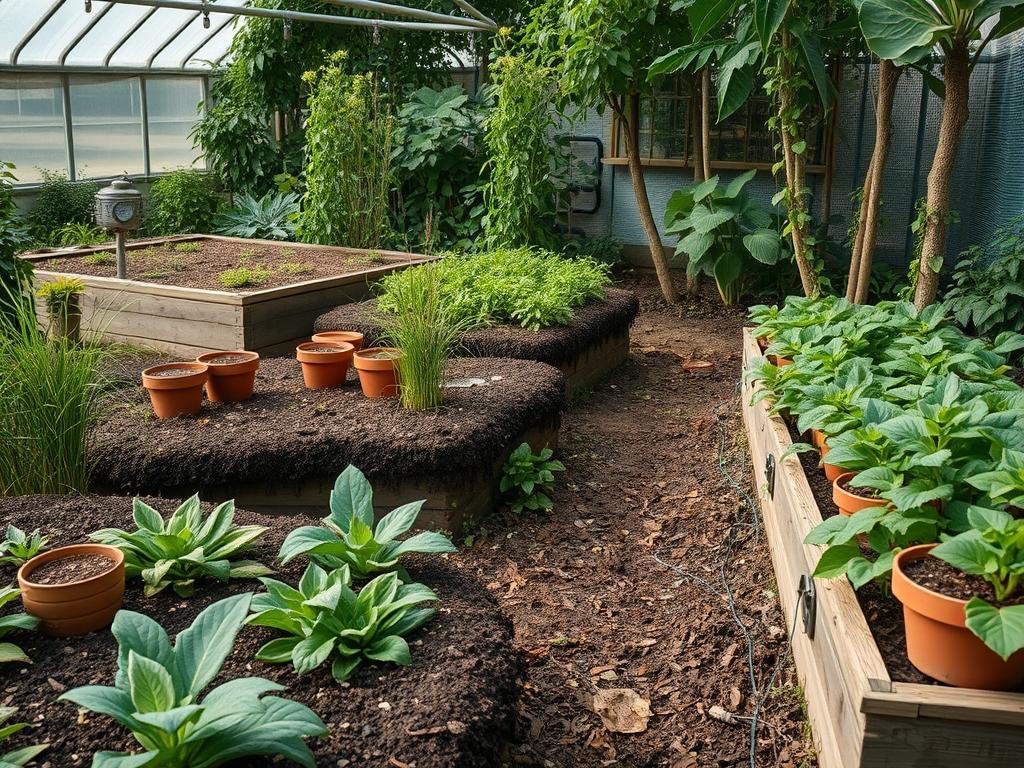
Landscape architects frequently encounter the challenge of managing surface runoff without sacrificing the visual integrity of a property. Stormwater management is no longer a hidden system of pipes and concrete; it has become an opportunity for ecological expression. Rain garden construction serves as a primary tool for mitigating erosion, reducing site saturation, and filtering pollutants before they reach local watersheds. By creating a shallow, strategic depression in the landscape, we can capture water from impervious surfaces like roofs and driveways. This functional feature recharges groundwater while providing a vibrant habitat for local flora and fauna. A successful garden must balance hydrological performance with curb appeal, ensuring that the installation feels like an intentional design choice rather than a drainage fix. Proper site analysis is the first step in this process, as we must account for soil infiltration rates, slope gradients, and the proximity of the garden to structural foundations.
Landscape Design Principles
The success of rain garden construction relies on an understanding of elevation layers and visual balance. Unlike traditional flower beds, a rain garden is a three dimensional bowl. The deepest part of the basin serves as the primary focal point during heavy rain events, while the sloping sides offer a transition to the surrounding lawn or hardscape. Symmetry in these environments is often achieved through the repetition of textures rather than rigid geometric patterns. For instance, using Ornamental Grasses along the perimeter can create a soft frame that stays attractive even when the basin is dry.
Elevation is the most critical design factor. The bottom of the rain garden must be level to ensure that water spreads evenly across the entire surface area rather than pooling in one corner. We typically aim for a ponding depth of 6 inches to 12 inches, depending on the soil type. If the depression is too deep, it may pose a safety risk or lead to prolonged standing water, which invites pests. If it is too shallow, the garden will not provide sufficient storage capacity for high volume storms. Footpaths and walkways made of permeable materials, such as Flagstone or Decomposed Granite, should be integrated around the garden to allow for maintenance access without compacting the sensitive soil within the basin.
Plant and Material Selection
Selecting the right biological components is essential for nutrient uptake and soil stability. We look for deep rooted native species that can tolerate “wet feet” for up to 48 hours but also survive the dry periods between storms. The following table outlines high performance selections for temperate climates.
| Plant Type | Sun Exposure | Soil Needs | Water Demand | Growth Speed | Maintenance Level |
|:—|:—|:—|:—|:—|:—|
| Swamp Milkweed | Full Sun | Moist/Clay | High | Medium | Low |
| Siberian Iris | Full/Partial | Loamy | Moderate | Fast | Medium |
| Blue Flag Iris | Full Sun | Wet/Boggy | High | Medium | Low |
| Little Bluestem | Full Sun | Well Drained | Low | Medium | Very Low |
| Elderberry | Full/Partial | Versatile | Moderate | Fast | Medium |
| Joe Pye Weed | Full Sun | Rich/Moist | High | Fast | Low |
| Cardinal Flower | Partial Shade | Humus Rich | High | Medium | Medium |
Implementation Strategy
The actual execution of rain garden construction begins with a percolation test to determine how quickly the ground absorbs water. Dig a hole 12 inches deep and fill it with water. If it drains within 24 hours, the site is suitable. If it takes longer, you may need to amend the soil with a mixture of 50 percent sand, 25 percent compost, and 25 percent topsoil to increase porosity.
Once the location is finalized, typically at least 10 feet away from a home foundation, use a Spade or Mini-Excavator to carve out the basin. The excavated soil should not be wasted. Instead, use it to create a Berm, which is a low, rounded mound on the downhill side of the garden that acts as a dam to hold the water in place. This berm should be compacted firmly and planted with stabilizing groundcovers to prevent it from washing away.
Grading is the next priority. Use a Landscaping Rake to ensure the floor of the garden is perfectly flat. If the garden is fed by a downspout, install a Rock Armored Swale or a PVC Pipe with a flared end to direct the water into the basin. This prevents the incoming force of the water from scouring the soil and uprooting new plants. Finish the installation with a 3 inch layer of Double Shredded Hardwood Mulch. Unlike pine bark, hardwood mulch is heavy and less likely to float away during a heavy downpour.
Common Landscaping Failures
The most frequent error in rain garden construction is soil compaction. If heavy machinery is driven over the basin during or after excavation, the pore spaces in the soil are crushed. This prevents the very drainage the garden was designed to facilitate. We often recommend working from the perimeter or using wooden planks to distribute weight if access to the center is necessary.
Another failure involves improper plant spacing. Overcrowding can lead to poor air circulation and fungal diseases, while spacing plants too far apart leaves the soil vulnerable to weed invasion and erosion. It is vital to research the mature spread of each species. For example, a Switchgrass specimen might only be 12 inches wide at the nursery, but it can reach a 3 foot diameter within two seasons.
Neglecting the overflow path is a common oversight. Every rain garden needs a designated exit point for storms that exceed its capacity. Without a clear, armored overflow channel, the water will find its own path, often eroding the berm or damaging nearby landscape features. This overflow should be lined with River Rock or Riprap to dissipate energy and prevent soil loss.
Seasonal Maintenance
Landscape management for a rain garden is most intensive during the first two years of establishment. In the Spring, the primary task is removing debris and dead foliage from the previous season. Check the inflow and outflow points for blockages such as leaves or trash. This is also the best time to replenish mulch and replace any plants that did not survive the winter.
During the Summer, focus on weed control. Because rain gardens are nutrient rich environments, weeds can quickly outcompete native seedlings. If a drought lasts longer than two weeks, supplemental irrigation may be required to keep the root systems of young plants from desiccating, even if they are drought tolerant species.
In Autumn, avoid the temptation to cut back all the perennial stalks immediately. Many native plants provide winter interest and seeds for birds. Instead, clear out any excessive leaf litter that could form a mat and smother the basin floor. In Winter, maintenance is minimal, though it is important to observe how snowmelt moves through the system. Ensure that salt from nearby driveways or walkways is not being funneled directly into the garden, as high salinity can be toxic to many rain garden species.
Professional Landscaping FAQ
How deep should a standard residential rain garden be?
A standard basin is typically between 6 and 12 inches deep. This depth allows for sufficient water storage without creating a stagnant pond or a safety hazard. The goal is for the water to dissipate within 24 to 48 hours.
Will a rain garden attract mosquitoes to my property?
No, a properly constructed rain garden will not. Mosquitoes require at least seven days of standing water to complete their life cycle. Because a rain garden is designed to drain within two days, it does not provide a suitable breeding ground.
Can I build a rain garden in a spot that is always wet?
Actually, no. A rain garden is meant to be a dry area that occasionally holds water. If a spot is constantly soggy, it usually indicates a high water table or heavy clay, which prevents the infiltration required for rain garden functionality.
What is the best type of mulch for a rain garden?
Use Double Shredded Hardwood Mulch. It is the most effective material because the jagged fibers interlock, creating a heavy mat that stays in place. Light materials like pine mini nuggets or wood chips will float and wash away.
Do I need an underdrain for my rain garden?
Underdrains are generally only necessary in areas with extremely poor soil infiltration or high density urban environments. In most residential applications, the goal is to encourage natural infiltration into the ground rather than piping the water elsewhere.