
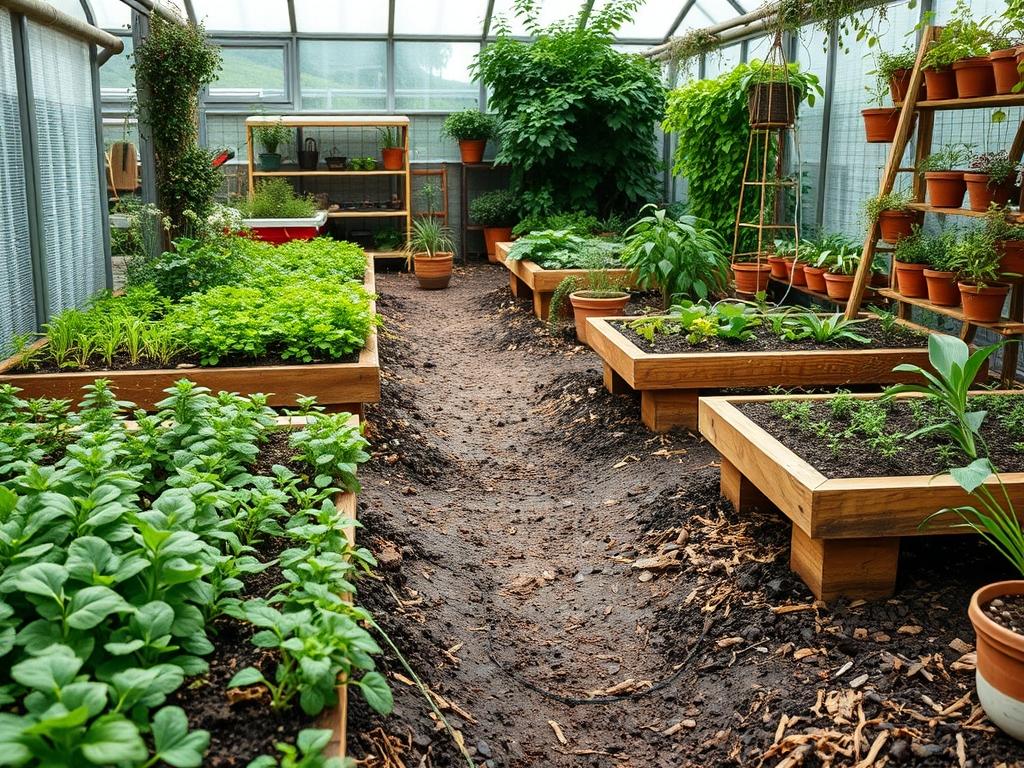
Every successful landscape begins with the fundamental concept of movement. Integrated pathways serve as the skeletal structure of a sustainable outdoor environment, dictating how a visitor interacts with the living elements of the garden. When we shift our focus toward natural path materials, we are choosing to honor the site’s original hydrology and ecological footprint. A low-impact landscape prioritizes permeability, allowing rainwater to recharge the local aquifer rather than contributing to municipal runoff. This technical approach to outdoor living requires a deep understanding of site-specific conditions, ranging from the soil’s percolation rate to the local microclimate. By selecting materials like Decomposed Granite, River Rock, or Natural Flagstone, a designer can marry aesthetic appeal with environmental stewardship, creating a functional transit route that feels organic rather than imposed.
Modern landscaping seeks to solve the tension between human utility and environmental preservation. For decades, the default for a clean walkway was poured concrete or asphalt, both of which are impervious and heat-retentive. These surfaces create heat islands and force water into storm drains, often carrying pollutants along the way. In contrast, a low-impact path utilizes a tiered system of aggregates and stabilizers to provide a firm walking surface that still breathes. This breathability is essential for the health of nearby Native Plants, as it prevents the soil from becoming anaerobic. When a path is designed with the right Slope, Drainage, and Texture, it becomes a permanent asset that increases curb appeal while lowering long-term maintenance costs.
Landscape Design Principles
Effective pathway design relies on the core tenets of spatial arrangement, specifically Symmetry, Focal Points, and Visual Balance. In a formal garden, a path might follow a rigid, symmetrical axis to create a sense of grandeur and order. However, in a low-impact or “wilder” landscape, we often employ organic curves that mimic natural topographical contours. This approach utilizes Elevation Layers to guide the eye toward specific Focal Points, such as a specimen Japanese Maple or a custom Retaining Wall. By varying the width of the path, we can influence the pace of the walker; wider sections encourage pausing and observation, while narrower segments suggest a direct route to a destination.
Irrigation Planning must be integrated into the path design from the earliest stages. It is a common mistake to lay a path and then realize that Drip Lines or Sprinkler Heads must traverse it. Ideally, PVC Sleeves should be installed 12 inches below the path’s sub-base during the initial grading phase. This allows for future flexibility in the Irrigation system without the need to tear up the hardscaping. Furthermore, the path itself can act as a subtle drainage channel. By grading the path with a 2 percent cross-slope, water is directed toward specialized rain gardens or bioswales rather than pooling against the home’s foundation or saturating the walkway.
Plant and Material Selection
Choosing the right materials requires balancing durability with the specific needs of the local flora. Below is a technical breakdown of common low-impact path materials and the “steppable” plants that often accompany them in a professional layout.
| Plant or Material Type | Sun Exposure | Soil Needs | Water Demand | Growth Speed | Maintenance Level |
| :— | :— | :— | :— | :— | :— |
| Broad-Leaf Thyme | Full Sun | Well-drained | Low | Moderate | Low |
| Decomposed Granite | Full Sun/Shade | Compacted Base | None | N/A | Moderate |
| Irish Moss | Part Shade | Moist/Rich | Medium-High | Slow | High |
| Pea Gravel | Full Sun/Shade | Stable Sub-grade | None | N/A | Low |
| Blue Star Creeper | Full/Part Sun | Loamy/Moist | Moderate | Fast | Moderate |
| Shredded Cedar Bark | Full Sun/Shade | Any | None | N/A | Low |
| Dwarf Mondo Grass | Part/Full Shade | Standard Garden | Moderate | Slow | Low |
Implementation Strategy
The transition from a design on paper to a physical walkway involves a rigorous sequence of site preparation and material layering. The first step in any backyard or garden layout is Grading. Using a Transit Level or a simple String Level, the installer must ensure the ground slopes away from structures at a rate of at least 1/4 inch per foot. After the path is excavated to a depth of 6 to 8 inches, the sub-grade should be compacted with a Plate Compactor to prevent future settling or “heaving” during frost cycles.
Next, a layer of high-quality Non-woven Geotextile Fabric is laid down. This serves as a barrier that prevents the mixing of the native soil with the expensive path aggregates while still allowing water to pass through freely. After the fabric is secured, a 3 inch layer of Crushed Limestone or Road Base is added and compacted. This creates the structural integrity of the path. For the top dressing, a 2 inch layer of the chosen natural material such as Pea Gravel or Decomposed Granite is spread. To keep the materials contained and maintain clean lines, Steel Edging or Treated Wood Edging is installed along the perimeter. Finally, applying a Polymeric Stabilizer to loose materials like granite can help reduce tracking and dust without sacrificing the permeability of the surface.
Common Landscaping Failures
One of the most frequent errors in path construction is the neglect of Bulk Density and soil compaction. If the base layers are not sufficiently packed, the path will eventually develop ruts and low spots where water will collect. This leads to Soil Compaction in the surrounding garden beds as users step off the path to avoid puddles, which in turn damages the root systems of Native Plants. Another common failure is Root Overcrowding. When paths are placed too close to large existing trees, the excavation process can sever critical structural roots, leading to the tree’s decline or eventual instability.
Irrigation Inefficiencies often arise when paths act as unintended dams. If a path is built higher than the surrounding soil without proper Drainage outlets, it can trap water in planting pockets, leading to root rot in species like Lavandula or Rosmarinus. Additionally, improper spacing between Flagstones can lead to trip hazards. In a professional application, the gap between stones should not exceed 2 inches if filled with groundcover or 0.5 inches if filled with a stabilized aggregate. Using the wrong Mulch Depth is another subtle failure; too much mulch can lead to fungal issues, while too little allows weed seeds to germinate in the path’s “soft” joints.
Seasonal Maintenance
A low-impact landscape requires a proactive management schedule that aligns with the changing seasons. In the Spring, the focus is on restoration. This is the time to check for any “frost heave” that may have shifted stones or edging. Weeds should be addressed before they go to seed, and any organic materials like Wood Chips should be top-dressed to maintain a consistent depth of 3 inches across the path surface. It is also the ideal time to test the Irrigation system for leaks that may have developed during the winter.
During the Summer, maintenance shifts to hydration management. Even low-water Native Plants may need supplemental moisture during extreme heat waves. If you have “steppable” plants between stones, ensure they are not becoming scorched by the radiant heat of the rocks. In the Autumn, the primary task is leaf management. Allowing heavy leaf litter to sit on a porous path like Pea Gravel can lead to the buildup of organic “fines,” which eventually clog the pore spaces and reduce permeability. Use a Leaf Blower or rake to keep paths clear. As Winter approaches, avoid using salt-based de-icers on natural stone or gravel, as the runoff can alter the soil pH and kill sensitive vegetation. Instead, use a small amount of coarse sand for traction.
Professional Landscaping FAQ
What is the best material for a high-traffic natural path?
Decomposed Granite with a stabilizer is ideal. It provides a firm, semi-permeable surface that resists erosion while maintaining a natural, earthy aesthetic. It is more stable underfoot than loose Pea Gravel for primary walkways.
How do I prevent weeds from growing through my gravel path?
Always install a heavy-duty Non-woven Geotextile Fabric beneath the aggregate. This prevents weed seeds in the soil from germinating while allowing water to drain. For surface-blown seeds, a 2 inch depth of clean gravel is usually sufficient to discourage growth.
Are wood chips a viable long-term path material?
Wood Chips are excellent for secondary or woodland paths. However, they decompose over time and require refreshing every 1 to 2 years. They are the highest-impact material in terms of maintenance but the lowest in initial cost.
How wide should a standard garden path be?
For a primary walkway where two people can walk side-by-side, aim for 48 to 60 inches. For secondary paths through garden beds, a width of 24 to 36 inches is standard for comfortable single-file movement.
Can natural paths be ADA compliant?
Yes, if constructed correctly. A path made of firmly compacted Decomposed Granite or large, closely-set Flagstone with minimal gaps can meet accessibility standards. The key is ensuring a firm, stable, and slip-resistant surface with a maximum 1:12 slope.