
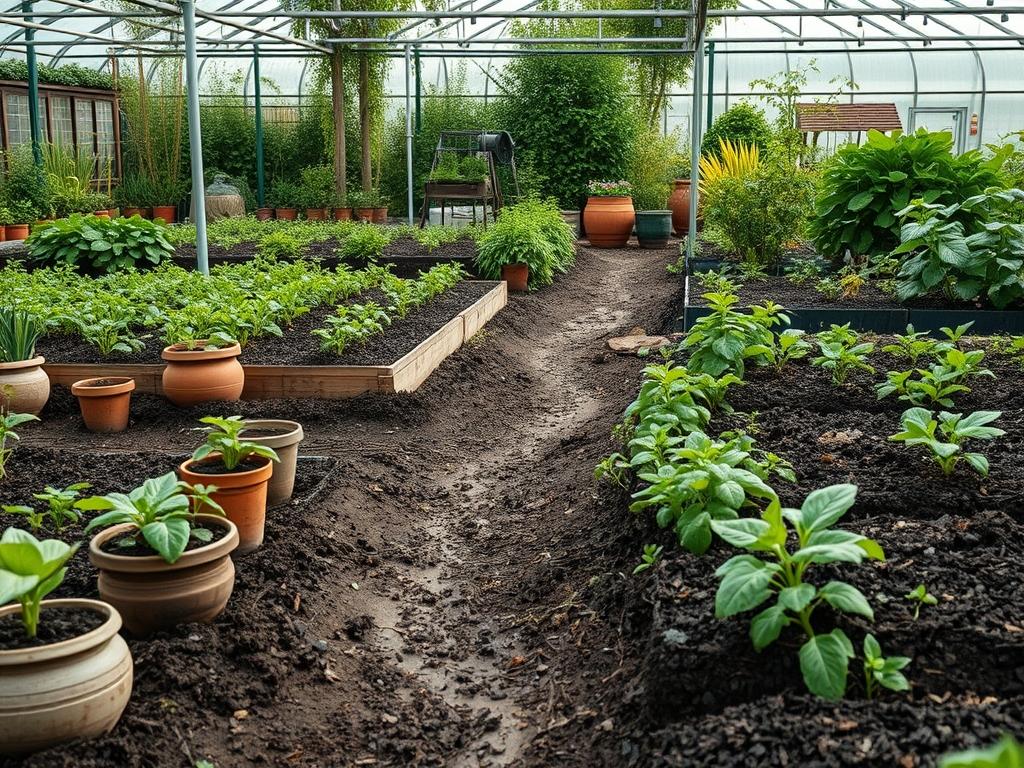
Every landscape architect understands that the visual success of an outdoor environment is a byproduct of its subterranean health. We spend weeks drafting site plans that emphasize symmetry, focal points, and the elegant flow of walkways, yet the most beautiful design will collapse if the biological foundation is neglected. High-end residential projects often face the same recurring challenges; fluctuating moisture levels, nutrient leaching, and the gradual degradation of soil structure. This is where modern science meets ancient wisdom. Using Biochar for Soil is a technique rooted in the Amazonian basin, where dark, fertile earths known as Terra Preta have sustained life for millennia. By introducing this stabilized form of carbon into a modern landscape plan, we create a high-performance substrate that acts as a permanent battery for plant life, ensuring that the curb appeal we design today remains vibrant for decades.
Landscape Design Principles
A professional landscape is more than a collection of plants; it is a structured environment that relies on the interplay of elevation, balance, and rhythm. When we design for a client, we prioritize focal points, such as a large specimen tree or a custom stone sculpture, which draw the eye through the space. However, these focal points require stability. Using Biochar for Soil allows the architect to create localized “pockets” of high fertility that support the heavy nutritional demands of showpiece flora. By enhancing the Cation Exchange Capacity (CEC) of the earth, biochar ensures that the minerals applied during the installation phase stay within the root zone rather than washing away into the local watershed.
Symmetry and visual balance are achieved through consistent growth rates. In many urban landscapes, soil health varies wildly from one corner of the lot to another due to construction debris or varying compaction levels. This inconsistency leads to lopsided hedges and uneven lawn patches that ruin the intended clean lines of a formal garden. Incorporating biochar across the entire site levels the playing field. It provides a uniform texture and moisture-retention capability that allows a row of Boxwoods to grow at an even pace, maintaining the crisp architectural integrity of the hedge. Furthermore, irrigation planning becomes significantly more efficient. Because biochar is highly porous, it functions like a microscopic sponge, holding onto water and releasing it slowly. This reduces the need for complex, high-volume irrigation systems and prevents the soil from becoming hydrophobic during peak summer heat.
Plant and Material Selection
Effective landscaping requires selecting materials that complement the site conditions. The following table outlines how different plant types respond to an optimized soil environment enhanced with biochar and professional-grade amendments.
| Plant Type | Sun Exposure | Soil Needs | Water Demand | Growth Speed | Maintenance Level |
| :— | :— | :— | :— | :— | :— |
| Japanese Maple | Partial Shade | Rich, Acidic | Moderate | Slow | Medium |
| English Lavender | Full Sun | Sandy, Well-Drained | Low | Medium | Low |
| Pachysandra | Full Shade | Moist, Loamy | Moderate | Fast | Low |
| Hydrangea | Partial Sun | High Organic Matter | High | Medium | High |
| Switchgrass | Full Sun | Adaptable/Poor | Low | Fast | Low |
When selecting materials for retaining walls and walkways, consider how the surrounding soil will affect the longevity of these structures. Soil that expands and contracts excessively due to moisture fluctuations can cause hardscaping to shift or crack over time. Using Biochar for Soil stabilizes the moisture content in the surrounding earth, which minimizes the freeze-thaw cycles that often damage expensive masonry. This makes biochar a vital material not just for the plants, but for the structural integrity of the entire site.
Implementation Strategy
The successful application of biochar begins during the grading phase of the project. Before any sod is laid or ornamental shrubs are planted, the soil must be prepared to a depth of at least 6 inches. We recommend a application rate of approximately 10 percent biochar by volume. For a standard backyard garden, this equates to roughly 1 pound of biochar per 10 square feet of surface area.
Step one involves clearing the site of debris and performing a rough grade to ensure proper drainage away from the home foundation. Once the elevation is established, the biochar should be spread evenly across the planting beds. Using a rototiller or a heavy-duty spade, incorporate the carbon into the existing topsoil. Transitioning to step two, we apply a “charge” to the biochar. Raw biochar is extremely thirsty for nutrients, so it must be blended with high-quality compost or a liquid organic fertilizer to ensure it does not temporarily rob the plants of nitrogen.
The final step is the installation of the plants and the application of mulch. A 3-inch layer of shredded bark or pine needles should be applied over the amended soil. This mulch layer acts as a protective skin, keeping the biochar cool and moist while it begins to integrate with the local microbial community. For hardscaping elements like flagstone paths, ensure that the edging is installed securely to prevent the enriched soil from migrating into the gravel base of the walkway.
Common Landscaping Failures
The most frequent mistake in landscape management is poor drainage planning. Even when using Biochar for Soil, if the site is not graded to allow water to move, the plants will effectively sit in a bathtub of stagnant water. This leads to root rot and the eventual death of expensive specimens. Biochar helps by increasing the air space within the soil, but it cannot overcome a total lack of slope. Architects must ensure a minimum 2 percent grade away from all structures and planting zones.
Another common failure is soil compaction. During the construction of a new home, heavy machinery often drives over the landscape, crushing the air pockets out of the earth. When this happens, roots cannot penetrate the soil, and water simply runs off the surface. Biochar is an excellent solution for mitigating compaction because its crystalline structure does not easily crush. It keeps the soil “open” even under pressure. However, many homeowners make the mistake of improper spacing. They plant privacy hedges too close together, leading to root overcrowding and nutrient competition. By providing a more nutrient-dense environment with biochar, you can slightly mitigate the stress of density, but proper spacing based on the plant’s mature size remains a fundamental requirement for long-term health.
Seasonal Maintenance
Landscape management is a year-round commitment that changes with the cycle of the sun. In the Spring, focus on activation. This is the time to apply a fresh layer of compost tea to the soil. The biochar will hold these microorganisms, giving the landscape a biological jumpstart as temperatures rise. Check your drip irrigation lines for clogs and ensure that the edging around your flower beds is crisp and deep.
During the Summer, the primary goal is moisture management. Because biochar increases the water-holding capacity of the soil, you may find that you can reduce your irrigation frequency by up to 30 percent. Monitor the leaves of your Hydrangeas or Maples for wilting; if the soil feels damp 2 inches below the surface, the biochar is doing its job and you can hold off on watering.
In the Autumn, the focus shifts to preparation. As deciduous trees drop their leaves, you can lightly till this organic matter back into the top layer of the soil where the biochar is present. This creates a natural composting cycle that feeds the soil through the colder months. Finally, in Winter, the landscape is largely dormant. This is the ideal time to review your site’s elevation and drainage. With the foliage gone, you can easily see where water might be pooling or where retaining walls might need minor adjustments.
Professional Landscaping FAQ
How often should I apply biochar to my garden?
Biochar is a permanent soil amendment that does not decompose like compost. You only need to apply it once during the initial planting or renovation phase to provide benefits for decades or even centuries.
Can I use biochar in containers and raised beds?
Yes, biochar is highly effective in confined spaces. Mix it at a 1-to-9 ratio with high-quality potting soil to improve aeration and prevent the potting mix from becoming overly compacted over time.
Does biochar change the pH of my soil?
Most biochar is slightly alkaline. If you are growing acid-loving plants like Azaleas or Blueberries, you may need to balance the soil with sulfur or peat moss to maintain the desired acidity levels for those specific species.
Is biochar a replacement for fertilizer?
Biochar is a soil conditioner, not a nutrient source. It acts as a housing unit for nutrients and microbes. You must still apply organic fertilizers, but the biochar will make those fertilizers more efficient and longer-lasting.
Will biochar help with heavy clay soil?
It is one of the best solutions for clay. The porous structure of biochar breaks up the dense particles of clay, allowing for better water infiltration and deeper root penetration for your trees and lawn.