
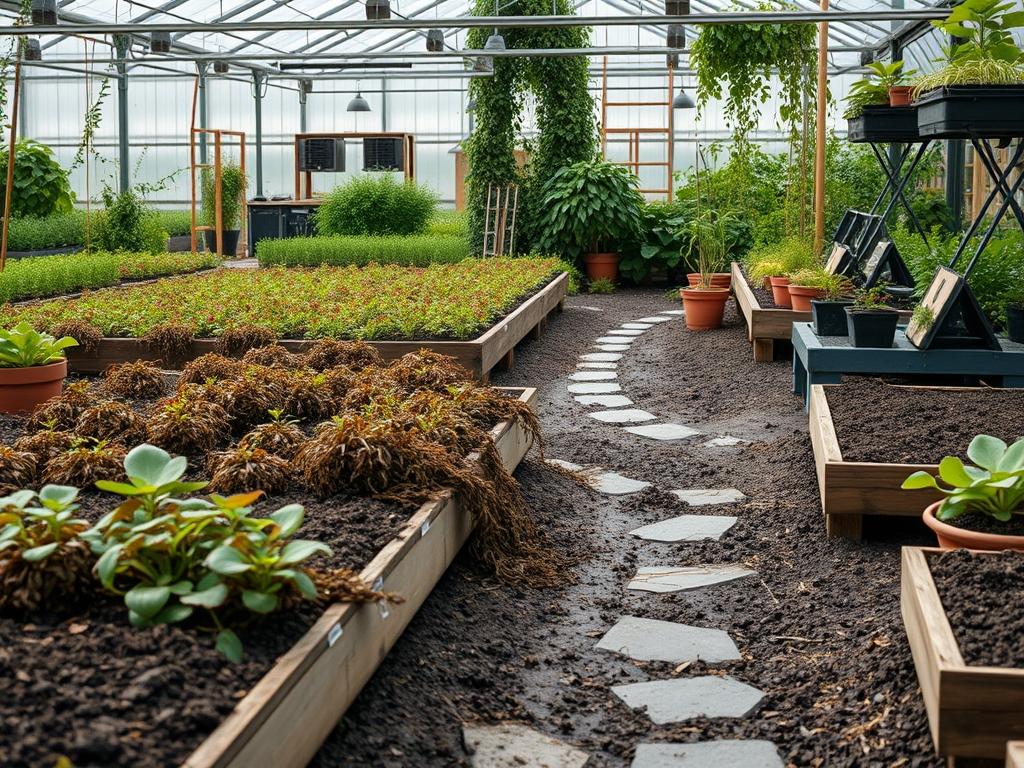
Applying specialized marine biomass to luxury and functional landscapes represents a shift toward ecological high performance. In the pursuit of superior curb appeal and long-term soil health, modern landscape architects are looking beyond traditional bark and rock coverings. Using Seaweed for Mulch serves as a dual-purpose strategy. It provides a protective surface barrier while simultaneously acting as a slow-release mineral concentrate. Professional outdoor environment designers recognize that the primary challenge in any installation is maintaining a balance between aesthetic symmetry and biological vitality. Coastal materials offer a distinct advantage here, especially in environments where native plant species require specific micronutrients to thrive against harsh winds or salt spray. When integrated correctly, seaweed mulch transforms the landscape from a static visual arrangement into a dynamic, self-nourishing ecosystem. This approach reduces the reliance on synthetic fertilizers, enhances moisture retention in high-drainage zones, and creates a unique textural contrast that highlights the architectural lines of the property.
Landscape Design Principles
Effective landscape design requires a focus on structural harmony and spatial hierarchy. When we incorporate marine-based mulches, we must consider how the material interacts with the focal points of the garden. Using Seaweed for Mulch introduces a dark, rich aesthetic that recedes visually, allowing the vibrant greens and floral colors of the primary plantings to stand out. This creates a natural depth of field. Symmetry is achieved by using the mulch to define clear borders around central features like stone fountains or specimen trees. Because seaweed stays relatively flat compared to chunky wood chips, it allows for cleaner lines and more precise edging, which is a hallmark of high-end landscape architecture.
Elevation layers are equally critical. In tiered gardens or areas utilizing retaining walls, the moisture-retaining properties of seaweed help stabilize soil structures. Higher elevations often suffer from rapid evaporation; however, the gelatinous nature of specific seaweeds like Kelp creates a protective film over the soil surface. This film reduces transpiration and keeps the root zones of premium shrubs cool during peak summer heat. Walkways and transition zones benefit from this as well. By placing seaweed mulch in the transition between a rigid walkway and a soft garden bed, we create a visual bridge that feels organic and purposeful. Irrigation planning must also account for the water-holding capacity of the material. A landscape utilizing seaweed often requires a calibrated drip system rather than overhead sprays to prevent the mulch from becoming oversaturated and potentially anaerobic.
Plant and Material Selection
Selecting the right flora to pair with marine amendments is essential for ensuring that the mineral uptake matches the growth cycle of the plants. The following table highlights species that respond exceptionally well to the mineral-rich environment created by seaweed application.
| Plant Type | Sun Exposure | Soil Needs | Water Demand | Growth Speed | Maintenance Level |
| :— | :— | :— | :— | :— | :— |
| Beach Plum | Full Sun | Sandy/Loam | Low | Moderate | Low |
| Saltmarsh Mallow | Full Sun | Moist/Saline | High | Fast | Medium |
| Bayberry | Sun/Part Shade | Well-drained | Low | Moderate | Low |
| Rugosa Rose | Full Sun | Well-drained | Moderate | Fast | Low |
| Sea Kale | Full Sun | Deep/Rich | Moderate | Moderate | Medium |
| Shore Juniper | Full Sun | Sandy | Low | Slow | Low |
| Hydrangea | Part Shade | Rich/Moist | High | Fast | Medium |
Implementation Strategy
The successful implementation of a seaweed-based mulch program begins with material preparation. Raw seaweed collected from shorelines must be thoroughly rinsed with fresh water to remove excess sodium chloride. High salt concentrations can lead to root desiccation and soil structure collapse. Once cleaned, the seaweed should be chopped or shredded to increase surface area for faster mineral release. For a professional finish, we recommend a layering technique. Start with a thin layer of compost to provide immediate nitrogen, then apply the seaweed at a depth of 2 to 3 inches. This depth is sufficient to suppress weeds while still allowing gas exchange between the soil and the atmosphere.
Grading and drainage are the next priorities. Ensure the ground slopes away from the foundation of the home at a minimum of 2 percent. When applying the mulch, keep it roughly 3 inches away from the base of trunks and stems to prevent rot. Hardscaping elements, such as Steel Edging or Granite Curbs, should be installed before the mulch is laid. This creates a contained environment that prevents the seaweed from shifting during heavy rain. If the project involves a large area, consider integrating a Geotextile Fabric underneath the organic layers in specialized drainage swales. This ensures that while the minerals leach into the soil, the physical mass of the mulch does not clog the subsurface drainage pipes.
Common Landscaping Failures
The most frequent error when Using Seaweed for Mulch is neglecting the rinsing process. Excess salt buildup can alter the soil pH and kill beneficial microbial life. Furthermore, improper mulch depth is a common pitfall. If the seaweed is applied too thickly, say over 5 inches, it can mat down and form an impermeable crust. This crust prevents water from reaching the root zone and can trap heat, essentially cooking the soil underneath. This is particularly dangerous for shallow-rooted species like Azaleas or Rhododendrons.
Soil compaction is another issue often linked to improper installation. If heavy equipment is used over the mulched area, the unique pore structure of the seaweed is crushed, leading to poor aeration. We also see failures in irrigation management. Because seaweed holds so much water, many homeowners over-irrigate, leading to root rot and fungal infections like Pythium. Finally, neglecting the aesthetic maintenance is a mistake. As seaweed decomposes, it shrinks and darkens. If not topped off annually, the landscape can begin to look sparse, losing its structured curb appeal and exposing the soil to erosion.
Seasonal Maintenance
Maintenance schedules must be adapted to the lifecycle of the organic material. In the spring, the landscape consultant should inspect the mulch depth. As the ground thaws, the seaweed from the previous year will have substantially decomposed, enriching the soil with Potassium, Magnesium, and Iodine. This is the prime time to apply a fresh layer of 1 to 2 inches to prepare for the growing season. During the summer, the focus shifts to moisture management. Check the moisture levels under the mulch twice a week; you will often find that the soil remains damp even during short droughts, allowing you to cycle down your irrigation frequency.
Autumn is the season for stabilization. As deciduous trees drop their leaves, clear any heavy debris from the top of the seaweed mulch to prevent mold. You can lightly rake the mulch to aerate it before the first frost. In winter, seaweed acts as an insulation blanket. For sensitive perennials or newly planted woody ornamentals, a slightly thicker application around the drip line can protect the root ball from the freeze-thaw cycle. This seasonal rotation ensures that the minerals are consistently available and the visual standards of the property remain high throughout the year.
Professional Landscaping FAQ
Is seaweed mulch safe for all garden types?
Yes, provided it is thoroughly rinsed to remove salt. It is exceptionally beneficial for vegetable gardens, fruit trees, and salt-tolerant ornamental shrubs. Avoid using unwashed seaweed near salt-sensitive plants like Maples or Roses.
How often should I replenish seaweed mulch?
Seaweed decomposes faster than wood-based products due to its high fiber and mineral content. To maintain peak curb appeal and soil protection, plan to add a fresh layer of roughly 2 inches every twelve months.
Does seaweed mulch attract pests or create odors?
When rinsed and applied in a thin layer, seaweed does not produce a foul odor. Because it lacks the cellulose found in wood, it does not attract termites or carpenter ants, making it safer for application near home foundations.
Should I use liquid seaweed or raw mulch?
Raw seaweed mulch provides physical soil protection and weed suppression that liquids cannot. However, supplementing with liquid seaweed extracts during the peak summer growth phase can provide an extra boost of growth hormones and micronutrients.
Can I mix seaweed with other mulch types?
Mixing seaweed with Pine Bark or Cedar Mulch is a great way to combine the longevity of wood with the mineral benefits of marine life. This hybrid approach creates a varied texture that is visually appealing and biologically diverse.