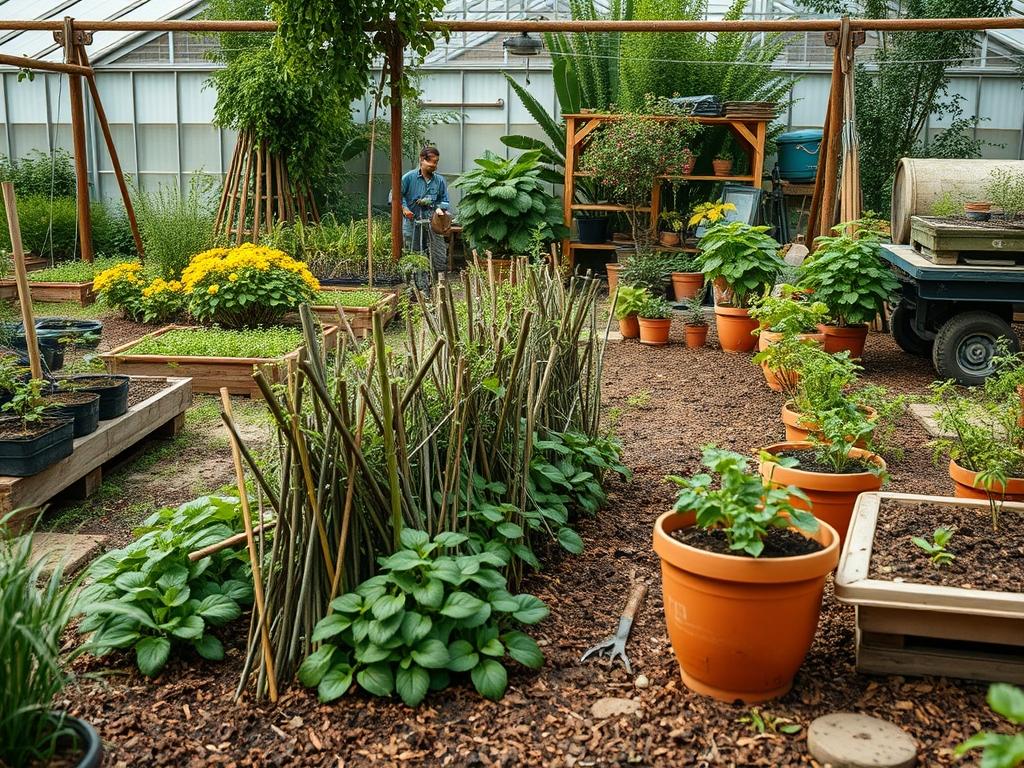
Modern landscape architecture is currently undergoing a transformative shift from purely aesthetic, high maintenance designs toward ecologically resilient environments. One of the most effective strategies for balancing curb appeal with environmental stewardship is the integration of organic boundaries. Building a stick hedge, frequently referred to in professional circles as a dead hedge, offers a sophisticated solution to the common problem of managing woody debris while simultaneously creating a sanctuary for local fauna. For the homeowner or estate manager, this structure functions as a living sculpture that changes with the seasons. It serves as a visual screen, a windbreak, and most importantly, a vital corridor for bug biodiversity. Unlike modern fencing materials that require mining or factory processing, these structures utilize the existing biomass of the property, effectively closing the loop on nutrient cycling and reducing the carbon footprint of the garden.
The functional goals of an outdoor environment often center on privacy and definition of space. However, climate considerations such as soil erosion and wind tunnel effects in suburban areas require more than just a barrier. A well-constructed stick hedge provides a porous surface that slows down the wind rather than blocking it entirely. This reduces the turbulence that often occurs behind solid walls, protecting delicate peripheral plantings. From a landscape consultant’s perspective, the transition between the manicured lawn and the wilder elements of a property is where the most significant ecological work happens. By building a stick hedge at this junction, you provide a dense vertical layer that satisfies the human need for order and the biological need for shelter.
Landscape Design Principles
When designing a stick hedge, the principle of symmetry must be balanced with the organic nature of the materials. Professional layouts often use the hedge as a backdrop or a “green wall” to highlight more colorful foreground perennials. To maintain visual order, the structure should be framed with vertical uprights that are perfectly plumb. This creates a rhythmic pattern that signaling the hedge is a deliberate architectural choice, not a haphazard pile of yard waste. Focal points can be established by varying the height of the hedge or incorporating larger logs at the base to create “solitary bee apartments” within the larger lattice.
Elevation layers play a vital role in both aesthetics and functionality. A tiered design, where the stick hedge transitions into a stone-edged flower bed, creates depth and a sense of permanence. Irrigation planning is equally critical. While the hedge itself does not require water, the area beneath it becomes a moisture retentive zone. Placement should avoid areas where excess moisture might pool and cause the structural posts to rot prematurely. Strategic placement near walkways allows visitors to observe the minute details of the hedge without disturbing its inhabitants. This proximity fosters a connection with the local ecosystem, turning a simple boundary into an educational feature of the landscape.
Plant and Material Selection
| Material/Plant Type | Sun Exposure | Soil Needs | Water Demand | Growth Speed | Maintenance Level |
| :— | :— | :— | :— | :— | :— |
| Oak/Chestnut Posts | Any | Well-drained | N/A (Structural) | N/A | Low (Check for rot) |
| Willow Branches | Full Sun to Shade | Adaptable | Low | N/A | Moderate (Restock) |
| Hazel Rods | Partial Shade | Loamy | Moderate | N/A | Low (Pliable) |
| English Ivy | Shade to Sun | Any | Low | Fast | High (Trimming) |
| Clematis | Full Sun (Roots cool) | Rich/Drained | Moderate | Fast | Moderate |
| Sword Ferns | Shade | Moist/Organic | High | Slow | Low |
Implementation Strategy
The process of building a stick hedge begins with careful site preparation and grading. It is essential to ensure the ground is level or slightly sloped away from the residence to prevent drainage issues. Once the line of the hedge is determined, use a Post hole digger or a Gas-powered auger to set vertical supports every 4 to 6 feet. These supports should be 4×4 pressure-treated timber or, for a more natural look, sweet chestnut stakes driven at least 2 feet into the earth. The stability of the entire hedge depends on these structural anchors.
After the posts are secure, the layering process begins. Start with the heaviest material at the base, such as Oak logs or Thick maple branches. This creates a sturdy foundation and provides large cavities for ground beetles and toads. As you work upward, weave thinner branches like Willow or Birch between the posts. This weaving technique compress the materials and prevents them from blowing away in heavy winds. It is advisable to maintain a width of at least 18 to 24 inches for the structure to ensure it is thick enough to offer thermal protection for insects during winter.
Finish the installation by applying a 3-inch layer of hardwood mulch along the perimeter. This provides a clean edge that separates the hedge from the turf, signaling a professional finish. If the hedge is located on a slope, consider installing a small Stone retaining wall at the base to prevent the organic matter from sliding and to further enhance the microhabitat options for beneficial bugs.
Common Landscaping Failures
The most frequent mistake when building a stick hedge is poor drainage management. If the base of the hedge sits in standing water, the wood will decompose anaerobically, creating unpleasant odors and attracting unwanted pests instead of beneficial biodiversity. To avoid this, ensuring the soil is not overly compacted before installation is crucial. Use a Garden fork to aerate the area along the hedge line.
Another common failure is root overcrowding near the structure. While it is tempting to plant directly against the hedge, the decomposing wood can sometimes tie up nitrogen in the soil initially, which may stunt the growth of young plants. Professional designers recommend a “buffer zone” of about 12 inches where only hardy species or mulch is placed. Additionally, failing to account for the eventual settling of the wood can lead to a messy appearance. Organic materials will naturally compress over time; if the hedge is not “topped off” annually, it may lose its visual impact and its effectiveness as a windbreak. Finally, using wood treated with toxic chemicals can be detrimental. Always use natural, untreated wood to ensure the safety of the bug populations you are trying to attract.
Seasonal Maintenance
Seasonal management ensures the longevity and ecological productivity of the stick hedge. In the spring, inspect the structural posts for any signs of shifting or excessive rot. This is also the time to prune any climbing plants like Clematis or Honeysuckle that have been trained to grow over the wood. Autumn is the primary season for “restocking” the hedge. As deciduous trees drop their limbs, collect the deadwood and layer it onto the top of the hedge. This mimics the natural forest floor process where new material falls onto the old.
During the summer months, the internal core of the hedge should stay relatively cool. If the region experiences an extreme drought, a light misting with a Garden hose can help maintain the humidity levels required by many beneficial insects and fungi. In winter, the goal is stability. Avoid heavy disturbance of the hedge, as many species of ladybugs and solitary bees are overwintering in the deep crevices of the wood. The visual appeal during winter is particularly striking when frost coats the intricate lattice of branches, providing a structural focal point in an otherwise dormant garden.
Professional Landscaping FAQ
How long does a stick hedge typically last?
A well-constructed stick hedge using durability-rated hardwoods like oak for the uprights can last 10 to 15 years. The internal filler material decomposes faster, requiring annual replenishment of smaller branches to maintain its height and density.
Will a stick hedge attract termites to my home?
When building a stick hedge, keep it at least 20 feet away from any wooden structures or foundations. While the hedge attracts many wood-boring insects, proper spacing and the use of untreated timber prevent these insects from transitioning to your home.
Can I use any type of wood for the filler?
Yes, most garden prunings are suitable. However, refrain from using invasive species like Buckthorn or Multiflora Rose seeds, as the hedge could inadvertently become a nursery for weeds. Use hardwood limbs primarily for a longer-lasting structure.
Does a dead hedge require a building permit?
In most residential jurisdictions, a stick hedge is classified as a landscape feature or a “rustic fence” and does not require a permit. However, if the height exceeds 6 feet, it is wise to check local zoning ordinances.
How does this structure help with garden drainage?
The hedge acts as a vertical bio-filter. When it rains, the woody mass slows the velocity of runoff, allowing water to infiltrate the soil slowly. The organic matter also increases the soil’s water-holding capacity over time as it decays.