Cultivating a productive berry patch within a sophisticated landscape requires a delicate balance between ecological harmony and harvest security. While the presence of local avian populations signals a healthy, thriving ecosystem, their appetite for ripening Blueberries, Raspberries, and Strawberries can quickly transform a high-yield garden into a disappointing waste of resources. From a landscape architect’s perspective, the goal is to integrate natural bird deterrents that augment the aesthetic value of the property rather than detracting from its curb appeal. A well-designed garden must account for local climate variables, soil structure, and the behavioral patterns of local wildlife. By treating the berry patch as a functional outdoor room, we can implement strategies that preserve the site’s visual integrity while ensuring that your summer harvest remains intact.
Successful landscape design relies on the strategic placement of plants and hardscape elements to guide both the eye and the movements of living creatures. When planning a berry-centric environment, maintaining a clean architectural line is essential for high-end curb appeal. Integrating deterrents into the primary design rather than adding them as an afterthought prevents the cluttered look often associated with backyard farming. By utilizing professional-grade materials and scientific planting methods, a gardener can create a systematic barrier that feels like a natural part of the topography.
Landscape Design Principles
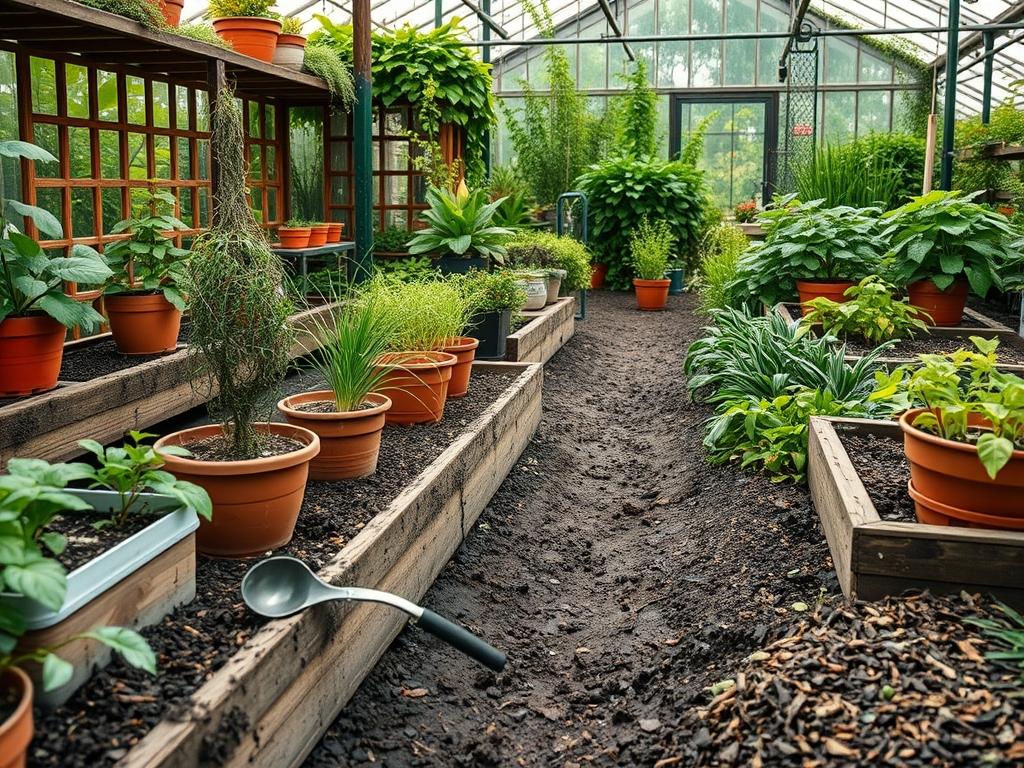
Applying fundamental design principles to a berry garden ensures the space remains functional and beautiful. Symmetry plays a vital role here; for instance, flanking a central walkway with mirrored Blueberry hedges creates a formal entry point that feels intentional. When these hedges are integrated into a larger master plan, they serve as focal points that draw the eye toward specific vistas. Elevation layers are equally significant. By using retaining walls or raised beds measuring at least 18 inches in height, you can isolate berry crops from ground-level pests while making the installation of physical natural bird deterrents, such as fine-mesh netting, much cleaner and more structured.
Visual balance is achieved by mixing textures. The soft foliage of berry bushes should be offset by the rigid lines of flagstone walkways or timber edging. Irrigation planning must be subterranean or ground-level to avoid wetting the foliage, which can attract birds looking for a water source. Furthermore, the inclusion of sacrificial planting zones, often called “decoy gardens,” can be situated on the periphery of the property. These zones feature native species like Serviceberry or Elderberry that ripen earlier than your prized cultivars, effectively drawing birds away from the main harvest area through strategic spatial arrangement.
Plant and Material Selection
Selecting the right cultivars and support materials is the foundation of a low-maintenance landscape. The following table highlights common berry species and decoy plants used to manage bird populations naturally.
| Plant Type | Sun Exposure | Soil Needs | Water Demand | Growth Speed | Maintenance Level |
| :— | :— | :— | :— | :— | :— |
| Highbush Blueberry | Full Sun | Acidic (pH 4.5-5.5) | High | Slow | Medium |
| Heritage Raspberry | Full Sun | Well-Draining Loam | Medium | Fast | High |
| June-Bearing Strawberry | Full Sun | Sandy Loam | Medium | Fast | Medium |
| Serviceberry (Decoy) | Full to Part Sun | Adaptable | Medium | Medium | Low |
| Elderberry (Decoy) | Full Sun | Moist, Fertile | High | Fast | Low |
| Red Currant | Part Shade | Rich, Cool Soil | Medium | Medium | Low |
In addition to plant selection, material choices for deterrents should favor durability and stealth. Use anodized aluminum poles for netting supports rather than flimsy plastic. For mulch, choose double-shredded hardwood mulch at a depth of 3 inches to suppress weeds and maintain soil moisture, which helps the plants resist the stress of bird activity.
Implementation Strategy
The implementation phase begins with professional-grade site preparation. Start by assessing the grading of your berry patch; the ground must slope away from any structures at a rate of at least 2 percent to prevent water pooling. Once the site is graded, install heavy-duty landscape fabric only under walkways to prevent weed growth without suffocating the root zones of your bushes. Edging should be crisp, using steel edging or tumbled stone to define the transition between the berry beds and the lawn.
When placing your plants, ensure that the spacing allows for maximum airflow. For Raspberries, a distance of 3 feet between plants within a row is standard. Once the plants are established, integrate your natural bird deterrents. Static deterrents, such as copper wind spinners or reflective tape, should be placed at varying heights to catch the sunlight. This creates a visual disturbance that birds find unsettling. For more permanent protection, construct a timber-frame fruit cage using cedar 4×4 posts. This structure can be draped with transparent bird netting during the ripening month and left open during the rest of the year to maintain the landscape’s open feel.
Common Landscaping Failures
Many homeowners encounter significant setbacks by ignoring the technical requirements of small-fruit horticulture. Drainage mistakes are the most frequent culprit; berries planted in compacted, heavy clay soil will suffer from root rot, making them more susceptible to disease and less capable of recovering from bird damage. If your soil has high clay content, incorporate expanded shale or coarse sand to increase pore space and improve permeability.
Root overcrowding is another common failure. When plants are packed too tightly to create a “full” look instantly, they compete for nutrients and water. This competition weakens the plants, leading to smaller, less flavorful fruit that is more easily damaged. Furthermore, improper irrigation, such as using overhead sprinklers, creates a damp microclimate that encourages fungal growth and attracts birds looking for a bath. Always utilize drip irrigation lines buried beneath 2 inches of pine bark mulch to deliver water directly to the root zone where it is needed most.
Seasonal Maintenance
A professional landscape requires a chronological approach to care. In the Spring, focus on soil health. Apply a balanced organic fertilizer and refresh the mulch layers to ensure moisture retention as temperatures rise. This is also the time to inspect your automated irrigation system for leaks or clogged emitters. As the berries begin to set fruit in the Summer, deploy your active deterrents. Move reflective discs every 3 to 5 days to prevent birds from becoming habituated to their presence.
During the Autumn, the focus shifts to sanitation and structural care. Remove any fallen, mummified fruit from the ground to prevent the overwintering of pests and pathogens. Prune Blackberries and Raspberries according to their specific fruiting cycles, typically removing canes that have already produced fruit. In the Winter, inspect the integrity of your hardscape and retaining walls. The freeze-thaw cycle can shift stone pavers or loosen fence posts. Tighten any netting supports and prepare your tools for the coming season by sharpening bypass pruners and cleaning shovels.
Professional Landscaping FAQ
What is the most effective visual natural bird deterrent?
Highly reflective materials, such as Mylar tape or stainless steel spheres, are most effective. These tools utilize light refraction to disorient birds. To maintain effectiveness, you should relocate these items frequently so birds do not become accustomed to their placement.
How deep should I apply mulch around my berry bushes?
Apply organic mulch, such as wood chips or pine needles, to a depth of 3 inches. This depth effectively suppresses weed competition and regulates soil temperature. Avoid “mulch volcanoes” by keeping the material 2 inches away from the base of the stems.
Can I use native plants as bird deterrents?
Yes, this is known as trap cropping. By planting Native Wild Cherries or Elderberries nearby, you provide an alternative food source. Birds often prefer these native fruits over domesticated berries, naturally luring them away from your primary garden harvest.
Do motion-activated sprinklers work for bird control?
Motion-activated systems are excellent for larger birds and ground pests. They provide a harmless yet startling physical stimulus that discourages lingering. Ensure the sensors are calibrated to the size of the target pests to avoid wasting water on wind-blown foliage.
What is the best way to secure bird netting?
Secure netting to a rigid frame made of PVC pipes or pressure-treated lumber. Ensure the netting is pulled taut and fastened at the ground level using U-shaped landscape staples. This prevents birds from fluttering underneath or becoming tangled in loose mesh.