
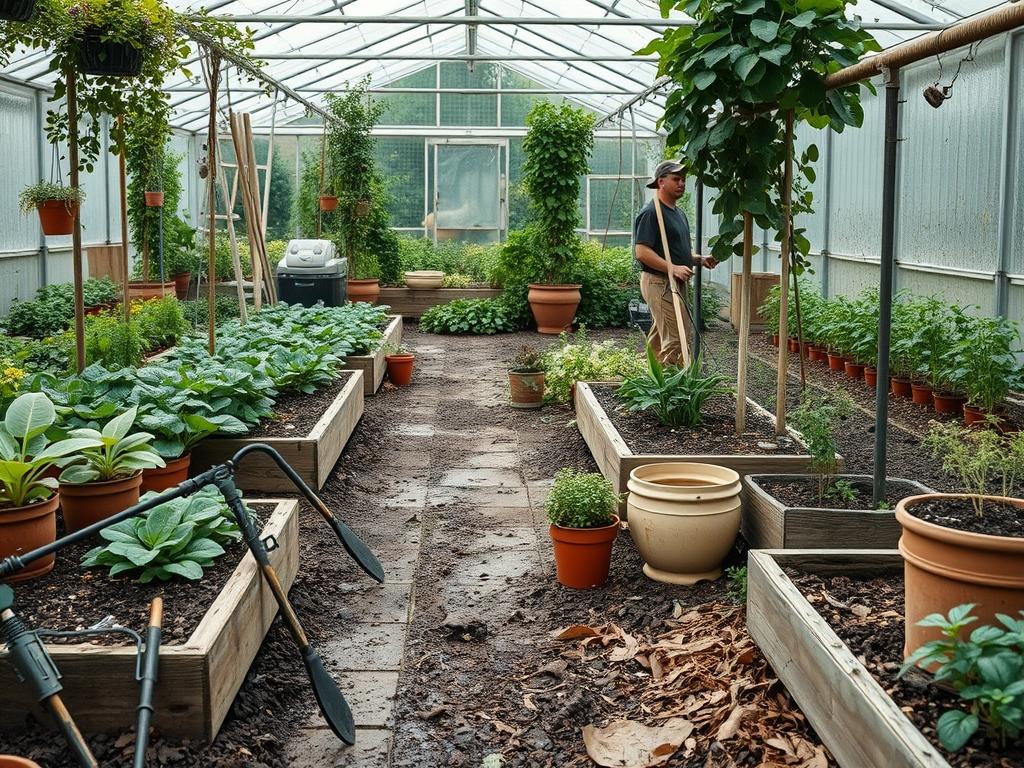
Landscaping is an exercise in both architectural precision and biological management. While a site plan addresses the placement of retaining walls and pavers, the long term health of the environment relies on the chemistry of the soil. Modern property owners are increasingly returning to heritage methods for soil enrichment, particularly the use of Traditional Ash Fertilizers. These materials, primarily derived from hardwood combustion, provide a rich source of potassium and calcium carbonate. However, integrating these amendments into a professional landscape design requires a nuanced understanding of soil pH and plant physiology. A failure to calibrate these inputs can lead to alkaline spikes that jeopardize localized flora, while proper application can enhance the structural vigor and curb appeal of an entire estate.
In diverse climates, from the humid coastal regions to the arid highlands, soil quality dictates the success of any outdoor project. A landscape architect must look beyond the immediate visual impact and consider how the ground will sustain the intended biological density over several decades. Using Traditional Ash Fertilizers can be a sustainable way to recycle nutrients, provided that the safety protocols are strictly followed. Safety, in this context, refers to the prevention of root burn and the avoidance of heavy metal accumulation. When integrated into a comprehensive management plan, these fertilizers support the robust growth necessary for creating lush privacy screens and vibrant focal points.
Landscape Design Principles
Successful landscape design relies on the intentional arrangement of space to evoke a specific emotional response while maintaining clear functionality. Symmetry plays a vital role in formal gardens, where mirrored plantings of English Boxwood or Arborvitae frame an entrance or a natural stone walkway. In more organic, contemporary designs, visual balance is achieved through the clever use of elevation layers. By utilizing retaining walls and tiered garden beds, designers create a sense of depth that draws the eye across the property. Each layer provides an opportunity to introduce different textures, from the fine foliage of ornamental grasses to the broad leaves of hostas.
The technical foundation of these designs is found in irrigation and drainage planning. Without a properly graded site, water accumulates in low spots, leading to soil compaction and root rot. Traditional Ash Fertilizers impact this dynamic by altering the soil structure. Ash particles are fine and can fill the pore spaces in the soil, which might reduce aeration if applied too heavily. Therefore, the architectural layout must include zones where these amendments are used strategically, such as in high-nutrient demand areas like vegetable gardens or specific ornamental beds. Walkways should be designed with a 1.5 percent slope to ensure runoff moves away from the building foundations and into designated bioswales or French drains.
Plant and Material Selection
Integrating soil amendments requires a careful match between the plant species and the resulting soil chemistry. Many ornamental plants thrive in slightly acidic to neutral soil, but several traditional favorites prefer the alkaline boost provided by wood ash.
| Plant Type | Sun Exposure | Soil Needs | Water Demand | Growth Speed | Maintenance Level |
| :— | :— | :— | :— | :— | :— |
| Lavender | Full Sun | Sandy, Alkaline | Low | Moderate | Low |
| Lilac | Full Sun | Rich, Alkaline | Medium | Fast | Moderate |
| Clematis | Partial/Full | Moist, Neutral | High | Fast | High |
| Asparagus | Full Sun | Deep, Sandy | Medium | Moderate | Low |
| Stonecrop | Full Sun | Well-drained | Very Low | Slow | Low |
| Hydrangea | Partial Shade | Moist, Fertile | High | Fast | Moderate |
When selecting materials for the hardscape, consider the interaction between the elements. Traditional Ash Fertilizers are highly soluble. If they are applied near porous limestone or concrete pavers, the runoff could potentially cause staining or minor surface degradation over time. Choosing non-porous materials or ensuring a 4-inch buffer zone of river rock between the garden bed and the hardscape can mitigate these risks.
Implementation Strategy
The transition from a design on paper to a physical landscape begins with grading. Proper grading ensures that the site is level where needed and sloped where drainage is required. Once the site is shaped, we outline the garden beds using steel edging or pressure-treated timber to create a clean separation between the turf and the planting zones. For the application of Traditional Ash Fertilizers, the best approach is a light top-dressing. We recommend a rate of no more than one pound per 100 square feet per year. This measurement ensures that the pH does not shift more than a few decimal points in a single season.
After the ash is distributed, it should be lightly incorporated into the top 2 inches of soil using a hand rake or a small tiller. This prevents the ash from forming a hydrophobic crust on the surface. Once the soil is prepared, planting can commence. Each specimen should be placed in a hole twice the width of its root ball. Following the planting, a 3-inch layer of organic mulch, such as shredded cedar or pine bark, is applied. This mulch serves multiple purposes: it retains moisture, regulates soil temperature, and provides a physical barrier that prevents the ash from washing away during heavy rain events.
Common Landscaping Failures
The most frequent error in professional landscaping is the mismanagement of drainage. Even the most expensive plant palette will fail if the roots are submerged in stagnant water. Furthermore, poor drainage can concentrate certain soil amendments, like those found in Traditional Ash Fertilizers, into toxic levels in localized depressions. Another common pitfall is root overcrowding. Designers often plant for the immediate “full” look, forgetting that a White Oak or a Maple will expand significantly. This leads to soil compaction and competition for nutrients, which can starve the understory plants.
Improper spacing and the neglect of soil testing also rank high among failure causes. Applying ash without first using a pH soil test kit is a significant risk. If the soil is already alkaline, adding more ash will lead to iron chlorosis, a condition where leaves turn yellow because the plant can no longer absorb essential micronutrients. Additionally, irrigation inefficiencies, such as over-watering with a sprinkler system that is not calibrated for the specific soil type, can lead to the leaching of potassium, rendering the fertilization efforts useless.
Seasonal Maintenance
Landscape management is a year round commitment that changes with the cycles of the environment. In the spring, the focus is on renewal. This is the optimal time for soil testing and the primary application of Traditional Ash Fertilizers before the peak growing season begins. It is also the time to inspect irrigation lines for leaks and to refresh the bark mulch levels. Spring pruning of deciduous shrubs encourages new growth and maintains the intended architectural shape of the garden.
Summer maintenance centers on water management. As temperatures rise, the water demand for species like Hydrangeas increases significantly. Monitoring the moisture level at a depth of 4 inches helps prevent drought stress. Autumn is the period for cleanup and protection. Removing fallen leaves from the turf prevents nitrogen depletion and mold growth. It is also a good time to apply a final, very light dusting of ash to perennials to help them build root strength for the dormancy period. In winter, the focus shifts to hardscape protection. Avoid using harsh de-icing salts near garden beds where ash has been applied, as the cumulative salt load can become toxic to the soil biome. Instead, use sand or fine gravel for traction on walkways.
Professional Landscaping FAQ
Is it safe to use charcoal ash in a garden?
No, you should never use charcoal briquette ash. These products often contain chemical binders and additives that are toxic to plants. Only use clean, untreated wood ash from hardwoods like oak, maple, or ash trees for soil amendment.
How does wood ash affect soil pH?
Wood ash acts as a liming agent, which means it increases soil alkalinity. It is approximately half as effective as commercial lime. You must test your soil first; if your pH is above 7.0, avoid adding more ash.
Can I use ash on my evergreen trees?
Broadly speaking, no. Most evergreens, such as Pines and Spruces, as well as acid-loving plants like Azaleas, prefer acidic soil. The alkaline nature of Traditional Ash Fertilizers can stunt their growth and cause needle yellowing or premature drop.
How do I store wood ash safely?
Store ash in a metal container with a tight-fitting lid. Ensure the ash is completely cold before moving it. Keep the container on a non-combustible surface like concrete or stone to prevent any latent embers from starting a fire.
How much ash is too much for a lawn?
For turfgrass, do not exceed 20 pounds per 1,000 square feet annually. Excessive application can lead to high salt levels and nutrient imbalances. It is best to spread the application across several light sessions rather than one heavy coating.