Designing a high end residential landscape requires a sophisticated balance between aesthetic appeal and functional sustainability. Homeowners often seek a landscape that provides curb appeal while also serving as a productive environment for organic gardening. The integration of a potager, or decorative vegetable garden, into the primary landscape design poses unique challenges regarding soil health, southern exposure, and long term resource management. A critical component of this cycle is the preservation of genetic material from the season’s most successful crops. Saving tomato seeds through a meticulous fermentation process allows a landscape to remain self sustaining, ensuring that the specific cultivars adapted to your property’s unique microclimate are preserved for future growing seasons. This technique is not merely a gardening hobby; it is a fundamental practice of environmental stewardship and landscape continuity.
A successful outdoor environment must account for the local climate, average rainfall, and soil composition. When planning a garden that incorporates edible species like Solanum lycopersicum, the architect must evaluate how these plants integrate with hardscaping elements such as stone retaining walls and permeable pavers. Properly saved seeds are the foundation of this recurring beauty. By selecting seeds from the healthiest, most vigorous plants in your garden, you are essentially “breeding” a landscape that is increasingly resistant to local pests and diseases. This reduces the need for chemical interventions and promotes a healthier ecosystem for beneficial insects and pollinators.
Landscape Design Principles
In professional landscape architecture, every element must serve a purpose within the broader visual and functional framework. Symmetry is often used to create a sense of order in a garden that features sprawling plants like tomatoes. By utilizing custom cedar trellises or wrought iron obelisks as focal points, the designer can take advantage of vertical space, known as elevation layering. This architectural approach not only makes the garden more visually interesting but also improves air circulation around the foliage, which is vital for preventing the fungal issues that can damage seed quality.
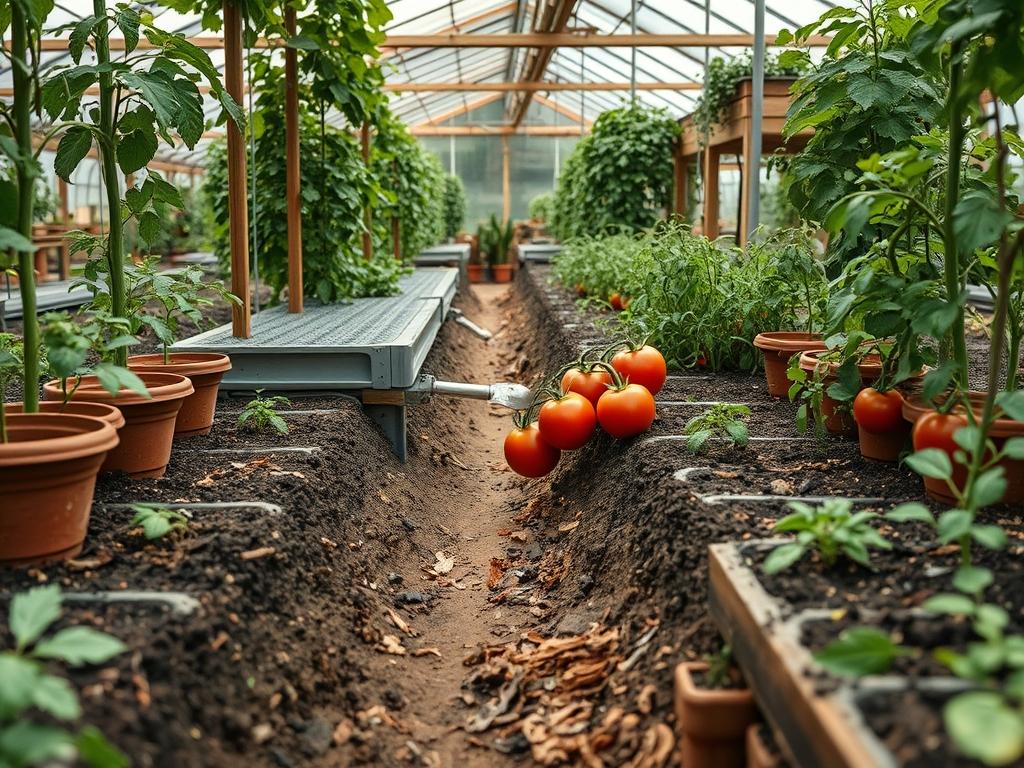
Effective irrigation planning is another cornerstone of high level design. For a seed saving garden, drip irrigation systems are far superior to overhead sprinklers. Delivering water directly to the root zone via 1/2-inch poly tubing ensures that the leaves and developing fruit stay dry. Excess moisture on the fruit can lead to premature splitting or rot, both of which can compromise the integrity of the seeds you intend to harvest. Walkways should be planned using crushed granite or flagstone to provide easy access for maintenance without compacting the soil near the plant’s sensitive root systems. Visual balance is achieved by surrounding the edible beds with permanent plantings that offer year round structure, such as boxwood hedges or tall fescue borders.
Plant and Material Selection
| Plant Type | Sun Exposure | Soil Needs | Water Demand | Growth Speed | Maintenance Level |
| :— | :— | :— | :— | :— | :— |
| Heirloom Tomato | 8+ Hours Full Sun | Loamy, pH 6.2-6.8 | High / Consistent | Fast | High |
| French Marigold | Full Sun | Well-drained | Moderate | Medium | Low |
| Sweet Basil | Full Sun | Moist, Fertile | High | Fast | Moderate |
| Borage | Full to Partial | Average | Moderate | Fast | Low |
| Rosemary | Full Sun | Sandy, Dry | Low | Slow | Low |
| Lavender | Full Sun | Gritty, Alkaline | Low | Moderate | Moderate |
Implementation Strategy
The implementation of a productive landscape begins with site grading and drainage analysis. To prevent water from pooling at the base of your plants, the terrain should have a slight slope, directed toward a French drain or a designated rain garden. Once the grade is established, the layout of the garden beds should be defined with steel edging or pressure-treated timber to create a clean transition between the growing areas and the lawn. A mulch depth of 3 inches is recommended to regulate soil temperature and suppress weeds. Use a high quality organic straw or shredded bark mulch that will decompose over time, adding valuable nutrients back into the soil.
When the tomatoes reach peak maturity in the late summer, the fermentation process for saving seeds begins. This technical step is essential because tomato seeds are encased in a gelatinous sac that contains germination inhibitors. This sac prevents the seed from sprouting inside the moist fruit. In nature, the fruit would fall and rot, and the fermentation would occur naturally. In a managed landscape, we replicate this by squeezing the pulp and seeds into a glass mason jar. Add a small amount of de-chlorinated water and cover the jar with cheesecloth secured by a rubber band. This allows the mixture to breathe while preventing fruit flies from entering. Over the course of 3 to 4 days, a layer of white mold will form on the surface. This fungus breaks down the gelatinous coating and kills many seed-borne pathogens.
After the fermentation period, fill the jar with water and stir. The viable, healthy seeds will sink to the bottom, while the pulp, mold, and hollow seeds will float. Carefully pour off the debris and repeat the rinsing process until only clean seeds remain at the bottom of the container. These seeds must then be spread in a single layer on a mesh screen or a glass plate to dry in a well-ventilated area away from direct sunlight. Once completely dry, which usually takes about a week, the seeds should be stored in an airtight amber glass vial in a cool, dark place.
Common Landscaping Failures
One of the most frequent mistakes in edible landscaping is improper drainage planning. When soil becomes saturated, oxygen is pushed out, leading to root rot and poor fruit development. Similarly, soil compaction from heavy foot traffic or construction equipment can stunt growth and make it difficult for nutrients to reach the plant. Another common failure is root overcrowding. While it is tempting to plant many varieties close together for a lush look, tomatoes require at least 24 to 36 inches of space between each plant to ensure adequate airflow and light penetration.
Improper irrigation timing also leads to significant issues. Watering in the evening can leave the foliage wet overnight, inviting powdery mildew and blight. Instead, set automated timers to irrigate in the early morning. Finally, failing to consider the “legacy” of the soil can lead to nutrient depletion. Crop rotation within your landscape beds is crucial. If you grow tomatoes in the same spot year after year, you risk a buildup of soil-borne diseases. A professional landscape plan will rotate solanaceous crops with legumes or brassicas to maintain a healthy subterranean biome.
Seasonal Maintenance
Spring maintenance focuses on soil preparation and the installation of support structures. Before planting your saved seeds, incorporate a nitrogen-rich compost and a slow-release organic fertilizer into the top 6 inches of soil. Test the soil pH to ensure it remains within the optimal range for the specific cultivars you are growing. Check all irrigation emitters for clogs and ensure that your grading has not shifted during the winter months.
Summer is the season of active management. This involves consistent pruning of “suckers” to maintain the structural integrity of the plant and directing energy toward fruit production. Monitor for pests and apply neem oil or insecticidal soap if necessary. This is also the time to label your best-performing plants as candidates for seed saving. Look for the most robust stalks and the most flavorful, true to type fruit.
Autumn is the primary time for seed harvesting and site winterization. As the growing season ends, conduct the fermentation process described earlier. Once the harvest is complete, remove all spent plant material to prevent disease from overwintering in the garden. This is a good time to add a layer of leaf mold or well-rotted manure to the beds.
Winter maintenance is often overlooked but remains vital for the following year’s success. Use the dormant months to clean and sharpen bypass pruners and garden trowels. Check on your stored seeds to ensure there is no moisture buildup in the vials. If you reside in a region with heavy snowfall, ensure that your hardscaping and retaining walls are stable and that any sensitive perennials are protected with burlap wraps.
Professional Landscaping FAQ
What is the required isolation distance for saving pure seeds?
To prevent cross pollination between different heirloom varieties, maintain at least 10 to 20 feet of horizontal distance. Planting tall physical barriers or flowering buffer crops like sweet alyssum can also help maintain the genetic purity of your chosen tomato cultivars.
Why is fermentation better than simply drying tomato seeds?
Fermentation removes the chemical germination inhibitors found in the seed’s protective gel sac. This process also eliminates several surface-borne diseases and mimics the natural decomposition cycle, leading to a much higher germination rate when you replant the seeds the following spring.
How can I tell if the fermentation process is complete?
The process is usually finished when a layer of white or grey film covers the top of the liquid and the seeds have settled at the bottom. This typically takes 72 to 96 hours depending on the ambient temperature.
What are the signs of poor drainage in my garden beds?
Evidence of poor drainage includes standing water after rainfall, a foul odor from the soil, or yellowing leaves on your plants despite regular fertilization. In such cases, consider installing an underground drainage pipe or increasing the height of your raised beds.
Can I save seeds from any tomato I find in the garden?
It is best to save seeds only from “open-pollinated” or “heirloom” varieties. Seeds saved from hybrid plants, often labeled F1, will not grow “true to type,” meaning the resulting plant will likely be inferior to the parent in flavor or yield.