
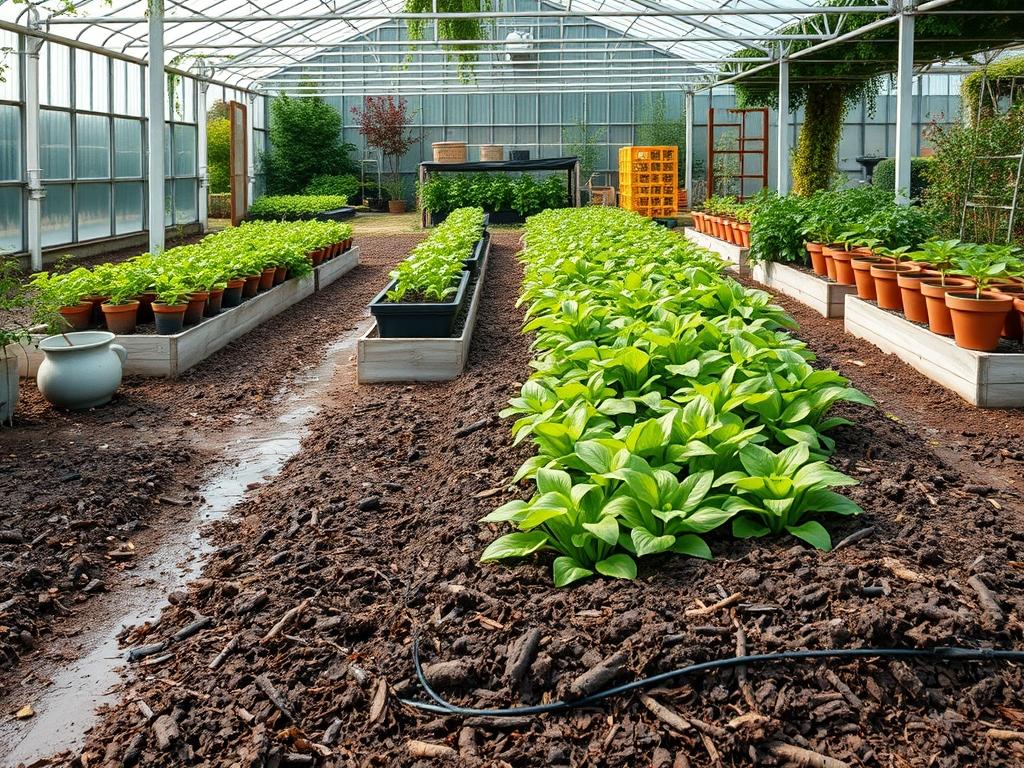
Establishing a fresh garden bed often feels like a confrontational act against nature, particularly when faced with thick turf or stubborn invasive species. The traditional approach of tilling or digging not only demands significant physical labor, but it also disrupts the intricate subterranean ecosystem that plants rely on for nutrient uptake. As a professional landscape architect, I have shifted toward sheet mulching for new beds to preserve soil structure and enhance long term site fertility. This regenerative technique, frequently referred to as a no dig method, utilizes organic decomposition to suppress weeds while building high quality topsoil from the surface downward. By mimicking the natural stratification found on a forest floor, we create a nutrient dense environment that supports robust root development and minimizes the need for synthetic fertilizers. This strategy is particularly effective for large scale residential projects where curb appeal and functional outdoor living spaces must be balanced with ecological sustainability and low maintenance requirements.
The transition from a sterile lawn to a vibrant, layered garden bed requires a deep understanding of site conditions and architectural intent. When we plan these areas, we consider the existing drainage patterns and the way light interacts with the space across different seasons. Sheet mulching allows us to define clear boundaries without the aesthetic harshness of deep trenches or heavy machinery. It is a slow release investment in the soil; as the organic layers break down, they improve the water holding capacity and tilth of the earth beneath. This produces a landscape that is resilient against heat waves and heavy rainfall, ensuring your outdoor environment remains functional and visually striking throughout the year.
LANDSCAPE DESIGN PRINCIPLES
In designing a new bed via sheet mulching, visual balance and architectural hierarchy are paramount. We begin by considering symmetry and focal points, using prominent features like a specimen tree or a large boulder to draw the eye. Sheet mulching provides an excellent opportunity to introduce elevation layers. By varying the thickness of the organic material, we can create subtle topographic interest even on flat lots. These mounds, or berms, allow for better drainage for species that are sensitive to wet feet.
Irrigation planning must occur before the first layer of cardboard is laid down. For modern landscapes, we often install soaker hoses or drip irrigation lines directly on top of the existing grass. When the mulch layers are added over these lines, the moisture is delivered straight to the root zone without the evaporation losses seen in overhead spraying. This subterranean approach also keeps the foliage of susceptible plants dry, reducing the risk of fungal diseases.
Walkways should be integrated into the layout to ensure the bed is accessible for maintenance without causing soil compaction. Using natural stone or crushed gravel paths creates a clear distinction between planting zones and human traffic areas. We apply the principle of “right plant, right place” by mapping the sun exposure of the new bed. Taller species are placed in the rear or center to provide a backdrop, while lower growing groundcovers occupy the edges to soften the transition to the lawn or hardscape. This layered approach ensures that the garden looks full and intentional from the day of installation.
PLANT AND MATERIAL SELECTION
| Plant Type | Sun Exposure | Soil Needs | Water Demand | Growth Speed | Maintenance Level |
| :— | :— | :— | :— | :— | :— |
| Purple Coneflower | Full Sun | Well-drained | Moderate | Fast | Low |
| Switchgrass | Full Sun/Part Shade | Adaptable | Low | Moderate | Low |
| Hostas | Full Shade | Organic-rich | High | Moderate | Medium |
| Oakleaf Hydrangea | Part Shade | Acidic/Loamy | Moderate | Slow | Medium |
| Creeping Thyme | Full Sun | Sandy/Gritty | Low | Fast | Low |
| Little Bluestem | Full Sun | Poor to Average | Very Low | Moderate | Low |
IMPLEMENTATION STRATEGY
The process of sheet mulching for new beds begins with a thorough site survey. Once the perimeter is marked with graphite marking paint or a garden hose, the first physical step involves mowing the existing vegetation as low as possible. We do not remove the clippings; instead, we leave them to provide an initial burst of nitrogen for the decomposition process. If the soil is particularly compacted, we might use a broadfork to create deep cracks for air and water penetration without flipping the soil profile.
Next, we apply a high nitrogen amendment such as composted manure or blood meal directly over the short grass. The core of the operation follows: the weed barrier. We use large sheets of corrugated cardboard with all plastic tape and staples removed. Overlapping the edges of the cardboard by at least six to eight inches is mandatory. Any gaps will allow light to reach the grass, resulting in unwanted growth breakthroughs. We thoroughly soak the cardboard with a garden hose until it is pliable and saturated.
On top of the cardboard, we build the “lasagna” layers. We start with a green layer of compost or fresh grass clippings approximately two inches thick. This is followed by a brown layer of shredded leaves, straw, or pine needles at a thickness of four inches. We repeat these layers until the bed reaches a height of roughly ten to twelve inches. Finally, we cap the entire area with a three inch layer of arborist wood chips or dark hardwood mulch. This top layer provides the aesthetic finish necessary for curb appeal while protecting the lower layers from wind and sun. While the materials will settle significantly over the first few months, the internal heat generated by decomposition will effectively neutralize weed seeds and prepare the ground for planting.
COMMON LANDSCAPING FAILURES
One of the most frequent mistakes in sheet mulching for new beds is the use of non porous materials like landscape fabric or plastic sheeting. These materials prevent the exchange of gases and stifle the beneficial earthworms and microbes that are essential for soil health. Furthermore, many homeowners fail to provide adequate drainage. If the sheet mulched bed is located at the base of a slope without a proper swale or French drain, the organic matter can become anaerobic and sour, killing the very plants it was meant to support.
Another common failure is improper spacing of the plant material. It is tempting to plant closely for immediate impact, but as the organic layers decompose and release nutrients, many species will grow faster than anticipated. Overcrowding leads to poor air circulation and increased pest pressure. Additionally, failng to edge the bed correctly allows surrounding turf grass, especially stoloniferous varieties like Bermuda or Zoysia, to creep under the mulch and invade the new space. We recommend using a spade to create a vertical “V” edge or installing a permanent metal edging to maintain a clean aesthetic line.
SEASONAL MAINTENANCE
A sheet mulched landscape is dynamic and requires different management strategies throughout the year. During the spring, we inspect the bed for any “hot spots” where perennial weeds might have pushed through. These are addressed by adding a small patch of cardboard and a fresh layer of compost. This is also the time to pull back a bit of mulch from the base of trees and shrubs to prevent trunk rot.
In the summer, the primary focus is moisture management. Because the mulch maintains high humidity at the soil surface, regular checks with a soil moisture meter are advised before engaging irrigation systems. Autumn provides an excellent opportunity to add a “top up” layer of shredded leaves, which will break down over the winter and provide a fresh boost of carbon. Winter maintenance is largely passive, but we must ensure that heavy snow or ice does not compress the mulch too tightly against delicate perennial crowns. By following this seasonal rhythm, the bed continues to improve in quality and beauty year after year.
PROFESSIONAL LANDSCAPING FAQ
How long must I wait to plant after sheet mulching?
You can plant immediately by cutting a hole through the cardboard and filling it with potting soil. However, waiting three to six months allows the layers to decompose, providing a much richer environment for new root systems to establish.
Is it safe to use cardboard with printing or ink?
Most modern cardboard uses soy based inks, which are safe for garden beds. Large amounts of glossy colored coatings or heavy adhesives should be avoided. Always remove any plastic shipping tape or metal staples before laying the cardboard down.
Will sheet mulching for new beds attract termites or rodents?
Keep mulch at least twelve inches away from your home foundation to prevent moisture related pest issues. While wood chips provide habitat for beneficial beetles and fungi, they do not typically attract termites more than standard garden soil or wood siding.
Can I use sheet mulching on a steep slope?
On slopes greater than twenty degrees, sheet mulching requires stabilization. Use landscape staples to secure the cardboard and consider a coarser wood chip or double shredded mulch that will knit together to prevent erosion during heavy rain.
Which mulch is best for the final aesthetic layer?
For a professional finish, arborist wood chips offer the best ecological value and longevity. If a specific color is desired for curb appeal, dark brown hardwood mulch is a standard choice that provides a clean, neutral background for foliage.