
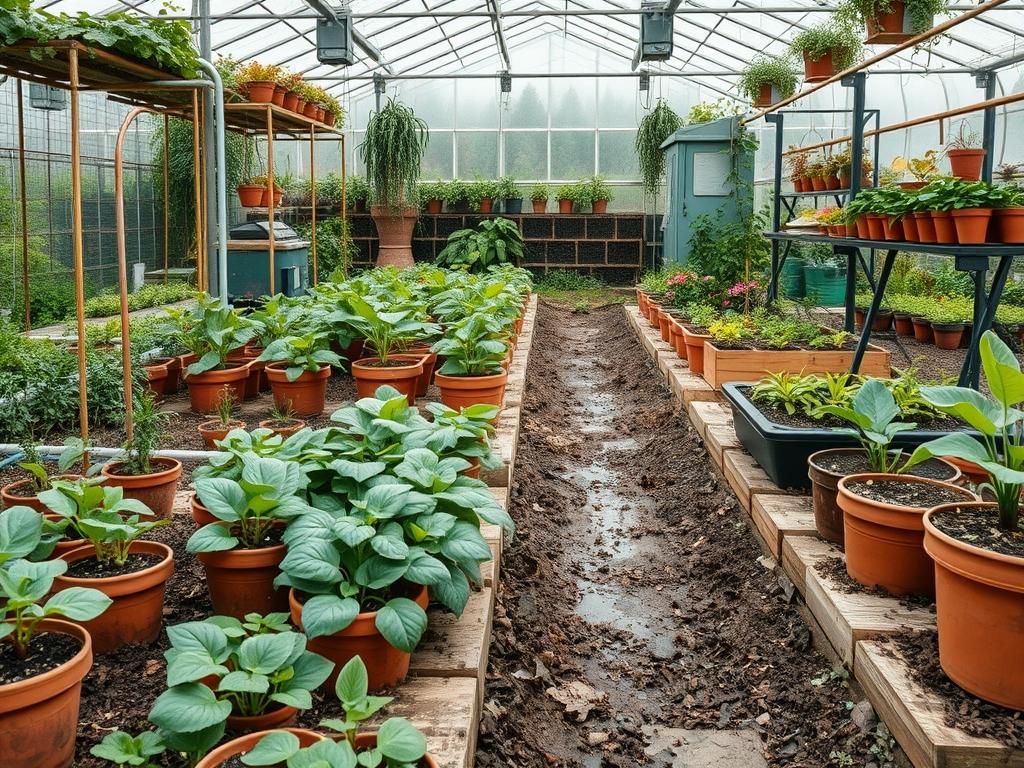
Achieving a high-end landscape that embodies the concept of purity requires more than just selecting white blossoms. It demands a rigorous site analysis and a deep understanding of horticultural synergy. In professional landscape architecture, we define purity as a state of aesthetic clarity and ecological balance. This approach seeks to eliminate visual clutter while fostering a self-sustaining environment where plants support one another through nutrient exchange, pest management, and microclimate regulation. To successfully implement a design based on companion planting for purity, a consultant must account for localized soil density, topological drainage patterns, and the specific sunlight intervals that dictate metabolic success. Curb appeal is significantly improved when a property utilizes a deliberate, monochromatic, or harmonious color palette. This creates a sense of spatial expansion and refined tranquility. Beyond the visual benefits, functional goals include the reduction of synthetic inputs and the creation of cooling “green zones” that mitigate heat island effects around the residence.
Landscape Design Principles
Effective garden planning begins with the principle of symmetry. While modern designs may lean toward asymmetrical balance, the underlying geometric relationships provide the necessary structure to support a “purity” theme. We look for focal points, such as a large Arborvitae or a carved stone plinth, to anchor the gaze. Elevation layers are equally critical. By staggering plant heights, we ensure that every specimen receives adequate airflow and light penetration. A typical high-performance bed consists of a tall background layer, a mid-tier structural layer, and a low-growing groundcover or border.
Irrigation planning must be integrated into the initial design phase to prevent water waste and root rot. We prefer sub-surface drip irrigation systems that deliver moisture directly to the root zone, which maintains the pristine appearance of the foliage by avoiding water spotting. Walkways should be designed to facilitate intuitive flow through the site, using materials like Flagstone or Decomposed Granite to provide a firm, permeable surface. Visual balance is achieved when the mass of the planting beds scales appropriately with the architectural mass of the home. This creates a seamless transition between the built environment and the natural landscape.
Plant and Material Selection
The following table outlines ten essential combinations for specialized companion planting for purity. These pairings are selected for their aesthetic cohesion and biological compatibility.
| Plant Combination | Sun Exposure | Soil Needs | Water Demand | Growth Speed | Maintenance Level |
| :— | :— | :— | :— | :— | :— |
| Rosa ‘Iceberg’ & Lavandula | Full Sun | Well-drained, neutral | Moderate | Moderate | High |
| Buxus & White Tulips | Full to Part Sun | Rich, loamy | Moderate | Slow | Medium |
| Hydrangea & Hosta | Part Shade | Moist, organic | High | Moderate | Medium |
| Stachys byzantina & Cosmos | Full Sun | Sandy, dry | Low | Fast | Low |
| Trachelospermum & Clematis | Sun to Shade | Adaptable | Moderate | Fast | Medium |
| Lilium ‘Casa Blanca’ & Ferns | Part Shade | Acidic, hummus-rich | High | Moderate | High |
| Ipomoea alba & Nicotiana | Full Sun | Average, moist | Moderate | Fast | Low |
| Paeonia & Nepeta | Full Sun | Deep, fertile | Moderate | Slow | Medium |
| Digitalis ‘Alba’ & Woodruff | Full to Part Shade | Moist, woodland | Moderate | Moderate | Low |
| Iberis & Lobularia | Full Sun | Gritty, well-drained | Low | Moderate | Low |
Implementation Strategy
The transition from a blueprint to a physical garden requires a meticulous execution of site preparation. Initial grading is the most critical step; use a Laser Level to ensure a minimum 2 percent slope away from the foundation of the house. This prevents hydrostatic pressure from damaging the basement walls and ensures that surface runoff moves toward designated French Drains or Bioswales. Once the grade is established, the soil must be tested for N-P-K (Nitrogen, Phosphorus, and Potassium) levels and organic matter percentage. We recommend tilling in 4 inches of composted leaf mold to improve soil structure and microbial activity.
Edging provides the clean lines synonymous with purity. Use 14-gauge Steel Edging or Concrete Curbing to create a permanent barrier between turf grass and planting beds. This prevents the encroachment of invasive rhizomes and maintains the crisp aesthetic of the design. When installing the plants, ensure the root ball is level with or slightly above the surrounding soil grade to prevent “collar rot.”
After planting, applying a consistent 3-inch layer of triple-milled hardwood mulch is essential. This depth is sufficient to suppress weed germination while retaining soil moisture. In areas with high foot traffic, incorporate Stepping Stones bedded in Polymeric Sand to minimize soil compaction around the delicate root systems of your pure white cultivars. Finally, install a professional-grade LED Low-Voltage Lighting system to highlight the garden at night, as white flowers are particularly luminous under moonlight.
Common Landscaping Failures
A frequent mistake in high-end projects is the neglect of subsurface drainage. Even the most resilient plants, such as Hydrangeas, will suffer from chlorosis or root death if they are subjected to “wet feet” caused by clay-heavy impoundment. Another common failure is root overcrowding. Designers often prioritize immediate “fullness” over long-term health, leading to competition for resources. Always research the mature width of a species and space specimens accordingly; a Boxwood that is 2 feet wide at purchase may eventually reach a 4-foot diameter.
Soil compaction is a “silent killer” in suburban landscapes. Heavy machinery used during construction can compress soil to the density of concrete, preventing oxygen from reaching roots. A landscape consultant should always advocate for mechanical aeration or the application of liquid soil conditioners before planting begins. Furthermore, improper irrigation scheduling, like frequent shallow watering, encourages weak, surface-level root systems. We advise longer, less frequent watering cycles to encourage deep root penetration, which increases the plant’s drought tolerance.
Seasonal Maintenance
Spring is the season for revitalization. Begin by removing any winter debris and applying a balanced 10-10-10 slow-release fertilizer to support emerging growth. This is also the ideal time for structural pruning of woody shrubs like Viburnum to maintain their intended form. Check your irrigation emitters for clogs and ensure the controller is set for spring precipitation levels.
Summer focuses on moisture management and aesthetic upkeep. Deadheading spent blossoms on Roses and Catmint is necessary to stimulate a second flush of flowers. Monitor for pests like aphids or Japanese beetles, which can quickly mar the “purity” of white petals. Using an Organic Neem Oil spray is an effective, low-impact way to manage these issues without harming beneficial pollinators.
Autumn is dedicated to preparation and planting. This is the prime window for installing spring-flowering bulbs like Lilies and Allium. Cut back herbaceous perennials that have turned brown, but consider leaving some seed heads for winter texture. Replenish any thin spots in the Mulch to provide winter insulation for the root zones.
Winter management is largely protective. In colder climates, use Burlap Screens to shield evergreen specimens from desiccating winds. Avoid using salt-based de-icers near planting beds, as the runoff can increase soil salinity and kill sensitive plants. Instead, use sand or gravel for traction on walkways adjacent to your garden beds.
Professional Landscaping FAQ
What is the best way to maintain white flower purity?
Ensure consistent irrigation and deadhead spent blooms immediately. Use Organic Neem Oil to prevent fungal spotting and insect damage, which are more visible on white petals. Maintain a 3-inch mulch layer to prevent soil splashing onto low-growing flowers.
How do I choose between native and ornamental plants?
Prioritize Native Plants for the structural backbone of the garden to ensure resilience. Supplement with high-performance ornamental cultivars for specific colors or textures. This combination balances ecological health with the refined aesthetic required for a purity-themed landscape.
Why is drainage more important than soil quality?
Poor drainage causes immediate plant mortality through oxygen deprivation and fungal infection. While soil quality can be amended over time with Compost and Fertilizers, correcting drainage issues after a landscape is installed is expensive and highly disruptive.
Can I achieve a purity garden in full shade?
Yes, by using shade-tolerant species like White Hostas, Bleeding Hearts, and Japanese Forest Grass. These plants often feature variegated white foliage, which brightens dark corners and maintains the clean, sophisticated look of a purity-focused design.
What is the most durable edging material for clean lines?
Core-Ten Steel or galvanized steel edging is the industry standard for durability. It provides a thin, nearly invisible profile that prevents grass encroachment and holds its shape against frost heave much better than plastic or wood alternatives.