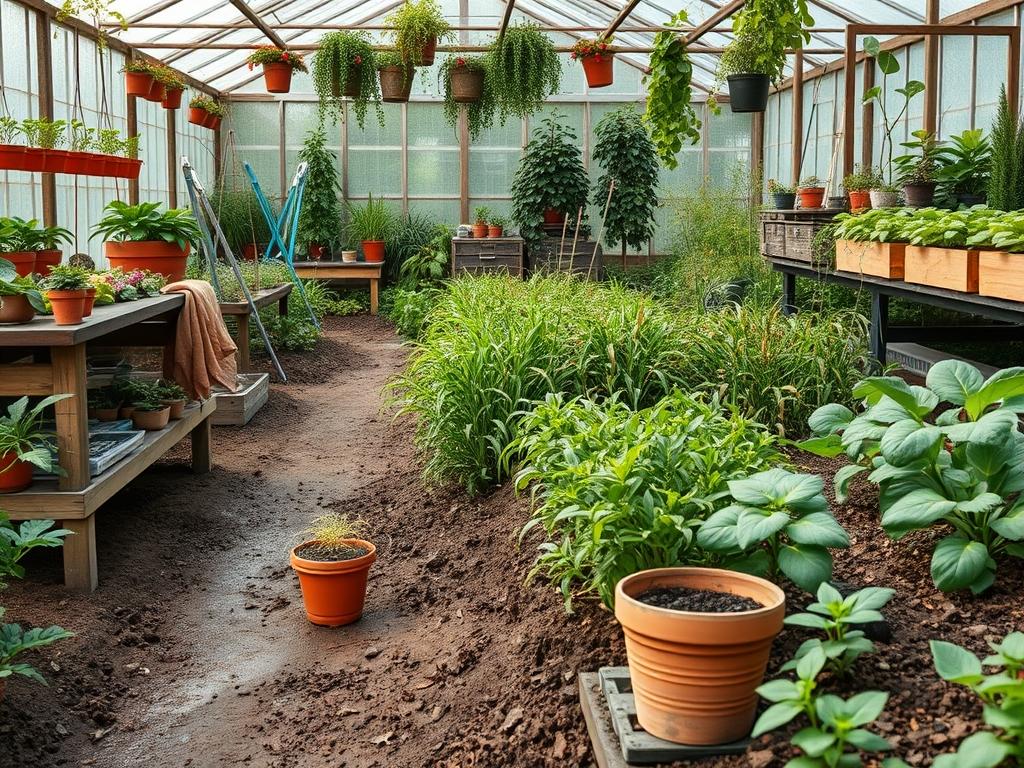
Starting a landscape project often begins with the urge to clear the slate by tilling the earth, yet modern landscape architecture suggests a more sophisticated approach. The conventional method of overturning soil disrupts complex biological networks that take years to form. No-dig gardening basics revolve around the preservation of these subterranean ecosystems to enhance plant vitality, reduce labor, and improve long term curb appeal. By choosing a no-dig methodology, you are not merely planting a garden; you are engineering a living sponge that manages water runoff and supports structural integrity for the entire property. This technique is particularly effective in residential settings where soil quality may have been compromised during home construction. Instead of fighting against compacted “builder’s sand” or heavy clay, a professional no-dig system builds upward, creating a nutrient dense environment that looks intentional and remains functional throughout the fiscal year.
A successful outdoor environment must balance aesthetic goals with environmental realities. In regions with heavy precipitation, the no-dig method acts as a natural buffer, preventing the erosion that frequently plagues tilled beds. Conversely, in arid climates, the thick organic layers inherent in this system act as a protective barrier, keeping root zones cool and moisture levels consistent. From a consultant’s perspective, the goal is to create a landscape that requires fewer chemical interventions and less mechanical maintenance over time. By focusing on soil health as the foundation of design, we insure that the investment in high quality nursery stock is not wasted on a hostile transition into the ground.
Landscape Design Principles
In professional landscape architecture, every element must serve a dual purpose of form and function. Symmetry is often used to guide the eye toward a focal point, such as a high end stonework installation or a specimen tree. When applying no-dig gardening basics to a formal layout, we use elevation layers to create depth. By stacking organic materials like compost and arborist wood chips, we naturally raise the bed height by 6 inches to 12 inches, which provides a built-in framing effect similar to a low retaining wall. This slight elevation defines the transition between manicured turf and planting zones, establishing a clean visual hierarchy that enhances the property’s architectural lines.
Focal points within a no-dig system should be anchored by long lived perennials or structural shrubs. Because we are not digging deep holes and disturbing the surrounding soil, we must plan for the ultimate spread of the root systems within the new aerobic layers. Irrigation planning must also be integrated into the initial design. Drip irrigation tubing is ideally placed directly on top of the initial weed barrier, such as non-glossy cardboard, and then covered with layers of organic matter. This hides the mechanical components while delivering water directly to the root zone, reducing evaporation and preventing the weed germination that common overhead sprinklers encourage.
Walkways and paths provide the necessary negative space to balance lush planting beds. In a no-dig environment, these paths can be constructed using permeable materials like crushed limestone or pea gravel. Keeping these paths at a slightly lower elevation than the planting beds encourages water to flow into the soil rather than pooling on the hardscaping. This create a visual balance where the “soft” elements of the garden appear to rise out of the “hard” elements of the walkways, a hallmark of professional spatial planning.
Plant and Material Selection
Selecting the right biological components is critical for a no-dig system to thrive. We prioritize species that thrive in “pure soil” environments where fungi and beneficial bacteria are undisturbed. The following table outlines professional recommendations for a resilient, multi layered landscape.
| Plant Type | Sun Exposure | Soil Needs | Water Demand | Growth Speed | Maintenance Level |
| :— | :— | :— | :— | :— | :— |
| Echinacea Purpurea | Full Sun | High Organic | Moderate | Fast | Low |
| Buxus Sempervirens | Part Shade | Well Drained | Moderate | Slow | Medium |
| Hostas | Full Shade | Moist/Rich | High | Medium | Low |
| Panicum Virgatum | Full Sun | Various | Low | Fast | Low |
| Hydrangea Macrophylla | Part Sun | Rich/Loamy | High | Medium | Medium |
| Lavandula Angustifolia | Full Sun | Lean/Gravelly | Low | Medium | Medium |
The material selection for the “no-dig sandwich” is just as important as the plants themselves. You will need a high volume of well-rotted compost to serve as the primary growing medium. For a standard 100 square foot area, anticipate needing at least 1 cubic yard of material to achieve a 3 inch depth. Additionally, brown cardboard serves as the primary suppressant for existing turf or weeds. Ensure all plastic tape and staples are removed before installation to maintain soil purity.
Implementation Strategy
The transition to a no-dig landscape begins with site preparation and grading. Even though we are not digging, we must ensure the existing ground slopes away from the home’s foundation at a minimum of 2 percent grade. If there are low spots where water collects, these should be addressed with a French drain or drainage tile before the layering process begins. Once the grade is established, the first step is to mow the existing vegetation as short as possible, leaving the clippings in place to provide a quick burst of nitrogen.
Next, lay down the cardboard weed barrier, overlapping the edges by at least 6 inches to prevent aggressive grasses from creeping through the seams. Thoroughly soak this layer with water to begin the decomposition process and to help it conform to the contours of the earth. On top of the cardboard, apply a 2 inch layer of nutrient dense compost. This serves as your immediate planting medium. If you are planting larger shrubs, you can simply cut a “V” shape through the cardboard to tuck the root ball into the existing soil, but for smaller perennials and groundcovers, the compost layer alone is often sufficient for initial growth.
The final layer consists of mulch, which should be applied to a depth of 2 to 3 inches. Hardwood mulch is preferred for its longevity and aesthetic appeal, though pine straw is an excellent alternative for acid loving plants like Azaleas. Use an edging tool to create a sharp, vertical trench between the new bed and the lawn. This “Victorian edge” is a cost effective way to keep the mulch contained and gives the garden a professional, manicured finish without the need for plastic or metal edging products.
Common Landscaping Failures
One of the most frequent mistakes in no-dig gardening basics is poor drainage management. While adding layers of organic matter improves soil structure, if the base layer is heavily compacted clay, it can create a “bathtub effect” where water sits at the interface of the new soil and the old ground. This leads to root rot and anaerobic conditions. To prevent this, professional installers sometimes use a broadfork to gently aerate the ground without overturning it, allowing air and water to penetrate deeper into the subsoil.
Another common failure is root overcrowding. Because the top layers of a no-dig bed are so nutrient rich, plants often grow much faster than anticipated. Failure to follow the spacing recommendations on plant tags can result in a tangled mass of vegetation that lacks proper airflow, leading to powdery mildew and other fungal diseases. Furthermore, using “hot” or unfinished manure can burn delicate root systems. Always ensure your compost has been fully thermophilically processed and smells like sweet earth rather than ammonia.
Irrigation inefficiency can also undermine the system. Because the mulch layer is so effective at retaining moisture, it is easy to overwater. Professionals use a soil moisture meter to check the hydration levels beneath the mulch before activating the irrigation system. If the soil feels damp 2 inches down, supplementary watering is likely unnecessary. Finally, neglecting the edges allows the lawn to invade the rich soil of the beds, quickly turning a high end landscape into a maintenance nightmare.
Seasonal Maintenance
Landscape management is a year round commitment that changes with the cycles of the environment. In the spring, the focus is on replenishment. As the winter snow melts and the organic layers settle, you should add a fresh 1 inch layer of compost to replace what was consumed by soil organisms over the winter. This is also the time to prune any dead wood from deciduous shrubs and to check the drip irrigation lines for leaks or clogs caused by winter frost.
Summer maintenance is primarily about hydration and monitoring. During periods of extreme heat, the mulch layer may thin out; refreshing it will prevent the soil from baking and cracking. It is also the peak season for identifying any nutrient deficiencies, which can be addressed with an organic liquid fertilizer or compost tea applied directly to the base of the plants. In autumn, do not remove fallen leaves from the beds. Instead, shred them with a mulching mower and leave them in place. This “leaf mold” is a free source of carbon that will feed the mycelium networks over the winter.
Winter is the time for structural assessment and planning. With the foliage gone, the “bones” of the landscape are visible. Use this time to inspect retaining walls, walkways, and lighting fixtures. Minimal intervention is required for the soil itself during the dormant season, as the cold temperatures slow down biological activity. Protecting the soil surface from heavy foot traffic is essential, as treading on wet, frozen ground can undo months of work by causing new compaction issues.
Professional Landscaping FAQ
How long does it take for the cardboard to decompose?
Under normal conditions with adequate moisture, cardboard typically breaks down within 3 to 6 months. During this time, earthworms migrate to the surface to consume the fiber, naturally aerating the soil and creating channels for plant roots.
Can I use no-dig methods on a steep slope?
Yes, but you must secure the layers. Use jute netting or biodegradable stakes to hold the cardboard and mulch in place until the root systems of your groundcovers or native grasses can anchor the soil naturally.
Is it necessary to remove existing weeds first?
Large woody weeds or saplings should be removed manually. However, standard lawn grass and small annual weeds can be smothered directly. The lack of light and the weight of the compost will terminate most common garden weeds effectively.
What is the best type of mulch for a no-dig bed?
For long term landscape stability, arborist wood chips or shredded cedar are ideal. They decompose slowly, provide excellent thermal protection, and offer a neutral aesthetic that complements most architectural styles while supporting beneficial fungal growth.
Will no-dig gardening attract pests like termites?
Maintain a 12 inch gap of dry space or decorative stone between your organic mulch and the home’s wooden foundation. This distance, combined with proper drainage, prevents moisture buildup and discourages wood destroying organisms from migrating toward the structure.