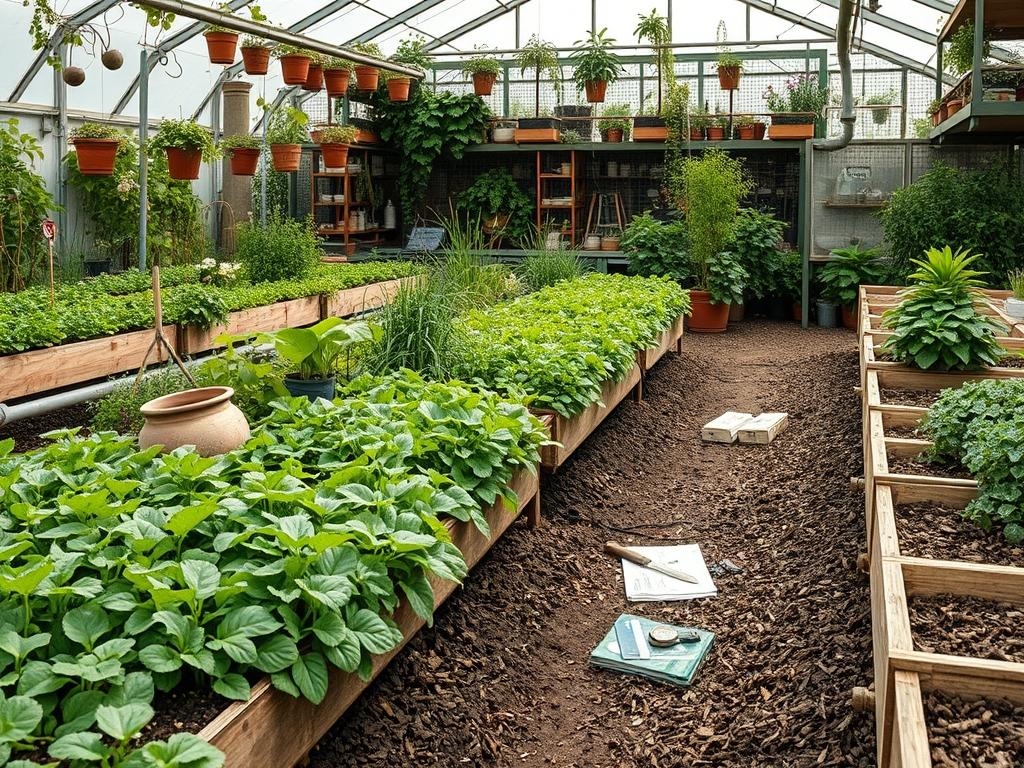
Integrating heirloom seed preservation into a professional landscape design requires a sophisticated balance between aesthetic appeal and biological function. Traditionally, residential landscaping emphasizes static beauty through manicured lawns and ornamental shrubs, yet the preservation of genetic diversity demands a more dynamic approach. A landscape architect must treat the garden as a living laboratory where every elevation change, irrigation line, and hardscape element serves the primary goal of protecting plant health and seed purity. Climate considerations are paramount; the site must be analyzed for its specific USDA hardiness zone while also accounting for the nuances of the local microclimate. Factors such as wind patterns, sunlight duration, and heat retention from nearby structures can drastically alter the success of a seed-saving program. By prioritizing productive landscaping, a property owner can maintain exceptional curb appeal while contributing to the global movement of botanical conservation.
Landscape Design Principles
Effective landscape design for heirloom preservation begins with spatial zoning. To prevent cross-pollination between different varieties of the same species, the layout must utilize physical distance and biological barriers. For example, if a gardener intends to save seeds from two distinct varieties of Cucurbita pepo, the architecture of the garden must provide enough separation to maintain genetic integrity. This is often achieved through the use of focal points and elevation layers. By placing one variety on an elevated terrace and another in a sunken garden bed, the physical relief helps manage the movement of insects and wind. Symmetry is also useful in this context. A formal, symmetrical parterre garden provides clear boundaries for different plant families, making it easier to track and isolate specific heirloom varieties without sacrificing the visual order expected in a high-end landscape.
Irrigation planning is another critical design principle. Surface-level drip irrigation is preferred over overhead spraying to keep the foliage dry, which minimizes the risk of fungal pathogens that can damage developing seed pods. The design should incorporate PVC Piping or Polyethylene Tubing buried beneath a layer of mulch to ensure water reaches the root zones directly. Walkways and paths further define these zones. Using Pea Gravel, Flagstone, or Decomposed Granite for paths ensures that the gardener can access plants for monitoring and harvest without compacting the soil near the critical root zones. This structural balance ensures that the garden remains a functional workspace that looks like a professionally curated estate.
Visual balance is maintained through the strategic use of verticality. Integrating Wooden Trellises, Arbors, or Teepee Structures allows for the cultivation of climbing heirlooms like Pole Beans or Vining Tomatoes. These structures act as architectural accents that draw the eye upward, softening the transition between the horizontal garden beds and the vertical lines of the home. When these plants reach the end of their cycle and begin to brown as the seeds dry, the surrounding ornamental shrubs and evergreen hedges provide a green backdrop that hides the necessary decay of the maturing seed heads, preserving the overall beauty of the landscape.
Plant and Material Selection
Selecting the right plant material and infrastructure is the foundation of a successful heirloom garden. The following table provides a guide for common species kept for seed.
| Plant Type | Sun Exposure | Soil Needs | Water Demand | Growth Speed | Maintenance Level |
| :— | :— | :— | :— | :— | :— |
| Lactuca sativa (Lettuce) | Partial Shade | Rich, Loamy | Moderate | Fast | Low |
| Solanum lycopersicum (Tomato) | Full Sun | Well-Drained | High | Medium | High |
| Phaseolus vulgaris (Bean) | Full Sun | Sandy Loam | Low | Fast | Medium |
| Brassica oleracea (Kale) | Full Sun | Heavy Clay/Silt | Moderate | Slow | Medium |
| Cucurbita maxima (Squash) | Full Sun | High Organic Matter | High | Fast | High |
| Capsicum annuum (Pepper) | Full Sun | Light, Sandy | Moderate | Medium | Low |
For hardscaping materials, we recommend using Natural Cedar for raised beds because of its rot resistance and aesthetic warmth. Steel Edging provides a clean, modern line that prevents the encroachment of invasive turf grasses into the seed-saving areas. Shredded Bark Mulch or Pine Straw should be applied at a depth of 3 inches to regulate soil temperature and moisture, which are vital for seed development and plant stability.
Implementation Strategy
The implementation of an heirloom preservation landscape begins with professional grading. Proper site preparation ensures that water moves away from the foundation of the home while avoiding stagnant pools in the garden beds. A slight slope of 1 to 2 percent is ideal for most garden areas. If the terrain is naturally steep, Retaining Walls constructed from Cast Stone or Boulders should be used to create level planting tiers. These walls not only manage erosion but also act as thermal masses, absorbing heat during the day and radiating it back to the plants at night, which extends the growing season for seed maturation.
Once grading is complete, the irrigation system must be installed. Subsurface systems are the gold standard for landscape architects focused on sustainability. After the mechanicals are in place, the soil must be amended. We suggest a mix of 60 percent screened topsoil, 30 percent organic compost, and 10 percent coarse sand. This ensures optimal drainage and nutrient availability. Edging is then installed to demarcate the beds from the lawn. When planting, pay close attention to the specific spacing requirements for each heirloom variety to ensure adequate airflow. For example, Tomatoes should be spaced at least 24 to 36 inches apart to prevent the spread of blight, which can compromise seed quality. Finally, a layer of high-quality mulch is applied to finish the look and protect the soil biology.
Common Landscaping Failures
One of the most frequent failures in garden planning is poor drainage. If water sits at the roots, the plant will suffer from anaerobic conditions, leading to root rot and preventing the seed from ever reaching maturity. Proper Drainage Tiles or French Drains can mitigate these issues in heavy clay soils. Another common mistake is root overcrowding. Designing beds that are too small for the aggressive root systems of plants like Squash or Melons leads to stunted growth and poor seed viability. Gardeners must resist the urge to overplant for the sake of immediate visual fullness.
Improper spacing also leads to cross-pollination. If a gardener plants two types of Corn within 50 feet of each other, the resulting seeds will be hybrids rather than pure heirlooms. A professional landscape must account for these isolation distances or utilize physical barriers like high Privacy Fences or non-flowering evergreen screens to disrupt wind-borne pollen. Soil compaction is another silent killer. High-traffic areas must be clearly defined with hardscaping to prevent people from walking directly on the soil, which crushes the pore space needed for oxygen and water infiltration. Lastly, inefficient irrigation often involves watering the leaves rather than the soil, which invites powdery mildew and other pathogens that ruin the seed crop.
Seasonal Maintenance
Maintenance in an heirloom landscape follows the rhythm of the plant life cycle. In the Spring, the focus is on soil preparation and the installation of young seedlings. This is the time to check irrigation emitters for clogs and to apply a fresh layer of mulch. As the weather warms into Summer, the priority shifts to pest management and support. Staking and tying plants using Jute Twine ensures that heavy seed heads do not snap the stems. Deadheading is avoided for any plants intended for seed harvest, although thinning may be necessary to direct the plant’s energy into produce the most robust seeds.
In the Autumn, the landscape takes on a more rustic appearance as plants are allowed to dry in situ. This is the critical window for seed collection. Once the seeds are harvested, the spent plant material should be comported, provided it is disease-free. Winter is the season for infrastructure repair and planning. Evaluate the performance of the landscape, prune any surrounding ornamental trees to ensure full sun access for the coming year, and service all gardening tools. This cyclical approach ensures the garden remains both a productive resource and a premiere outdoor environment.
Professional Landscaping FAQ
How do I prevent cross-pollination in a small backyard?
Use physical barriers like Mesh Cages or Tents to isolate specific flowers. Alternatively, time your plantings so that different varieties bloom at different weeks to ensure no overlap occurs during the pollination phase.
What is the best mulch for an heirloom garden?
Triple-Shredded Hardwood Mulch or Clean Straw are excellent choices. These materials provide superior moisture retention and weed suppression while eventually breaking down into rich organic matter that fuels the next generation of heirloom plants.
How do I hide the messy look of plants going to seed?
Integrate your seed-producing plants behind a mid-sized evergreen hedge or decorative Boxwood border. This allows the plants to reach full maturity and dry out while the formal edge maintains a clean, professional aesthetic for the property.
Can I save seeds from plants grown in containers?
Yes, but ensure the containers are at least 15 to 20 gallons for larger plants like tomatoes. Use high-quality potting soil and monitor moisture levels closely, as containers dry out much faster than ground-level garden beds.
Does elevation affect seed quality?
Higher elevation beds often have better drainage and airflow, which reduces the risk of rot. However, they may also be more exposed to wind, which can carry unwanted pollen or cause physical damage to tall, brittle seed stalks.