
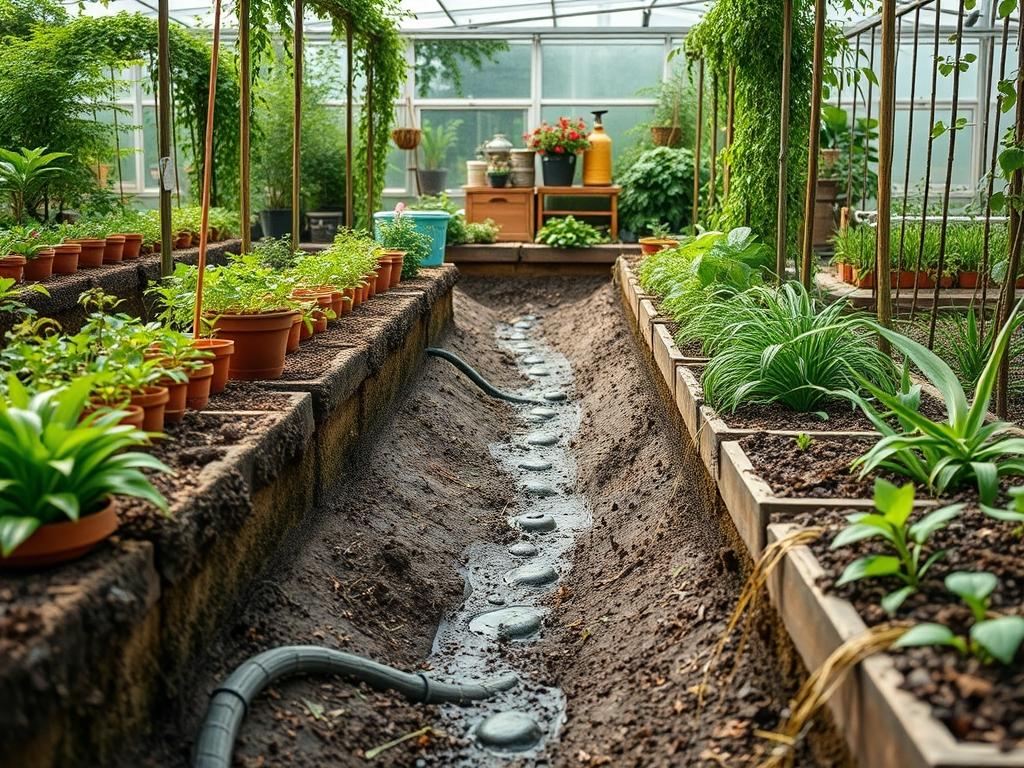
Modern landscape design is currently undergoing a significant paradigm shift. For decades, the primary goal of residential drainage was to move water off a property as quickly as possible through pipes and gutters. This approach often results in local flooding, soil erosion, and the loss of valuable moisture that could otherwise sustain a lush garden. By integrating rain harvesting swales into your yard, you transform the landscape from a passive area into a functional, self-watering ecosystem. These features, often called bioswales or infiltration trenches, are shallow, vegetated depressions designed to capture, treat, and infiltrate stormwater runoff. Beyond their ecological utility, well-designed swales enhance curb appeal by adding topographical interest and a sense of deliberate structure to the outdoor environment. They turn the challenge of heavy rainfall into a resource, ensuring that your investment in flora is protected against the volatility of seasonal droughts.
Landscape Design Principles
Effective swale design begins with an understanding of site hydrology and the visual language of the garden. While a swale is technically a utility feature, it must adhere to the core principles of landscape architecture to look intentional rather than accidental. Visual balance is the first priority. A swale should curve naturally with the existing contours of the land rather than cutting across them in a jarring, straight line. This organic movement mimics a dry creek bed, providing a focal point that guides the eye through the yard. By using elevation layers, you can create a sense of depth. The bottom of the swale represents the lowest point, while the edges can be built up into berms, creating varied heights that support different plant communities.
Symmetry can be difficult to achieve with water harvesting, so designers often rely on asymmetrical balance. This involves placing larger elements, such as a River Birch or a cluster of large boulders, on one side of the swale to offset a mass of smaller grasses on the other. Irrigation planning is also simplified with this layout. Because the swale acts as a passive water delivery system, you can group plants by their water needs, a practice known as hydrozoning. Walkways should be integrated thoughtfully; a wooden footbridge or a series of large flagstone stepping stones crossing the swale adds a sense of destination and functionality to the space.
Plant and Material Selection
The following table provides a selection of species specifically suited for the varying moisture conditions found in a rain harvesting swale.
| Plant Type | Sun Exposure | Soil Needs | Water Demand | Growth Speed | Maintenance Level |
| :— | :— | :— | :— | :— | :— |
| Panicum virgatum (Switchgrass) | Full Sun | Any / Loam | Moderate | Fast | Low |
| Iris versicolor (Blue Flag Iris) | Full / Part Sun | Wet / Clay | High | Medium | Medium |
| Betula nigra (River Birch) | Full / Part Sun | Moist / Acidic | High | Fast | Moderate |
| Asclepias incarnata (Swamp Milkweed) | Full Sun | Wet / Rich | High | Medium | Low |
| Carex pensylvanica (Sedge) | Part / Full Shade | Moist / Well-drained | Moderate | Medium | Low |
| Physocarpus opulifolius (Ninebark) | Full / Part Sun | Varied | Moderate | Fast | Low |
For materials, use river rocks of varying sizes, typically ranging from 1 inch to 6 inches in diameter, to line the base of the swale. This prevents soil erosion during heavy flow. Incorporate hardwood shredded mulch on the side slopes to retain moisture and suppress weeds. Avoid using light, buoyant barks that will float away during the first significant storm.
Implementation Strategy
The construction of a self-watering yard requires a systematic approach to grading and earthworks. Begin by identifying the natural flow of water on your property. You can find the contour lines using an A-frame level or a laser level to ensure the bottom of your swale is perfectly level along its length. If the swale is on a level contour, the water will sit and soak in rather than flowing to a single low point. Excavate the basin to a depth of 12 inches to 18 inches, making sure the width is at least three times the depth to maintain a gentle, natural-looking slope.
Once the trench is dug, use the excavated soil to create a berm on the downhill side of the swale. This mound helps trap the water within the system. After grading is complete, add a 2 inch layer of coarse sand or fine gravel if your native soil is heavy clay, as this aids in initial infiltration. Edging is crucial for a professional finish; use a spade to create a clean break between the swale and any surrounding lawn. Finally, install your hardscaping elements, such as boulders or cobblestones, and apply a 3 inch layer of organic mulch to all terrestrial planting areas.
Common Landscaping Failures
The most frequent mistake in swale construction is the creation of a “bathtub effect.” This occurs when a swale is dug into heavy clay soil without any soil amendments or overflow planning, causing water to sit stagnant for more than 48 hours. This can lead to root rot and mosquito breeding. Another failure involves improper slope ratios. If the sides of the swale are too steep, the soil will collapse, and the mulch will wash to the bottom, suffocating the plants in the basin.
Root overcrowding is also a concern. Homeowners often plant too many species too close together, forgetting that the increased water availability in a swale will cause plants to grow faster and larger than they would in a standard garden. Compaction of the soil during the construction phase is another silent killer. Using heavy machinery within the swale basin can pack the earth so tightly that water cannot penetrate the surface, effectively turning your rain harvest system into a paved canal. Always loosen the floor of the swale with a broadfork or tiller before final planting.
Seasonal Maintenance
Landscape management for a swale changes with the seasons but remains relatively low-effort once established. In the spring, focus on cleaning out any accumulated leaf litter or debris that might block the flow of water. This is also the time to check for erosion and replace any stones that have shifted. Check the health of your emergent plants and prune back any dead foliage from the previous year.
During the summer, monitor the swale for invasive weeds that thrive in moist environments. If a drought occurs, even a self-watering swale may require supplemental irrigation until the plants are fully mature. In the autumn, the primary goal is ensuring that falling leaves do not clog the overflow outlets. If your swale is designed with a sub-surface drainage pipe, ensure the grate is clear. Winter maintenance involves protecting the structure from salt damage if the swale is near a driveway or road. Most hardy native plants will enter dormancy, and the swale will continue to function as a groundwater recharge point even during the coldest months.
Professional Landscaping FAQ
How deep should a standard residential swale be?
A functional swale is typically 12 to 18 inches deep. The width should be at least three times the depth to ensure a gentle slope, which prevents erosion and allows for easy mowing or plant maintenance at the edges.
Will a rain harvesting swale attract mosquitoes?
If designed correctly, a swale should infiltrate all water within 24 to 48 hours. Mosquitoes require stagnant water for several days to complete their life cycle, so a well-draining swale does not create a breeding ground.
Can I build a swale on a steep slope?
Swales are most effective on slopes of less than five percent. On steeper grades, water moves too quickly and can cause significant erosion. For steep hills, consider using retaining walls or smaller, terraced check dams instead of a singular swale.
What is the best mulch for a water harvesting area?
Use double-shredded hardwood mulch because its fibrous texture allows the pieces to interlock. This prevents the mulch from floating away during heavy rain events, unlike pine bark nuggets or wood chips which migrate easily in moving water.
How do I determine where to place my swale?
Observe your yard during a heavy rainstorm to identify where water naturally pools or flows. Place the swale perpendicular to the flow of water, at least 10 feet away from your home foundation to prevent basement dampness or structural issues.