
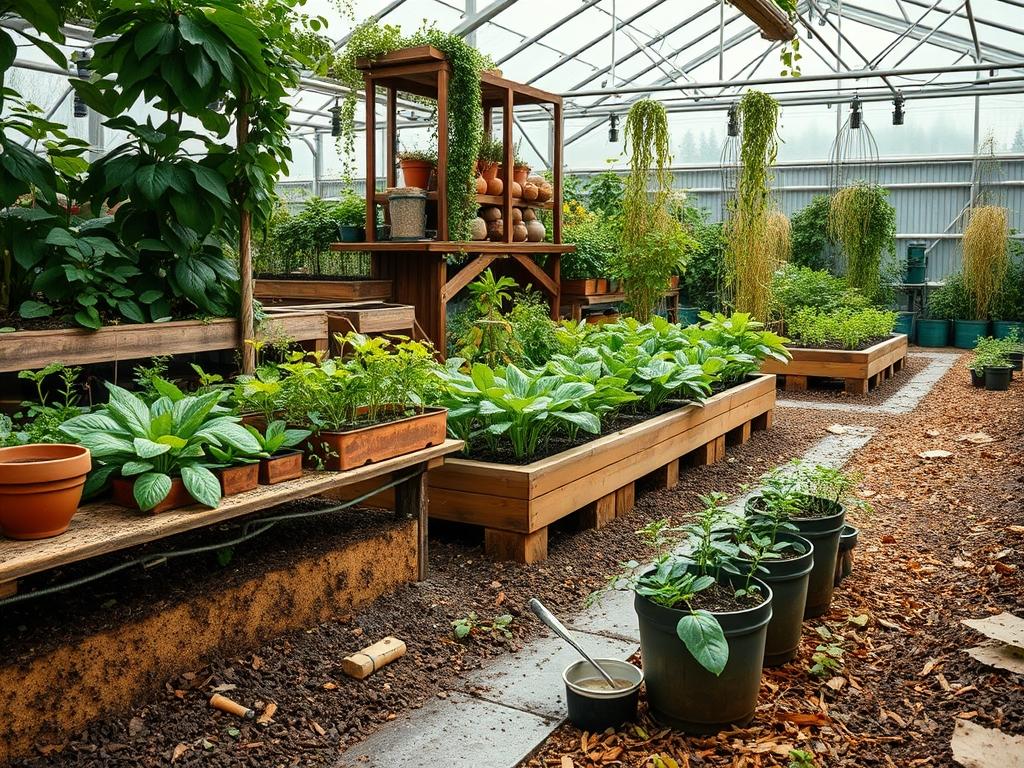
Modern landscape architecture often faces the paradox of aesthetic perfection versus biological sterility. For the discerning property owner, a lush garden should not rely on the temporary life support of synthetic fertilizers and chemical pesticides. Instead, the focus must shift toward the subterranean infrastructure of the soil itself. Building Living Humus is the most effective way to ensure long-term curb appeal, resilient native plant communities, and an outdoor environment that thrives with minimal external intervention. This process involves the transformation of raw organic matter into a stable, nutrient-dense substance through the work of beneficial fungi, bacteria, and earthworms. When a landscape designer prioritizes this biological engine, the result is a property that gains value over time rather than requiring constant, expensive chemical reapplications. Climate considerations, such as extreme heat or heavy rainfall, become easier to manage because humus-rich soil acts as both a sponge and a filter. This dual functionality is the cornerstone of sustainable outdoor design, providing the functional foundation for high-end hardscaping and lush vegetation alike.
Landscape Design Principles
Professional landscaping begins with a clear understanding of the site’s topography and its relationship to the invisible biological processes occurring beneath the surface. Symmetry and visual balance are achieved by placing structural elements in harmony with the natural flow of water and nutrients. For instance, a Focal Point, such as a heritage Oak tree, requires a vast network of healthy soil to maintain its canopy. Designers must plan for “biological corridors” where Building Living Humus can occur undisturbed by heavy foot traffic or equipment. These areas are often managed through the use of Elevation Layers, utilizing Retaining Walls to create distinct planting terraces. Terracing prevents the erosion of valuable organic topsoil while creating visual interest through vertical transitions.
Inclusion of French Drains and proper Grading ensures that water does not pool in a way that creates anaerobic conditions, which are the enemy of living humus. Instead, water should be channeled to permeate the soil slowly. Symmetrical pathways using Permeable Pavers allow for gas exchange in the soil, preventing the compaction that kills off the microorganisms responsible for creating humus. By integrating these structural elements, the landscape architect creates a framework that supports life. Focal points are not just visual ornaments; they are anchors for a complex ecosystem. Every Walkway and Retaining Wall should be viewed as a tool to direct resources toward the root zones of the most valuable specimens on the property.
Plant and Material Selection
The following selection highlights species and materials that contribute to the ongoing cycle of organic matter decomposition and soil health. Creating a diverse palette ensures that different root depths and fungal associations are represented.
| Plant Type | Sun Exposure | Soil Needs | Water Demand | Growth Speed | Maintenance Level |
| :— | :— | :— | :— | :— | :— |
| White Oak | Full Sun | Deep, Loamy | Moderate | Slow | Low |
| Purple Coneflower | Full Sun | Well-drained | Low | Moderate | Low |
| Switchgrass | Full/Part Sun | Versatile | Low | Fast | Minimal |
| Wild Bergamot | Full/Part Sun | Rich, Moist | Moderate | Fast | Moderate |
| River Birch | Full Sun | Moist, Acidic | High | Fast | Moderate |
| Blueberry Bush | Full/Part Sun | Acidic, Humus | Moderate | Moderate | High |
Selecting the right materials is equally vital. Avoid dyed mulches that may contain contaminants. Instead, prioritize Arborists Wood Chips, Leaf Mold, and Structured Compost. These materials provide the carbon and nitrogen ratios necessary for the soil food web to function efficiently. When Native Plants are paired with high-quality organic amendments, the transition toward a self-sustaining humus layer accelerates significantly.
Implementation Strategy
The transition from a sterile lot to a thriving landscape requires a disciplined, step-by-step approach to site preparation. The first phase involves Grading the land to manage runoff. Once the primary contours are established, the process of Building Living Humus begins with the elimination of invasive weeds without the use of herbicides. A technique known as Sheet Mulching is highly effective for this purpose. Lay down a layer of Plain Cardboard or several sheets of Newspaper over the existing turf. This layer acts as a physical barrier that kills grass and weeds by blocking light while providing a carbon source for earthworms.
Over the cardboard, apply a 4 inch layer of high-quality Compost. This serves as the biological inoculant for the soil. Follow this with a 6 inch layer of shredded Hardwood Mulch or Cedar Bark. This thick blanket protects the underlying biology from temperature fluctuations and prevents moisture loss. For specific planting locations, use a Post Hole Digger or a Sharp Shooter Spade to cut through the mulch and cardboard layers. Dig a hole that is 2 times as wide as the plant’s root ball but no deeper. This ensures that the newly installed plant is surrounded by a zone of loose, aerated soil that is primed for fungal colonization.
Edging is another critical component of the implementation strategy. Use Metal Edging or Stone Borders to define the transition between cultivated beds and lawn or hardscape areas. This creates a clean aesthetic while preventing the encroachment of aggressive turf grasses into the humus-building zones. Finally, ensure the Irrigation System is calibrated to deliver water via Drip Lines beneath the mulch layer. This keeps the surface dry to discourage weed seeds while maintaining the consistent moisture necessary for the microbial life within the humus to proliferate.
Common Landscaping Failures
The most frequent error in high-end landscaping is soil compaction. During construction, heavy machinery such as Excavators and Skid Steers exert immense pressure on the ground. This destroys the macropores and micropores that allow for air and water movement, effectively suffocating the soil. Without oxygen, the aerobic bacteria required for Building Living Humus perish, leading to stinky, waterlogged soil and root rot. Professional architects mitigate this by establishing “no-go zones” for heavy equipment or by utilizing Air Spades to decompact the soil after construction is complete.
Another common failure is the use of plastic landscape fabric. While it may provide short-term weed control, it creates a permanent barrier between the organic matter on the surface and the soil life below. This prevents the natural cycling of nutrients and leads to a collapsed soil structure. Over time, weed seeds simply germinate in the dust that accumulates on top of the fabric, while the plants below suffer from starvation. Similarly, over-mulching, specifically the practice of “volcano mulching” around tree trunks, traps moisture against the bark and causes decay and fungal infections. Maintain a clear space of 3 inches between the mulch and the trunk to ensure proper gas exchange.
Lastly, irrigation inefficiencies often undermine humus development. High-pressure spray heads often cause surface crusting, which prevents water from reaching the deeper soil horizons. If the soil remains dry beneath the top inch, the microbial populations will go dormant or die, halting the humus-building process. Consistent, deep watering is required to support the massive biological activity needed to turn mulch into soil.
Seasonal Maintenance
Landscape management is a year-round commitment that shifts with the biological cycles of the earth. In the Spring, the focus is on replenishment. As the ground thaws, inspect the depth of the organic layers and add a thin layer of Compost if needed. This reintroduces fresh microbes to kickstart the growing season. Ensure all Drainage channels are clear of debris to prevent spring rains from eroding the mulch.
Summer maintenance is centered on moisture retention. Check the Irrigation schedules daily during heatwaves. A healthy layer of humus can hold substantial amounts of water, but it must be protected from the sun by a thick mulch cover. Avoid any heavy digging during the hottest months, as this can disturb the fungal networks (mycelium) that are working to transport water to your plants.
Autumn is the most productive time for Building Living Humus. Instead of removing fallen leaves, shred them using a Mulching Mower and leave them in the beds. Leaves are a “gold mine” of nutrients that have been pulled up from deep in the subsoil by tree roots. They provide the perfect winter habitat for beneficial insects and the primary food source for worms during the colder months.
In Winter, the landscape is in a state of rest, but the soil biology continues at a slower pace. Use this time to inspect Hardscaping and Retaining Walls for any signs of movement due to frost heave. Avoid using salt-based de-icers near planting beds, as the sodium can destroy soil structure and kill the microbial life you have worked so hard to cultivate.
Professional Landscaping FAQ
How long does it take to see results from humus building?
Initial improvements in soil texture and plant vigor are often visible within 6 months. However, the creation of a stable, deep layer of living humus is a multi-year process that requires consistent organic inputs and minimal soil disturbance.
Can I build humus in heavy clay soil?
Yes, adding high-carbon materials like Wood Chips and Coarse Compost is the best way to manage clay. These materials break up the dense particles, improve drainage, and eventually turn heavy clay into a rich, crumbly loam.
Do I still need to use organic fertilizers?
While a humus-rich soil provides most nutrients, some high-demand plants might benefit from supplemental Kelp Meal or Fish Emulsion during their establishment phase. Once the humus layer is mature, most native plants will require no additional fertilization.
What is the ideal mulch depth for soil health?
For most landscape beds, a depth of 3 to 4 inches is optimal. This is thick enough to suppress weeds and retain moisture, but thin enough to allow for proper oxygen exchange with the atmosphere.
Is tilling necessary to incorporate the organic matter?
Tilling is generally discouraged because it shatters the delicate fungal networks and soil aggregates. Top-dressing with compost and mulch allows the natural movement of earthworms and water to incorporate the nutrients without destroying the soil’s biological architecture.