
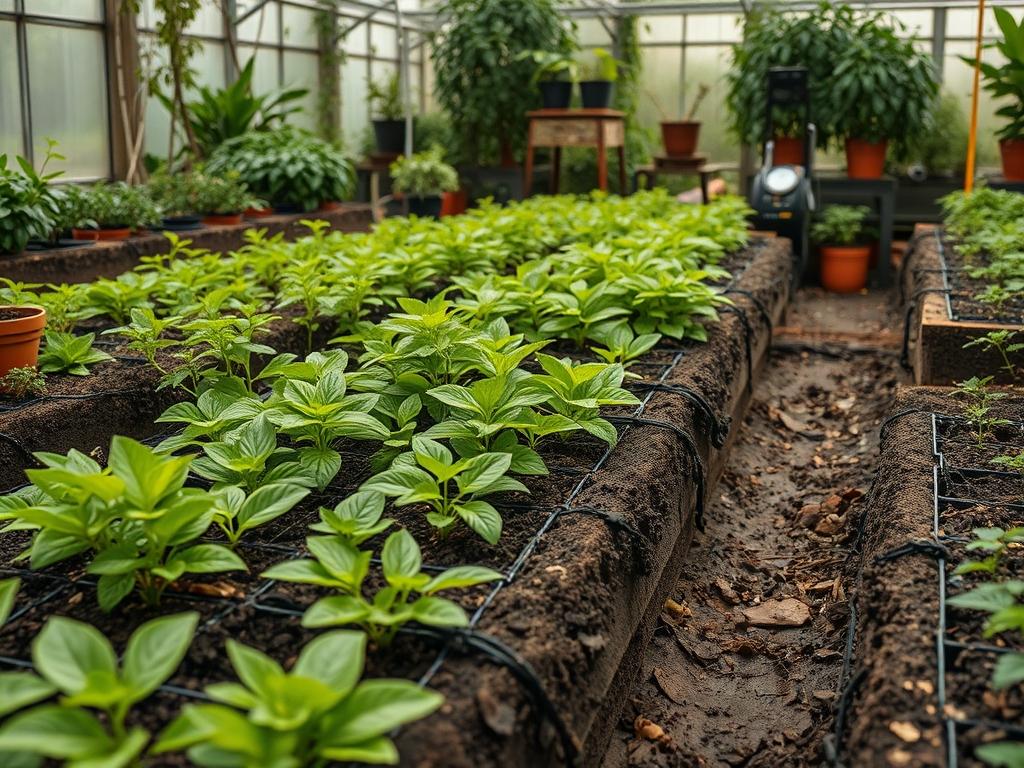
Maintaining a high-end residential landscape requires a sophisticated balance between aesthetic precision and ecological health. For the professional landscape architect or the discerning homeowner, the challenge often lies in protecting a significant financial investment from the degradations of local pests without compromising the health of the soil or the safety of the outdoor living environment. Modern luxury landscaping emphasizes longevity and sustainability; therefore, the reliance on harsh synthetic chemicals is increasingly viewed as a liability rather than a solution. These chemicals can disrupt the delicate soil microbiome, damage expensive native plants, and even degrade the integrity of hardscaping materials over time. By integrating botanical pest teas into a comprehensive management plan, you can maintain peak curb appeal while fostering a regenerative ecosystem that naturally resists infestation.
Landscape Design Principles
A successful outdoor environment is built upon foundational design principles that dictate how a space feels and functions. Symmetry and visual balance are essential for creating professional-grade curb appeal, especially when framing a home entrance or a primary retaining wall. To achieve this, designers often use focal points such as specimen trees or architectural water features to draw the eye. However, the placement of these elements must account for air circulation. High-density planting without adequate spacing frequently leads to localized humidity traps, which become breeding grounds for aphids and fungal spores.
Effective design also incorporates elevation layers, using a mix of groundcovers, mid-sized shrubs, and soaring canopy trees to create a sense of enclosure and depth. This vertical layering must be supported by strategic irrigation planning. A well-placed drip irrigation line ensures that moisture reaches the root zone without wetting the foliage, which is a primary preventative measure against mildew. Furthermore, walkways constructed from permeable pavers or flagstone should be designed to guide foot traffic away from sensitive planting beds, preventing soil compaction and allowing the root systems of your pest-repellent botanical sources to flourish.
Plant and Material Selection
Selecting the right plant material is the most critical step in creating a self-sustaining garden that provides the raw ingredients for botanical pest teas.
| Plant Type | Sun Exposure | Soil Needs | Water Demand | Growth Speed | Maintenance Level |
| :— | :— | :— | :— | :— | :— |
| Garlic (Allium sativum) | Full Sun | Well-drained Loam | 2 inches per week | Medium | Low |
| Stinging Nettle (Urtica dioica) | Partial Shade | Nitrogen-rich | High | Fast | Moderate |
| Comfrey (Symphytum officinale) | Full to Partial | Deep, moist soil | Moderate | Very Fast | Low |
| Rhubarb (Rheum rhabarbarum) | Full Sun | Heavy Compost | Frequent | Fast | Medium |
| Chrysanthemum (Pyrethrum) | Full Sun | Sandy Loam | Low | Medium | High |
| Wormwood (Artemisia) | Full Sun | Poor, dry soil | Very Low | Fast | Low |
| Peppermint (Mentha piperita) | Partial Sun | Moist/Boggy | High | Aggressive | High |
| Elderberry (Sambucus) | Full to Partial | Versatile | Moderate | Fast | Low |
| Castor Bean (Ricinus communis) | Full Sun | Rich, warm soil | Moderate | Fast | Low |
| Tomato (Solanum lycopersicum) | Full Sun | Phosphorous-rich | Consistent | Fast | High |
10 Effective Botanical Pest Teas
1. Garlic Infusion: Finely mince 100 grams of garlic bulbs and soak them in two tablespoons of mineral oil for 24 hours. Mix this with a pint of water and a small amount of liquid castile soap. This tea is exceptionally effective against aphids, mites, and certain beetles.
2. Rhubarb Leaf Decoction: The leaves of Rhubarb contain oxalic acid, which is toxic to soft-bodied insects. Boil one pound of leaves in one quart of water for 30 minutes. Once cooled and strained through a fine mesh strainer, use it to control leek moths and aphids on ornamental brassicas.
3. Stinging Nettle Slurry: Fill a five-gallon bucket halfway with fresh Stinging Nettle. Cover with rainwater and ferment for ten days. This potent brew not only repels mites but also strengthens the cellular structure of your plants due to its high silica content.
4. Comfrey Leaf Steep: Similar to nettle, Comfrey is a nutrient powerhouse. Fermenting the leaves for two weeks produces a potassium-rich liquid that helps high-value flowering shrubs resist powdery mildew and wilt.
5. Hot Pepper Spray: Process 100 grams of high-heat peppers in a blender with one quart of water. This capsaicin-heavy tea acts as a powerful deterrent for mammalian pests like rabbits and deer when sprayed on the perimeter of the landscape.
6. Tomato Leaf Soak: The alkaloids found in Tomato leaves are natural insecticides. Soak two cups of chopped leaves in two cups of water overnight. This is a targeted solution for protecting delicate perennials from aphid infestations.
7. Elderberry Fungicidal Tea: Boiling Elderberry leaves creates a solution rich in properties that combat fungal pathogens. It is particularly useful for treating black spot on roses or ornamental shrubs in damp microclimates.
8. Onion Peel Tea: Save the outer skins of onions and steep them in warm water for 48 hours. This sulfur-rich liquid helps prevent damping-off in new seedlings and provides a general repellent barrier for vegetable transition zones.
9. Wormwood Bitters: Wormwood is one of the most bitter substances in nature. A tea made from dried Artemisia leaves will deter caterpillars and moths from landing on your specimen trees.
10. Chrysanthemum Extract: The flowers contain pyrethrum, a natural neurotoxin for insects. Steep dried flower heads in hot water for one hour. Use a backpack sprayer to apply this to high-traffic floral displays during peak pest seasons.
Implementation Strategy
Planning the layout of your landscape requires a systematic approach to ensuring long-term stability. Start with professional grading to move water away from the home foundation and toward designated drainage areas like search pits or French drains. Once the levels are established, install edging made of steel or paver stones to define the boundaries between lawns and planting beds.
When planting your botanical tea sources, ensure the soil is amended with high-quality organic matter. For every 100 square feet of bed space, incorporate three cubic feet of aged compost. Apply a three-inch layer of hardwood mulch or pine bark to suppress weeds and retain moisture. Use geotextile fabric only under crushed stone walkways to allow the soil under your planting beds to breathe. Finally, ensure your irrigation system is calibrated to the specific needs of each plant zone, avoiding a “one size fits all” watering schedule.
Common Landscaping Failures
The most frequent error in professional landscaping is improper drainage management. Water that pools at the base of a retaining wall can lead to hydrostatic pressure buildup, eventually causing structural failure. Another common issue is root overcrowding. When plants are spaced too closely for “instant” curb appeal, they compete for nutrients and airflow, leading to a decline in health.
Improper mulch depth is also a concern; “mulch volcanoes” piled against the trunks of trees can cause bark rot and invite boring insects. Furthermore, soil compaction from heavy machinery during construction can suffocate root systems. Always use aeration tools to loosen the soil before final planting. Finally, many homeowners fail to account for the mature size of native plants, leading to overgrown walkways that require excessive pruning and create maintenance headaches.
Seasonal Maintenance
Winter management involves protecting sensitive woody ornamentals from frost and preparing the ground for spring. Apply a fresh layer of mulch to insulate roots and check retaining walls for cracks caused by freeze-thaw cycles. Spring is the time for soil testing and the first application of botanical pest teas as new growth emerges. Use a handheld spreader for organic fertilizers and clean out all drainage grates.
Summer requires intensive irrigation monitoring, especially during heatwaves. Prune back any aggressive growers like Peppermint to keep them from overtaking the garden. Autumn is the season for clean-up and planting spring-flowering bulbs. Collect fallen leaves to create leaf mold, which serves as an excellent soil conditioner. Ensure all irrigation lines are blown out and winterized before the first hard freeze to prevent pipe bursts.
Professional Landscaping FAQ
How often should I apply botanical pest teas?
For active infestations, apply every seven days using a pressure sprayer. For preventative maintenance, a bi-weekly application is sufficient. Always spray during the early morning or late evening to avoid foliage burn from the sun.
What is the best way to improve soil drainage?
Install a French drain or a dry creek bed using river rock and geotextile fabric. Additionally, incorporating coarse sand and organic compost into the soil helps break up heavy clay and improves percolation rates.
Can I use these teas on edible plants?
Yes, most botanical teas are safe for edibles, but you must wash produce thoroughly before consumption. Avoid using Castor Bean or Rhubarb leaf teas on parts of the plant you intend to eat, as these contain toxic compounds.
How do I prevent weeds without using chemicals?
Maintain a consistent three-inch depth of organic mulch and use cardboard as a biodegradable base layer in new beds. For walkways, ensure that polymeric sand is used between pavers to prevent seed germination in the joints.
What tools are essential for brewing botanical teas?
You will need a five-gallon bucket, a fine mesh strainer, a long-handled stirring rod, and a backpack sprayer for application. For concentrated decoctions, a large stainless steel pot used on an outdoor heating element is ideal.