
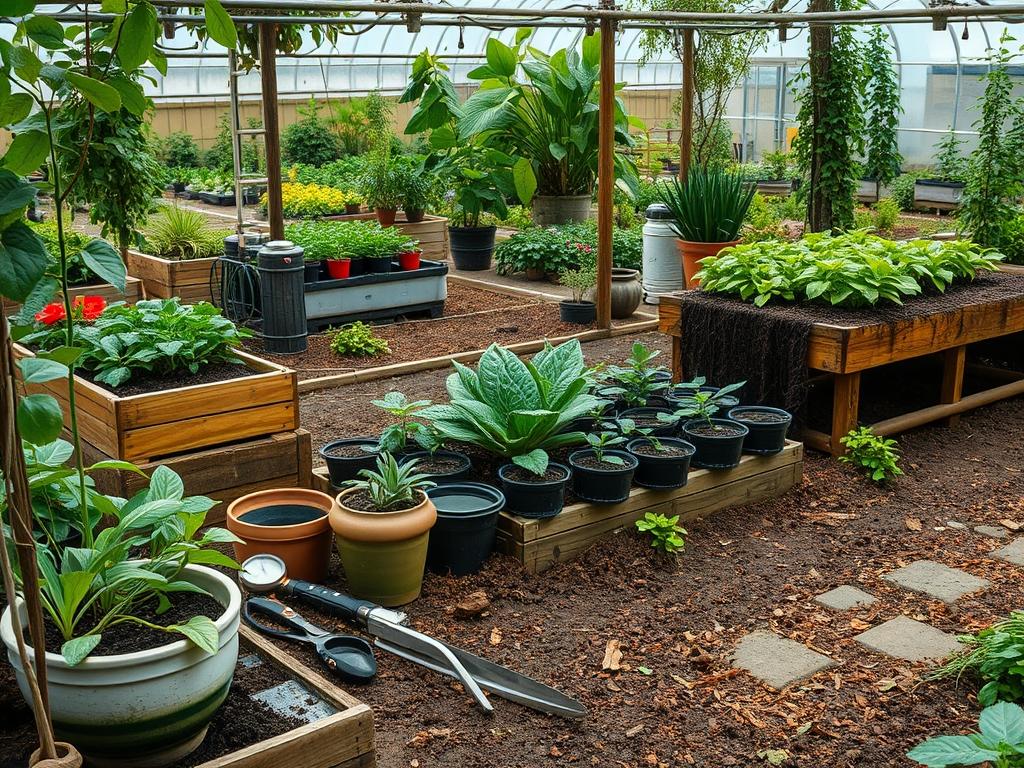
Landscape design is more than an exercise in aesthetic geometry; it is the construction of a living infrastructure. When we approach a professional site plan, the objective typically involves balancing curb appeal with outdoor functionality. One of the most significant challenges for any property manager or homeowner is the persistent threat of invasive pests that degrade plant health and compromise the visual integrity of the landscape. Traditionally, the industry relied heavily on chemical interventions. However, modern outdoor environment consultancy emphasizes the creation of a Beneficial Predator Habitat to achieve a self-regulating ecosystem. By integrating specific structural elements and biological diversity, we can manage pest populations naturally while enhancing the overall value of the estate. This approach requires a deep understanding of microclimates, soil health, and the behavioral patterns of predatory insects and birds.
The success of a landscape is often judged by its resilience. A property that requires constant spraying is not a high performing landscape; it is a fragile one. When we design for beneficial predators like Ladybugs, Lacewings, Hoverflies, and Predatory Wasps, we are essentially hiring a 24 hour security detail for the garden. These organisms require more than just food; they need specialized nesting sites and a consistent water source. Climate considerations play a vital role here. In arid regions, the design must prioritize moisture retention and shaded refuges. In more temperate zones, the focus shifts to ensuring proper drainage so that overwintering habitats do not become waterlogged and anaerobic. By viewing the garden as a functional habitat rather than a static display, we create an environment that thrives with minimal human intervention.
Landscape Design Principles
Effective habitat construction relies on the core principles of symmetry, elevation layers, and visual balance. We start with the concept of the “Edge Effect.” In professional landscaping, the transition zone between two different types of vegetation, such as a wooded perimeter and a manicured lawn, is where the highest biological activity occurs. By creating undulating borders rather than straight lines, we increase the surface area of these transition zones. This provides more hunting ground for ground beetles and spiders. Symmetry can still be maintained through the use of Retaining Walls and Hardscaping, which provide clean lines to frame the more wild, functional areas of the habitat.
Elevation layers are perhaps the most critical component of a Beneficial Predator Habitat. Insects and birds occupy different vertical niches. A well designed landscape should include a ground cover layer, a herbaceous layer, a shrub layer, and a canopy. We use Mulch and Leaf Litter at the base to support ground dwellers. Moving upward, the herbaceous layer provides nectar for adult predators. The shrub layer offers nesting sites, and the canopy provides a vantage point for larger predators like insectivorous birds. Visual balance is achieved by interspersed structural plants with flowering perennials. This ensures the garden looks intentional and high end, even though it serves a complex biological purpose. Irrigation planning is integrated into these layers, using Drip Emitters to target specific root zones without creating the excessive humidity that could encourage fungal pathogens or unwanted mosquitoes.
Plant and Material Selection
| Plant Type | Sun Exposure | Soil Needs | Water Demand | Growth Speed | Maintenance Level |
| :— | :— | :— | :— | :— | :— |
| Yarrow (Achillea) | Full Sun | Well Drained | Low | Fast | Low |
| Goldenrod (Solidago) | Full Sun / Part Shade | Adaptable | Moderate | Medium | Low |
| Elderberry (Sambucus) | Full Sun / Part Shade | Rich, Moist | High | Fast | Moderate |
| Milkweed (Asclepias) | Full Sun | Sandy / Loam | Low to Moderate | Medium | Low |
| Coriander (Coriandrum) | Full Sun / Part Shade | Fertile | Moderate | Fast | Moderate |
| Coneflower (Echinacea) | Full Sun | Deep, Loam | Low | Medium | Low |
| Dill (Anethum) | Full Sun | Well Drained | Moderate | Fast | Low |
Implementation Strategy
The transition from a conceptual blueprint to a physical landscape requires a systematic implementation strategy. We begin with site grading and drainage analysis. It is imperative to ensure that water moves away from the foundation of the home while settling in designated “rain garden” zones that support moisture loving beneficial species. We use a Transit Level or Laser Level to calculate the percent slope of the terrain. If the site is too flat, we create artificial elevation through the use of Berms and Swales. These features add visual interest and create diverse microclimates for different predator species.
Once the grading is complete, we address soil health. Compacted soil is a primary deterrent for beneficial burrowing insects. We use a Power Tiller or Broadfork to aerate the ground, incorporating high quality Organic Compost to a depth of 12 inches. After the soil is prepared, we install the hardscaping elements. Flagstone Walkways and Stacked Stone Walls are not merely for human transit; the crevices in natural stone provide essential overwintering sites for Predatory Beetles.
The planting phase follows a “inside out” logic. We plant the larger canopy and understory trees first, followed by shrubs, and finally the herbaceous perennials and ground covers. We apply a layer of Hardwood Mulch at a depth of 3 inches, being careful not to pile it against the trunks of trees, which can lead to rot. For irrigation, we install a Smart Controller connected to a weather station. This ensures the habitat remains hydrated during the establishment phase without wasting water. Finally, we define the edges of the beds using a Manual Edger or a Steel Edging strip to provide a clean, professional finish that signals the area is a managed part of the estate.
Common Landscaping Failures
One of the most frequent mistakes in residential landscapes is the “over cleaning” of the property. Homeowners often remove every fallen leaf and spent flower stalk, which effectively evicts the beneficial predators they are trying to attract. From a professional consultant’s perspective, this is a failure in education. We recommend leaving a small, designated “wild zone” or utilizing Mulch to cover these areas elegantly. Another common failure is poor drainage. If a site is not graded correctly, water will pool in the root zones of expensive specimens, leading to root rot and attracting pests like fungus gnats.
Root overcrowding is another issue that arises when plants are not spaced according to their mature width. We use a Measuring Tape to ensure every Shrub and Perennial has enough room for air circulation. Without proper airflow, powdery mildew can take hold, weakening the plant and making it more susceptible to aphid infestations. Furthermore, reliance on high nitrogen synthetic fertilizers can be counterproductive. High nitrogen levels produce soft, succulent growth that is highly attractive to pests like scales and mites. We prefer slow release Organic Fertilizers that build long term soil structure and consistent plant resilience.
Seasonal Maintenance
Landscape management is a year round commitment. In the spring, the focus is on “awakening” the habitat. We prune dead wood from Shrubs and Trees to encourage new growth, but we wait until temperatures are consistently above 50 degrees Fahrenheit before clearing old stalks, as many beneficial insects are still hibernating inside them. This is also the time to check the Irrigation System for leaks and to refresh the Mulch layers where they have thinned.
During the summer, the priority shifts to hydration and monitoring. We use a Soil Moisture Meter to ensure the habitat is not drying out during heat waves. Supplemental plantings of fast growing annuals like Alyssum can provide an extra boost of nectar during the peak of the pest season. In autumn, we perform a final cleanup of any diseased foliage, which is disposed of off site to prevent pathogens from overwintering. However, we leave the majority of the leaf litter on the ground. In the winter, the landscape consultant focuses on structural maintenance. This is the ideal time to repair Retaining Walls, sharpen Pruning Shears, and plan for any major design changes for the following year. A dormant garden is still a working garden; the predators are simply tucked away, waiting for the first signs of spring.
Professional Landscaping FAQ
How long does it take to see a reduction in pests?
Typically, you will observe a physiological shift within one full growing season. As the Beneficial Predator Habitat matures, predatory populations stabilize. This creates a sustainable balance where pest outbreaks become minor and self limiting rather than catastrophic events for your garden.
Will attracting beneficial predators also attract dangerous pests?
No, a biodiverse habitat actually prevents any single species from dominating. By providing a home for Predatory Wasps and Spiders, you create a high pressure environment for “pest” species. The ecosystem becomes a closed loop where prey is quickly consumed by resident hunters.
Can I create this habitat in a small urban space?
Absolutely. Verticality is key in restricted footprints. Utilize Privacy Lattices for climbing nectar plants and Raised Planter Boxes with built in irrigation. Even a few square feet of strategic planting can serve as a vital “stepping stone” habitat for beneficial insects.
Is mulch necessary for a predator habitat?
Mulch is essential for temperature regulation and moisture retention. It provides the dark, damp environment required by Ground Beetles and other nocturnal hunters. We recommend a 3 inch layer of organic material to protect the soil and provide architectural cover for your predators.
Do I need to stop using all pesticides immediately?
We recommend a transitional approach. If you must use an intervention, choose a targeted, low impact Horticultural Oil or Insecticidal Soap. Broad spectrum chemicals kill the predators as well as the pests, which resets your habitat’s progress and leads to secondary outbreaks.