
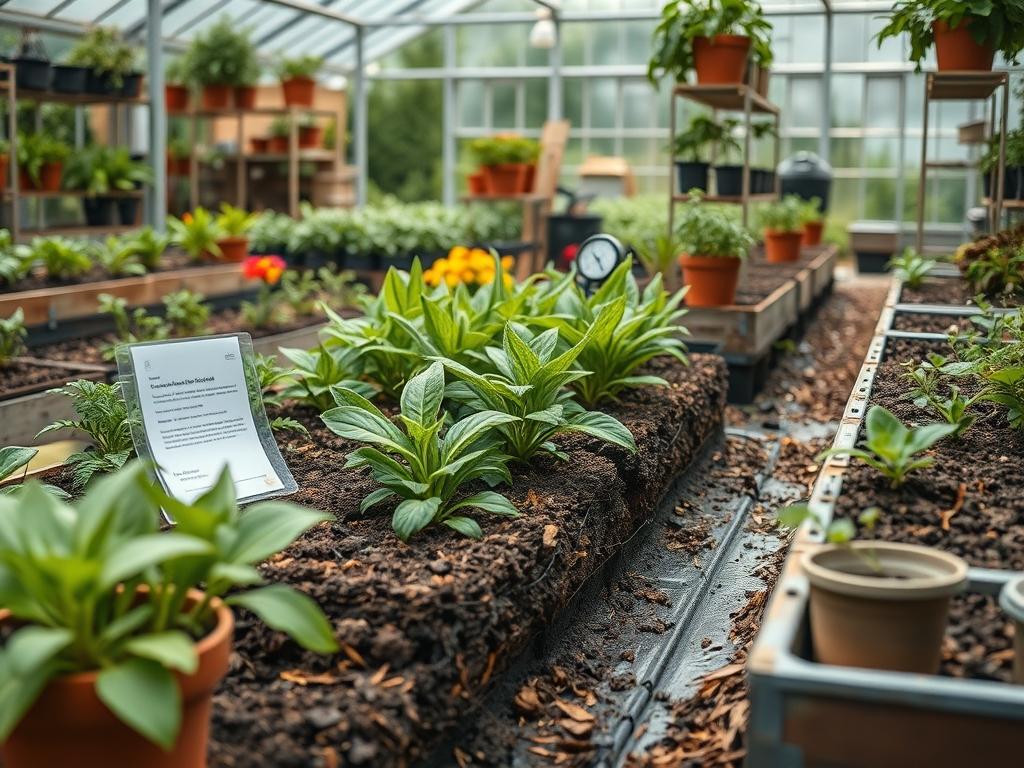
Maintaining a pristine landscape requires a sophisticated balance between aesthetic ambition and biological management. The presence of invasive species or aggressive weeds can quickly compromise the curb appeal and structural integrity of master-planned garden beds. In high-end residential and commercial outdoor environments, the reliance on synthetic herbicides is increasingly viewed as a liability rather than a solution, primarily due to concerns regarding soil health, runoff into local irrigation systems, and the safety of residents. Effective Chemical-Free Weed Control is not merely a task of removal; it is an integrated architectural strategy that uses site-specific data, grading, and material science to suppress unwanted growth before it begins. By prioritizing environmental health, a landscape consultant can ensure that the outdoor living space remains functional and vibrant without the toxic residues associated with industrial sprays.
Landscape Design Principles
In the realm of landscape architecture, weed suppression begins on the drafting table. Symmetry and focal points are not just visual tools; they dictate how maintenance crews interact with the soil. A well-designed garden utilizes elevation layers to create a canopy that naturally shades the soil surface. When Hostas or Hydrangeas are positioned to create a dense upper layer, they intercept solar radiation that opportunistic weed seeds require for germination. This concept of canopy closure is a cornerstone of professional garden planning.
Visual balance is further achieved through the strategic use of walkways and hardscaping. By integrating Flagstone Pavers or Permeable Concrete, designers reduce the total surface area of exposed soil. These hardscape elements must be installed over a properly compacted sub-base of Crushed Limestone or 3/4-inch Clean Stone to prevent the upward migration of dormant seeds. Furthermore, irrigation planning plays a critical role. Instead of overhead sprayers that provide moisture to every square inch of the bed, a professional Drip Irrigation System delivers water directly to the root zones of the desired plant material. This targeted hydration starves weeds located in the interstitial spaces between ornamental plants.
Symmetry in the garden also allows for more efficient mechanical control. When rows are straight or curves are predictable, tools like the Scuffle Hoe can be utilized with greater precision, minimizing the risk of damage to expensive specimens. Utilizing focal points such as Basalt Transitions or decorative Retaining Walls creates physical barriers that prevent the encroachment of aggressive turf grasses like Kentucky Bluegrass or Bermuda Grass into specialized planting zones.
Plant and Material Selection
The following table outlines high-performance plant selections and materials that facilitate long-term weed suppression through natural competition and physical barriers.
| Plant or Material Type | Sun Exposure | Soil Needs | Water Demand | Growth Speed | Maintenance Level |
| :— | :— | :— | :— | :— | :— |
| Pachysandra terminalis | Full Shade | Humus-rich | Moderate | Slow | Low |
| Creeping Thyme | Full Sun | Well-drained | Low | Moderate | Low |
| Carex pensylvanica | Part Shade | Loamy | Moderate | Moderate | Minimal |
| Sedum spurium | Full Sun | Poor/Dry | Low | Fast | Low |
| Steel Edging | N/A | Variable | N/A | N/A | Low |
| Cedar Bark Mulch | N/A | All Types | N/A | N/A | Moderate |
| Liriope muscari | Sun/Shade | Adaptable | Moderate | Moderate | Low |
Implementation Strategy
A successful implementation starts with meticulous site preparation and grading. To achieve professional results in Chemical-Free Weed Control, one must first address the existing seed bank in the soil. One creative and effective method is Solarization. This involves placing a heavy-duty 6-mil Clear Plastic Sheeting over a pre-moistened bed during the hottest weeks of summer. The plastic traps solar energy, raising soil temperatures to levels that effectively cook weed seeds and soil-borne pathogens. This creates a “clean slate” for the architectural vision to take hold.
Once the soil is prepared, the layout of the garden should follow a specific layering technique often referred to as Sheet Mulching or “lasagna gardening.” Instead of tilling the soil, which brings buried weed seeds to the surface, the consultant should recommend laying down a thick layer of Non-waxed Corrugated Cardboard. This cardboard acts as a cellulose-based light barrier that eventually decomposes into organic matter. Above this layer, the installation of 3 to 4 inches of Double-Shredded Hardwood Mulch provides the necessary weight and insulation. This depth is critical; anything less than 3 inches allows enough light penetration for hardy weeds to survive.
For vertical control, installing 14-gauge Steel Edging at a depth of 5 inches creates a physical bulkhead against rhizomatous weeds. This edging should be set so that it sits approximately 1 inch above the final mulch line, creating a clean aesthetic break that simplifies edge trimming. In areas where decorative stone is preferred over organic mulch, a Non-woven Geotextile Fabric should be installed beneath the stone. Unlike cheap plastic liners, the non-woven textile allows for gas exchange and water infiltration while preventing the sub-soil from mixing with the River Rock or Pea Gravel.
Common Landscaping Failures
The most frequent failure in sustainable weed management is improper drainage. When water is allowed to pool in a bed, it creates an anaerobic environment that weakens ornamental plants while encouraging moisture-loving weeds like Yellow Nutsedge. Professional site planning must include a 3 percent slope away from building foundations and toward designated French Drains or Rain Gardens. Soil compaction is another silent killer of grand designs. When soil is compacted by heavy machinery or foot traffic, it loses the pore space necessary for root respiration. Weeds with taproots, such as Dandelions, thrive in these dense conditions where high-value perennials struggle.
Root overcrowding is also a nuanced failure. While dense planting is encouraged, placing plants too close together without considering their mature spread leads to high humidity and fungal outbreaks. This stress weakens the desired plants, leaving gaps in the canopy that weeds eventually fill. Finally, many homeowners fail because of irrigation inefficiencies. Using a standard oscillating sprinkler can lead to a 40 percent increase in weed biomass because it hydrates the entire soil surface rather than the deep root systems of established shrubs.
Seasonal Maintenance
Seasonal management is the proactive defense of the landscape investment. In the Spring, maintenance crews should focus on applying a pre-emergent barrier such as Corn Gluten Meal. This byproduct of corn processing prevents the protein development in germinating seeds, acting as a natural broadleaf weed inhibitor. It is also the time to refresh the mulch layers to maintain that vital 3-inch depth.
During the Summer, focus shifts to thermal control and spot treatment. For weeds that emerge in gravel paths or stone patios, a Propane Flame Turkey or Steam Weeder offers a high-tech solution. These tools use extreme heat to rupture the cell walls of the plants, causing them to wither within hours. This method is particularly effective for weeds growing in the expansion joints of a Paver Patio.
Autumn is the season for “Occultation.” In vacant beds planned for next year, covering the ground with Black Silage Tarps for several months will kill winter annuals by depriving them of light. This is also the time to plant “Living Mulch” groundcovers that will establish roots before the ground freezes. Finally, in Winter, the focus remains on structural integrity. Inspecting Retaining Walls and Drainage Grates ensures that the freeze-thaw cycle does not create new crevices where seeds can find a home in the coming spring.
Professional Landscaping FAQ
What is the best natural alternative to glyphosate?
Concentrated Acetic Acid, often sold as 20% horticultural vinegar, is a powerful desiccant. When mixed with a small amount of liquid soap, it strips the waxy coating off weed leaves, causing rapid dehydration and death in sunny conditions.
How deep should my mulch really be?
To maintain a professional standard of weed suppression, a minimum of 3 inches is required. However, for initial installations or high-growth areas, 4 inches is preferred. Never exceed 6 inches, as this can suffocate the roots of ornamental trees.
Does landscape fabric actually work long-term?
Only high-quality Non-woven Geotextiles are recommended. Inexpensive plastic fabrics often clog with silt, leading to poor drainage and allowing weeds to sprout directly in the mulch on top of the fabric, making them much harder to pull.
Can boiling water kill weeds in my driveway?
Yes, Boiling Water is an excellent and free thermal weed killer for cracks and crevices. It effectively cooks the root system. However, it is non-selective, so it should only be used where there are no desirable plants nearby.
Is hand-pulling still necessary in professional landscapes?
Even with the best planning, occasional manual intervention is required. Using specialized tools like a Dutch Hoe or a Cobrahead Weeder allows for the removal of the entire root system, preventing the quick regrowth often seen with improper weeding.