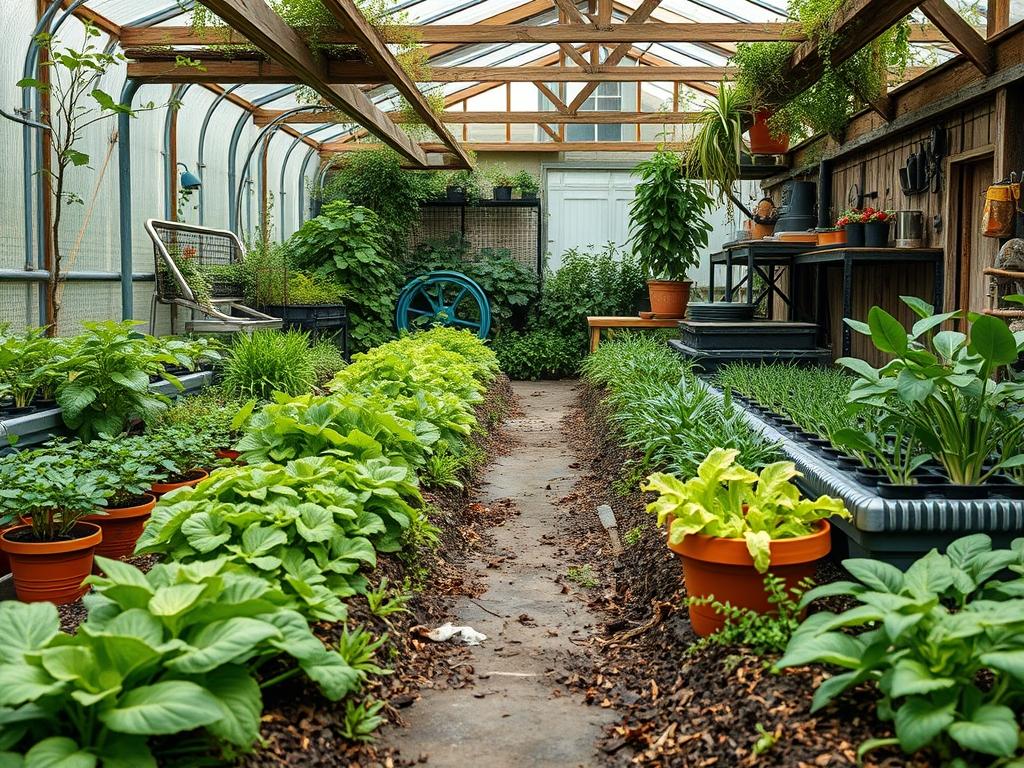
Integrating a functional foraging landscape into a residential property requires a sophisticated balance between horticultural science and aesthetic design. The modern homeowner often faces the challenge of wanting a productive ecosystem that does not sacrifice the clean lines and curb appeal expected in high end neighborhoods. Successfully foraging garden edibles starts long before the harvest; it begins with a site analysis that evaluates solar orientation, microclimates, and existing soil conditions. A well designed edible landscape must function as a cohesive unit where every plant serves a purpose, whether it is providing a privacy screen, stabilizing a slope, or offering a harvest of nutrient dense berries. In many climates, the seasonal transition can leave a foraging garden looking barren if the designer does not prioritize structural evergreens and hardscape elements. By treating edible plants as architectural components, a landscaper can create a space that feels intentional, luxurious, and bountiful.
Landscape Design Principles
Structural integrity in an edible garden is maintained through the application of classical design principles like symmetry and focal points. While a traditional vegetable patch might be hidden in the backyard, a foraging landscape integrates food sources into the primary visual fields of the property. For example, using Espaliered Apple Trees along a south facing fence creates a living green wall that provides architectural interest while maximizing fruit production in a narrow footprint. Symmetry can be achieved by flanking a main walkway with Highbush Blueberries, which offer delicate white flowers in spring, deep blue fruit in summer, and vibrant crimson foliage in autumn. These shrubs act as formal hedges while providing a substantial forageable crop.
Focal points are essential for directing the eye and creating a sense of order. A large Persimmon Tree or a specimen Chestnut can serve as a majestic center point for a circular driveway or a large lawn. Beneath these larger structures, elevation layers must be carefully planned to prevent the landscape from looking cluttered. The goal is to mimic the structure of a natural forest edge using a tiered system. This involves a tall Canopy Layer, a mid sized Understory Layer of fruit or nut shrubs, and a Groundcover Layer of perennial herbs and greens. To ensure the space remains walkable and functional, incorporate permanent walkways using Permeable Pavers or Flagstone. These paths define the foraging zones and prevent soil compaction around the root zones of your edibles, which is crucial for maintaining soil aeration and plant health.
Plant and Material Selection
Selecting the right species involves more than just personal taste; it requires matching the plant to the specific environmental constraints of the site. A plant that thrives in the acidic soil of a pine forest will struggle in the alkaline conditions near a fresh concrete foundation. Use the following table to guide your selection of hardy, attractive, and forageable garden plants.
| Plant Type | Sun Exposure | Soil Needs | Water Demand | Growth Speed | Maintenance |
| :— | :— | :— | :— | :— | :— |
| Elderberry | Full Sun to Part Shade | Moist, Well Drained | High | Fast | Moderate |
| Serviceberry | Full Sun to Part Shade | Loamy, Acidic | Medium | Medium | Low |
| Rosemary | Full Sun | Sandy, Sharp Drainage | Low | Medium | Low |
| Ostrich Fern | Shade | Humus Rich, Damp | High | Medium | Low |
| Sea Buckthorn | Full Sun | Poor, Sandy Soil | Low | Fast | Moderate |
| Alpine Strawberry | Part Shade to Sun | Rich, Well Drained | Medium | Fast | Medium |
| Currants | Part Sun | Cool, Moist | Medium | Medium | Moderate |
When selecting materials for an edible landscape, avoid using chemically treated lumber for Raised Beds or Retaining Walls, as toxins can leach into the soil and be absorbed by the plants. Instead, opt for Redwood, Cedar, or Composite Timbers that are rated as food safe. For mulch, use Organic Cedar Bark or Pine Straw to help regulate soil temperature and moisture without introducing synthetic dyes or preservatives into the foraging environment.
Implementation Strategy
The transition from a blueprint to a thriving garden requires a methodical implementation strategy focused on the long term health of the soil and the structural stability of the land. Start with Grading the property to ensure that water moves away from the home foundation and toward the planting zones. If the landscape has significant elevation changes, install Retaining Walls to create level tiers. This prevents erosion and makes harvesting much easier and safer. Once the skeleton of the landscape is in place, focus on the Irrigation System. A Drip Irrigation network is the most efficient choice for an edible garden, as it delivers water directly to the base of the plants, reducing the risk of fungal diseases on the foliage.
Before the first plant goes into the ground, install a high quality Geotextile Fabric under any hardscape paths to prevent weed intrusion. When planting, dig holes that are twice as wide as the root ball but no deeper. This ensures the roots can easily penetrate the surrounding soil while preventing the plant from sinking too deep, which can lead to crown rot. Apply a Root Stimulant or a high phosphorus transplant fertilizer to encourage quick establishment. After planting, a 3-inch layer of Mulch should be applied across all beds, being careful to keep the mulch a few inches away from the trunks of trees and shrubs to prevent bark decay. This layer of organic matter will decompose over time, enriching the soil and providing the microbial life necessary for a healthy foraging ecosystem.
Common Landscaping Failures
One of the most frequent mistakes in edible landscaping is the lack of a comprehensive Drainage Plan. People often plant high value edibles in low lying areas where water collects, leading to root asphyxiation and the death of the plant. A French Drain or a Dry Well may be necessary in areas with heavy clay soil to divert excess runoff. Another common failure is improper spacing. It is tempting to plant closely for an instant full look, but Root Overcrowding eventually leads to stunted growth and poor fruit production. Always research the mature spread of a species and provide enough clearance for air circulation, which is the best defense against pests and mildew.
Soil compaction is a silent killer in many gardens. Heavy foot traffic or the use of heavy machinery during construction can crush the air pockets in the soil. For an edible garden, this is devastating because it prevents the deep root penetration required for perennials to survive drought. If the soil is already compacted, use a Core Aerator and work in several inches of Compost to restore the structure. Finally, many gardeners fail to consider the toxicity of lookalikes. When foraging in your own garden, you must be 100 percent certain of the identification. Never plant highly poisonous ornamentals like Oleander or Castor Bean in close proximity to edible greens, as an accidental harvest could occur during a distracted moment.
Seasonal Maintenance
A professional landscape requires a year round management plan to remain productive and beautiful. In the Spring, the focus is on Pruning and fertilization. Use sharp Pruning Shears to remove any dead or diseased wood from fruit trees before the sap starts to flow heavily. This is also the time to apply a balanced, organic fertilizer to stimulate new growth. As the weather warms into Summer, the priority shifts to Irrigation Management and pest control. Monitor the moisture levels in the top two inches of soil and adjust the Irrigation Controller based on rainfall patterns. Mulch may need to be topped off to keep the roots cool during heatwaves.
When Autumn arrives, the focus turns to harvesting and preparation for dormancy. Clean up fallen fruit to prevent the buildup of pathogens and to discourage unwanted wildlife from frequenting the property. This is the ideal time for Soil Testing to determine what nutrients were depleted during the growing season. In the Winter, maintenance involves protecting sensitive species from frost. Use Burlap Wraps or Frost Blankets for young trees. This is also the best time for structural planning and hardscape repairs while the plants are dormant, ensuring that the garden is ready to perform once the ground thaws.
Professional Landscaping FAQ
How do I ensure my foraged garden plants are safe to eat?
Always use a reliable field guide for identification and never consume a plant unless you are absolutely certain of its species. Avoid harvesting near roadsides or areas where chemical pesticides and herbicides have been applied to the soil.
What is the best way to improve soil for edibles?
Incorporate organic matter such as Compost or Well Rotted Manure to improve soil structure and nutrient content. Conduct a pH Test to ensure the acidity levels match the specific requirements of your chosen edible species before planting.
Can I grow edible plants in a fully shaded yard?
While most fruit trees require full sun, many edible greens and berries thrive in partial shade. Ostrich Ferns, Wild Ginger, and Alpine Strawberries are excellent choices for areas that receive less than four hours of direct sunlight.
How do I manage pests without using toxic chemicals?
Encourage natural predators like ladybugs and lacewings by planting a diverse range of flowers. Use Neem Oil or Insecticidal Soaps for targeted outbreaks, and maintain plant health through proper irrigation to make them less susceptible to infestation.
Why are my fruit trees not producing any harvest?
Lack of production is often due to poor pollination or improper pruning. Ensure you have compatible Pollinator Species nearby and avoid heavy pruning during the budding season, which can accidentally remove the fruit producing spurs of the tree.