
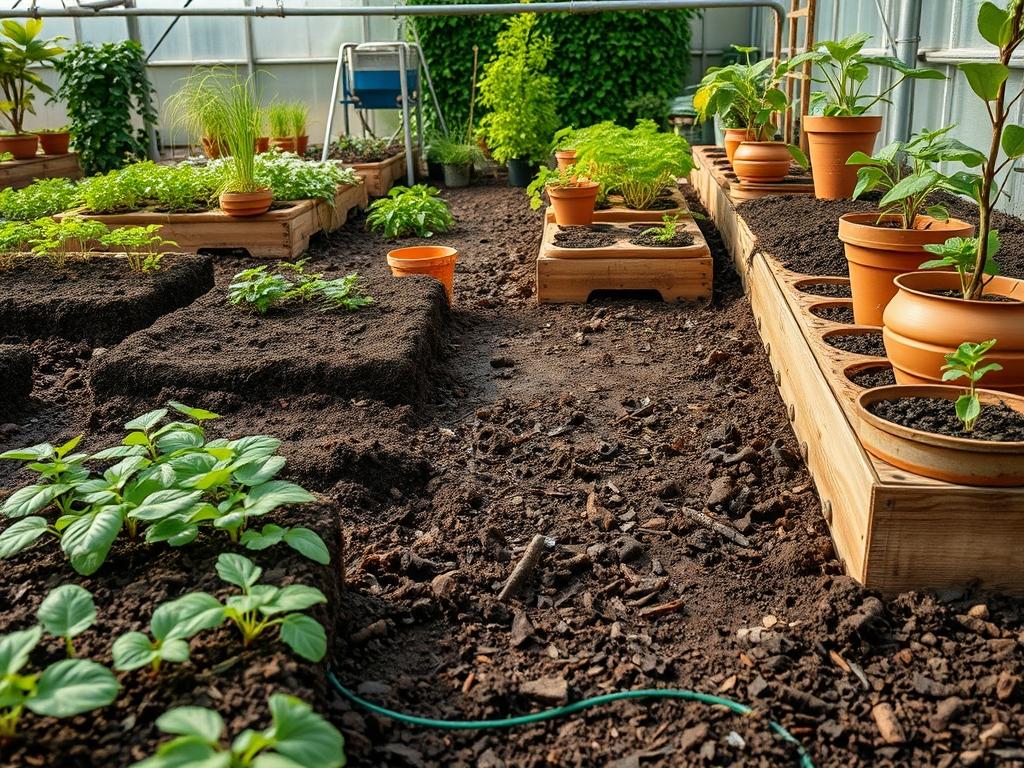
Successful landscape architecture requires more than just an intuitive grasp of aesthetics and spatial geometry; it necessitates a deep understanding of the biological engine that drives plant vitality. When we design high-end outdoor environments, we focus on curb appeal and the immediate visual impact of the installation. However, the long term health of the site depends entirely on the soil structure and nutrient availability. Incorporating DIY worm castings into your management strategy provides a professional grade nutrient source that synthetic fertilizers cannot replicate. These castings, often called black gold, are the byproduct of vermicomposting. By implementing a dedicated system for producing them on site, you capitalize on a closed loop organic cycle that improves the resilience of your ornamental grasses, evergreen shrubs, and perennial borders. High-quality castings introduce beneficial microbes and mycorrhizal fungi into the rhizosphere. This biological activity is essential for maintaining the vibrant greens and robust blooms that define a well executed landscape design.
The challenge in modern residential landscaping involves balancing local climate constraints with the desire for lush, high performance greenery. In regions prone to heavy rainfall or periods of drought, the quality of your soil dictates how well your plants withstand environmental stress. DIY worm castings act as a powerful soil conditioner, improving water retention in sandy soils and increasing aeration in heavy clay. From a professional consultant perspective, the goal is to create a landscape that functions as a self sustaining ecosystem. When the soil is rich in vermicompost, systemic plant health improves, leading to a reduced need for chemical pesticides and supplementary irrigation. This sustainable approach enhances the outdoor functionality of the space, turning a simple backyard into a sophisticated botanical environment.
Landscape Design Principles
In professional site planning, balance and visual hierarchy are paramount. Symmetry provides a sense of order and formality, while focal points like high value specimen trees or sculptural elements draw the eye through the space. To achieve this balance, every plant must perform at its peak. Uneven growth or chlorotic foliage can ruin the visual flow of a garden. Integrating DIY worm castings into the initial planting phase ensures that the horizontal and vertical layers of the landscape develop uniformly.
Elevation layers are critical for creating depth. We typically design with a foreground of low lying groundcovers, a midground of structured shrubs, and a background of canopy trees. Each of these layers has distinct nutritional demands. When planning your walkways and paths, consider the location of your vermicomposting station. It should be placed in a utility zone that is easily accessible for maintenance but screened from the primary lines of sight by Yew hedges or lattice fencing.
Irrigation planning must also account for the increased organic matter in the soil. As you incorporate castings, the soil becomes more spongy and absorbent. This shift allows for more efficient water use, as the moisture is held in the root zone rather than running off the surface. Visual balance is further maintained when the turf is consistently green and the borders are thick. By top dressing these areas with a half inch layer of castings annually, you provide a slow release nitrogen source that prevents the “flush and fade” growth patterns associated with chemical salts.
Plant and Material Selection
Selecting the right plant material is the cornerstone of any successful landscape project. Below is a selection of commonly used species that respond exceptionally well to the biological boost provided by worm castings.
| Plant Type | Sun Exposure | Soil Needs | Water Demand | Growth Speed | Maintenance Level |
| :— | :— | :— | :— | :— | :— |
| Japanese Maple | Partial Shade | High Organic Matter | Moderate | Slow | Moderate |
| Hydrangea Macrophylla | Part Sun | Nutrient Rich | High | Medium | Moderate |
| Green Giant Arborvitae | Full Sun | Well Drained | Moderate | Fast | Low |
| Lavender | Full Sun | Gritty/Alkaline | Low | Medium | Low |
| Common Boxwood | Full Sun to Shade | Loamy | Moderate | Slow | High |
| Hostas | Full Shade | Humus Rich | Moderate | Medium | Low |
Implementation Strategy
To begin your DIY worm castings production, you must first select an appropriate vessel. A stacked bin system or a large plastic tote with a lid works best for most residential scales. Use a power drill to create aeration holes along the upper sides of the bin. For the bedding, use a mixture of shredded brown cardboard, coconut coir, and moistened peat moss. This substrate creates the ideal habitat for Eisenia fetida, commonly known as red wigglers. These worms are the primary workers in your system because they prefer living in the top 6 inches of organic material rather than deep in the earth.
Start by placing a 3 inch layer of bedding at the bottom of the bin. Introduce your worms, typically starting with one pound for a standard size bin. Feed them kitchen scraps such as organic vegetable peels, coffee grounds, and eggshells. Avoid meat, dairy, or oily foods, as these will lead to foul odors and pest attraction. The secret to premium castings is maintaining a moisture level similar to a wrung out sponge, roughly 70 percent moisture content.
As the worms process the organic matter, you will notice a dark, crumbly material accumulating at the bottom. This is the finished vermicompost. To harvest, move the undigested food to one side of the bin, enticing the worms to migrate. After a few days, you can remove the pure castings from the empty side. Screen the material through a quarter inch mesh to remove any large debris or stray worms. This refined product can then be applied directly to your garden beds or used to create a nutrient dense worm tea for foliar feeding.
Common Landscaping Failures
One of the most frequent mistakes in landscape implementation is poor drainage. If a garden bed is improperly graded, water will pool and create anaerobic conditions that drown root systems. While worm castings help with soil structure, they cannot fix a fundamental lack of slope. Ensure that your site is graded to move water away from the foundation of the home and toward a functional drainage point or rain garden.
Root overcrowding is another common failure, triggered by improper spacing during the installation phase. Architects often desire an “instant” look, but planting too closely leads to competition for nutrients and light. Over time, the soil becomes exhausted. Soil compaction is equally detrimental; it prevents the exchange of gases and limits the movement of worms and other beneficial organisms. Avoid using heavy machinery over planting zones once the soil has been amended. Finally, irrigation inefficiencies, such as overhead watering during the heat of the day, can lead to fungal diseases. It is far more effective to use a drip irrigation system that delivers water directly to the soil surface where the castings are located.
Seasonal Maintenance
Landscape management is a year round commitment that shifts with the solar cycle. In the spring, your focus should be on rejuvenation. This is the prime time to apply a one inch layer of fresh worm castings to your perennial beds before applying a fresh layer of hardwood mulch. This provides a nutrient “jump start” as plants break dormancy.
During the summer, monitor the moisture levels in your worm bins closely. High temperatures can cook the worms if the bin is placed in direct sunlight. Keep the bin in a shaded, ventilated area. In the garden, summer maintenance involves deadheading spent blooms and ensuring that the high demand plants in your landscape receive deep, infrequent watering.
Autumn is the season for soil building. As you clear out the vegetable patch or prune back your deciduous shrubs, use the organic waste to fuel your worm bins for the winter. This is also a great time to top dress the lawn with a thin layer of screened castings to strengthen the root systems before the first frost.
In winter, the microbial activity in the soil slows down. If you live in a cold climate, move your worm bin into a garage or basement to prevent the population from freezing. In the landscape, winter maintenance is largely structural. Use this time to inspect your retaining walls, walkways, and hardscaping for any shifts caused by frost heave.
Professional Landscaping FAQ
How much vermicompost should I use for new shrubs?
Mix two cups of DIY worm castings into the backfill soil for each gallon of root ball size. This provides immediate microbial activity to the disturbed soil and encourages rapid root establishment in the new environment.
Can worm castings burn my delicate ornamental plants?
No, worm castings are non caustic and will not burn roots like synthetic fertilizers. Because the nutrients are encased in a mucus membrane created by the worms, they are released slowly and safely over several months.
What is the best way to apply castings to an existing lawn?
The most effective method is core aeration followed by a broadcast application of screened castings. The aerator creates paths for the castings to reach the root zone, significantly improving turf density and color within weeks.
How do I store excess worm castings?
Store them in a breathable container, such as a burlap sack or a bucket with a loose lid, in a cool, dark place. Keep the material slightly damp to maintain the life of the beneficial microbes and fungi.
How often should I harvest my DIY worm bin?
You should typically harvest the finished castings every three to four months. Regular harvesting prevents the accumulation of waste products that could become toxic to the worm population, ensuring a healthy and productive system.