
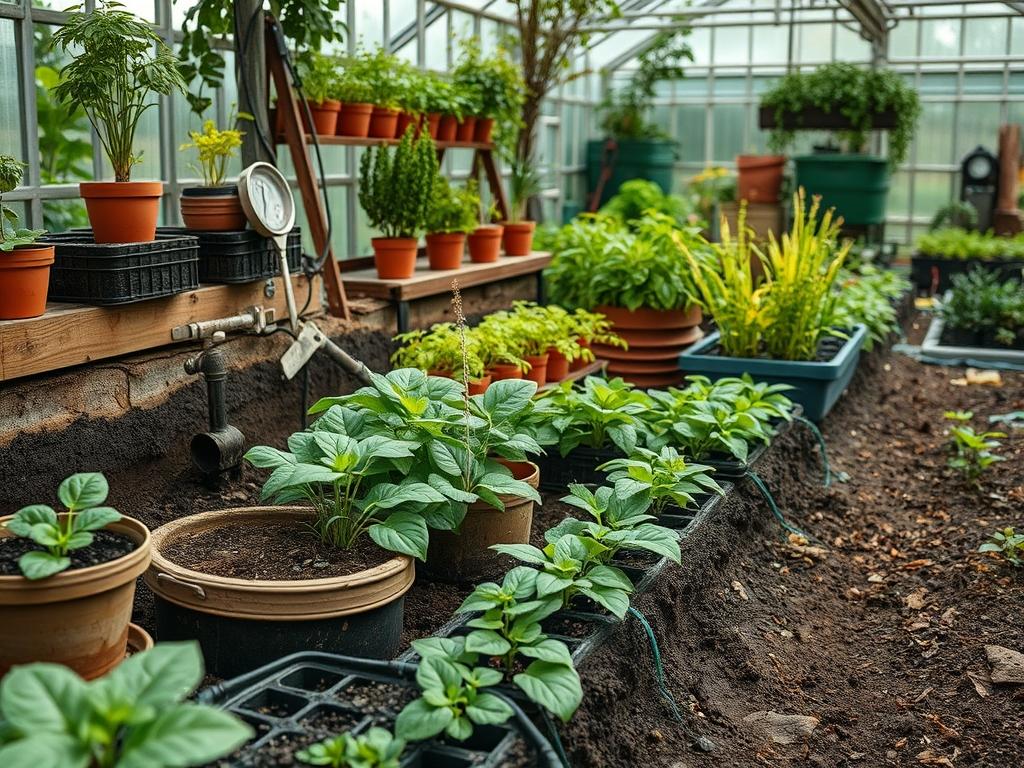
Modern landscape architecture requires a delicate balance between aesthetic elegance and resource stewardship. As droughts become more frequent and municipal water costs rise, property owners are looking for ways to maintain lush, vibrant environments without exhausting local aquifers. Using Greywater Safely represents the pinnacle of this sustainable shift. It is the practice of diverting water from showers, bathroom sinks, and washing machines into the garden. While the concept sounds simple, the execution requires a deep understanding of soil chemistry, hydraulic engineering, and plant physiology. A well-designed greywater system does more than just save water. It stabilizes the local microclimate and supports a thriving ecosystem even through the harshest summer months. The challenge lies in ensuring that this recycled water enhances rather than harms the purest garden environments.
By integrating greywater into the initial design phase, a landscape architect can create a self-sustaining oasis that defies traditional irrigation constraints. It is not merely about dumping waste water onto the dirt. It is about creating a biological filtration system that processes nutrients and maintains soil health. Curb appeal is often bolstered by the consistent hydration greywater provides, allowing for deeper greens and more robust growth than traditional, restrictive watering schedules might allow. To achieve this, we must look at the garden as a living organism where every drop of water serves a secondary purpose.
Landscape Design Principles
When designing for a greywater-integrated landscape, symmetry and focal points must align with the physical realities of gravity and drainage. A primary principle is the utilization of elevation layers. By placing high-water-demand plants at lower elevations, a designer can leverage natural runoff and subsurface flow. This creates a tiered effect where the most resilient species reside on the ridges while moisture-loving shrubs thrive in the depressions. Irrigation planning for greywater differs from standard systems because it avoids high-pressure spray heads. Instead, we use mulch basins and branched drains to deliver water directly to the root zones, preventing atomization and potential contact with human skin.
Walkways and hardscaping should serve as the skeletal structure that guides the plumbing. A common strategy involves running PVC piping beneath gravel paths or stepping stones to reach central planting islands. This maintains visual balance by hiding the infrastructure while ensuring easy access for future maintenance. Focal points, perhaps a specimen Willow or a cluster of Fruit Trees, should be placed at the terminus of these lines. These “anchor” plants act as sponges, absorbing the bulk of the greywater output and preventing it from migrating toward property lines or neighboring foundations. The goal is to make the technology invisible while making the biological results undeniable.
Plant and Material Selection
The following table outlines species that excel in greywater environments. These plants are selected for their ability to handle the slightly alkaline pH and salt content often found in household soaps, provided the user selects biocompatible cleaning products.
| Plant Type | Sun Exposure | Soil Needs | Water Demand | Growth Speed | Maintenance Level |
| :— | :— | :— | :— | :— | :— |
| Vetiver Grass | Full Sun | Sandy/Loam | Moderate | Fast | Low |
| Western Red Cedar | Part Shade | Rich/Moist | High | Medium | Moderate |
| Lantana | Full Sun | Well-Drained | Low | Fast | Low |
| Blue Elderberry | Full Sun | Various | Moderate | Fast | Medium |
| Cannas | Full Sun | Boggy/Wet | High | Fast | Moderate |
| Italian Cypress | Full Sun | Well-Drained | Low | Medium | Low |
| Common Fig | Full Sun | Loamy | High | Fast | Medium |
| Lavender | Full Sun | Rock/Sandy | Low | Medium | Low |
Implementation Strategy
The first step in any greywater layout is conducting a site survey to determine the natural grade of the land. Using Greywater Safely requires that water moves away from the home foundation and toward the primary root zones. Start by digging mulch basins, which are essentially shallow trenches filled with coarse wood chips. These basins act as biological filters, catching lint and organic matter while providing a vast surface area for beneficial soil microbes to break down soaps and detergents. The depth of the mulch should be at least 12 inches to ensure that greywater never pools on the surface, which is a critical safety requirement to prevent mosquito breeding and nitrogen loss.
Once the basins are excavated, install the diverter valve at the main drain line of the house. This allows the homeowner to switch between the sewer system and the garden based on seasonal needs. Use 1-inch to 2-inch diameter piping for the distribution lines. Avoid using small emitters or drip lines as they will inevitably clog with hair or lint. Instead, use a “branched drain” approach with large openings that spill onto shielded splash plates. After the plumbing is set, finish the area with high-quality edging to define the garden beds and prevent soil erosion. For hardscaping, use permeable materials like decomposed granite or paver stones with wide joints to allow the ground to breathe and absorb incidental rainfall alongside the greywater.
Common Landscaping Failures
The most frequent mistake in greywater systems is improper drainage. If the soil is heavy clay and lacks adequate organic amendment, the water will stagnate. This leads to anaerobic conditions, which produce foul odors and can eventually kill the very plants you are trying to sustain. Always perform a percolation test before finalizing your design. Another failure is root overcrowding. Because greywater provides a constant source of nutrients and moisture, root systems can grow far more aggressively than expected. If plants are spaced too closely, they will compete for oxygen and eventually choke out the system pipes.
Improper spacing and site selection also pose risks. Greywater should never be used on leaf crops or root vegetables like carrots and potatoes because of the risk of direct pathogen contact. Furthermore, soil compaction is a silent killer in many gardens. Heavy foot traffic over saturated greywater zones compresses the air pockets in the soil, preventing the biological breakdown of soaps. Finally, irrigation inefficiencies occur when the system is not sized to the household’s water output. If four people are showering daily but the garden is only ten square feet, the soil will become oversaturated and salty. Balance the “water budget” by matching the number of plants to the average daily water production of the home.
Seasonal Maintenance
Seasonal management begins in the spring with a thorough inspection of all diverter valves and surge tanks. This is the time to replenish the mulch basins with fresh bark chips. As the old mulch decomposes, it turns into rich compost, so adding a fresh layer ensures the greywater remains subsurface. During the summer, monitor the soil pH. Since most soaps are slightly alkaline, you may need to apply an acidic soil amendment or use organic fertilizers to keep the balance in check for acid-loving plants. Ensure that the lint filter on the washing machine line is cleaned weekly during high-use periods.
Autumn is the season for pruning and system flushing. Clear any encroaching roots that may be seeking out the pipe outlets. If your region experiences hard freezes in winter, it is vital to bypass the greywater system and divert all water back to the septic or sewer line. This prevents pipes from bursting and protects the soil microbes that go dormant in the cold. Before the ground freezes, do a final deep soak with fresh water to flush any residual salts out of the root zone. This “reset” ensures that when spring arrives, the soil is clean and ready for another cycle of growth.
Professional Landscaping FAQ
Is it safe to use greywater on edible plants?
You should only use greywater on fruit and nut trees or crops where the water does not touch the edible portion. Avoid using it on root vegetables, leafy greens, or any low-growing herbs to prevent potential pathogen ingestion.
Will greywater make my garden smell bad?
If designed correctly with subsurface mulch basins, there should be no odor. Smells occur only if the water pools on the surface or is stored in a tank for more than twenty-four hours, allowing bacteria to multiply and stagnate.
What kind of soap should I use for greywater gardening?
Select soaps and detergents labeled as “biocompatible” or “greywater safe.” These products are free of boron, salts, and chlorine, which can build up in the soil over time and damage sensitive plant tissues or alter soil structure.
Do I need a pump for my greywater system?
Ideally, no. A gravity-fed system is more reliable and requires less maintenance. However, if your garden is uphill from your house, you will need a specialized effluent pump and a small surge tank to move the water.
Can I use greywater on my lawn?
Standard spray irrigation with greywater is generally prohibited due to health risks. To water a lawn, you would need an expensive, high-level filtration system. For most residential contexts, it is better to prioritize trees, shrubs, and perennials.