
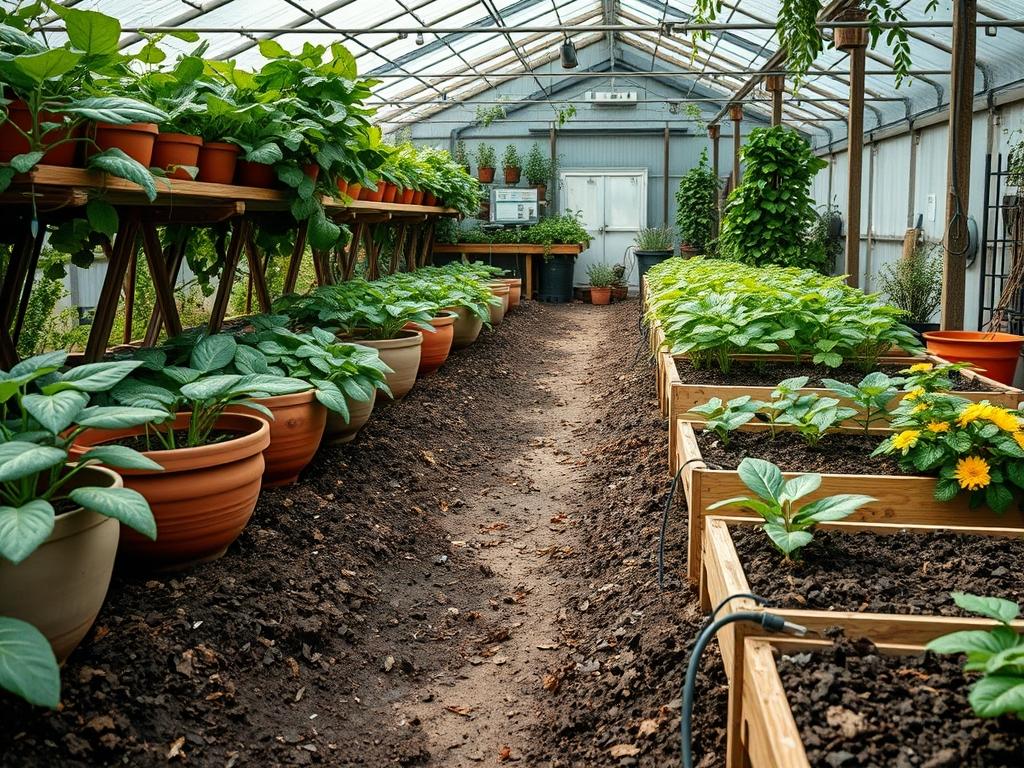
Transitioning a landscape from the lush abundance of summer to the productive resilience of winter requires a fundamental shift in spatial planning and horticultural strategy. Most homeowners view the colder months as a period of dormant sterility; however, a well architected winter garden serves as both a functional larder and a structural anchor for the entire property. By integrating Cold-Hardy Heirloom Crops into the permanent landscape, we bridge the gap between pure utility and high end curb appeal. These varieties, preserved through generations for their robustness and flavor, offer unique textures and deep hues that standard hybrid varieties often lack. Success in this realm depends on understanding how to manipulate microclimates and soil chemistry to sustain growth when the mercury drops. A professional approach ensures that the aesthetic integrity of the yard remains intact even as frost settles on the foliage.
Maintaining curb appeal during the winter months is a common challenge for residential designers. When traditional perennials die back, the garden can appear skeletal and neglected. Utilizing heirloom crops like Lacinato Kale or Bull’s Blood Beets introduces structural interest through their architectural leaves and vibrant pigments. These crops do not just survive the cold; they often improve in flavor after the first frost, as starches convert to sugars. Integrating these edibles into the front facing landscape requires a keen eye for geometry and seasonal transition. By treating food production as a primary design element rather than a hidden utility, we create a landscape that is both productive and visually compelling year round.
Landscape Design Principles
Effective winter garden design begins with spatial organization and the concept of “bones.” In a professional landscape, the bones are the permanent structures that provide form when the softer elements fade. Symmetry plays a vital role here. Aligning stone walkways with the primary axes of your raised beds creates a sense of intentionality and order. When the garden is laid out with precision, the sight of Heirloom Spinach growing in neat, emerald rows becomes a focal point rather than a haphazard patch of greenery. We often use a 36 inch width for main Walkways to allow for easy passage with a wheelbarrow while maintaining a domestic scale.
Elevation layers are equally critical for drainage and visual weight. By varying the height of planting zones using Stone Retaining Walls or tiered Cedar Raised Beds, we create microclimates that protect sensitive root systems from the freezing ground. Lower areas will naturally collect cooler air and moisture; therefore, the most resilient crops should be placed in these depressions, while items requiring better drainage should be elevated. Visual balance is achieved by counteracting the low, spreading growth of winter greens with vertical elements such as Iron Obelisks or Trellises. These structures provide height and interest even when the plants themselves are small.
Irrigation planning must also change for the winter season. While plants require less frequent watering, the delivery system must be frost resistant. We recommend installing Subsurface Drip Irrigation lines at a depth of at least 12 inches to prevent freezing, with many systems featuring a manual drain valve for extreme weather events. Proper planning ensures that the garden remains a low maintenance asset rather than a seasonal burden.
Plant and Material Selection
Selecting the right cultivars is the most important decision in winter landscaping. Heirloom varieties are often superior for this purpose because they have evolved to withstand specific regional pressures over centuries. Below is a curated selection of materials and plants suited for a high performance winter landscape.
| Plant Type | Sun Exposure | Soil Needs | Water Demand | Growth Speed | Maintenance |
| :— | :— | :— | :— | :— | :— |
| Lacinato Kale | Full Sun | Rich, Loamy | Moderate | Medium | Low |
| Scarlet Nantes Carrots | Full Sun | Loose, Sandy | High | Slow | Medium |
| Bloomsdale Spinach | Partial Shade | High Nitrogen | Moderate | Fast | Low |
| Giant Musselburgh Leeks | Full Sun | Well Drained | Moderate | Slow | Low |
| Red Russian Kale | Full Sun | Average | Moderate | Medium | Low |
| Pea Gravel (Path) | N/A | Compacted Base | N/A | N/A | Low |
| Double Shredded Mulch| N/A | Organic Matter | N/A | N/A | Medium |
Implementation Strategy
The implementation of a winter ready edible landscape begins with site grading and soil preparation. A professional installation requires that the ground be graded at a 2 percent slope away from the home’s foundation to prevent water pooling near structural elements. Once the grade is established, we define the beds using Steel Edging or Belgium Block to create clean, crisp lines that define the garden’s geometry. Edging is not merely aesthetic; it prevents grass encroachment and keeps Mulch contained within the beds.
Soil preparation for Cold-Hardy Heirloom Crops involves amending the native earth with at least 4 inches of well rotted organic compost. This increases biological activity, which slightly raises soil temperatures through decomposition. After planting, a layer of Straw or Wood Chips should be applied at a depth of 3 inches to insulate the roots. For especially sensitive crops, we employ “low tunnels” constructed from PVC Hoops and 6-mil Greenhouse Plastic. These structures act as miniature greenhouses, traps solar radiation during the day and releasing it slowly at night.
Hardscaping should be completed before the first hard freeze. This includes laying Natural Stone paths and setting any Irrigation Controllers. We prefer using Crushed Granite or Pea Gravel for winter paths because these materials provide excellent traction when wet and do not heave during the freeze-thaw cycle like solid concrete might. Each element must be installed with durability in mind, ensuring the landscape remains functional even when buried under a layer of snow.
Common Landscaping Failures
The most frequent failure in winter garden planning is inadequate drainage. While summer gardens can often handle heavy rains, winter soil remains saturated much longer due to lower evaporation rates. If the soil sits in standing water, the roots of your Heirloom Crops will rot within days. We mitigate this by conducting a Percolation Test before installation. If water does not drain at a rate of at least 1 inch per hour, a French Drain system must be installed to carry excess moisture away from the planting zones.
Another common mistake is root overcrowding. Because winter growth is slower, many gardeners plant too closely together, hoping for a denser look. However, air circulation is vital during damp, cold months to prevent fungal diseases like powdery mildew. Following the recommended spacing of 12 to 18 inches for larger greens is essential. Soil compaction is the third primary failure point. Walking on wet garden beds crushes the air pockets necessary for root respiration. Defining clear Walkways with Gravel or Flagstone ensures that human traffic never interferes with the delicate soil structure within the beds.
Seasonal Maintenance
A proactive maintenance schedule is what separates a thriving landscape from a declining one. In the Spring, the focus is on soil testing and the removal of winter mulches that have become matted. We apply a High Nitrogen Fertilizer to jumpstart the transition to summer crops. During the Summer, the priority shifts to irrigation management and pest control. This is also the time to start seeds for your winter harvest, as many Cold-Hardy Heirloom Crops require a long lead time to reach maturity before the days become too short.
As Autumn arrives, the landscape architect focuses on “hardening off” the plants. This involves gradually reducing water to encourage the plants to store sugars in their roots. We also perform a final Edging of all beds and clear away any dead summer debris that could harbor pests. In the Winter, maintenance becomes minimal. The primary tasks are checking the integrity of Row Covers, removing heavy snow loads from Hoop Houses, and harvesting as needed. Monitoring the Ambient Temperature allows for the timely deployment of extra insulation during extreme polar vortex events.
Professional Landscaping FAQ
What are the best heirlooms for extreme frost?
Kale, Collards, and Spinach are remarkably resilient. Varieties like Red Russian Kale and Bloomsdale Spinach can survive temperatures as low as 10 degrees Fahrenheit if they are properly acclimated and mulched with Straw or Leaf Mold.
How do I prevent soil compaction in winter?
Designate permanent Walkways using materials like Gravel or Cedar Planks. Never step directly into the planting beds when the soil is wet or frozen. This preserves the Macro-pores needed for healthy root systems and efficient drainage.
Does winter harvesting damage the plants?
If you harvest the outer leaves only, many greens will continue to produce. Use a Sharp Knife to make clean cuts. Avoid harvesting when the leaves are physically frozen; wait until the Sun thaws the foliage to prevent cellular bruising.
Is irrigation necessary when it is snowing?
Yes, plants still need moisture, though at a reduced rate. If the ground is not frozen, check the soil moisture levels 2 inches deep. Use a Soaker Hose on a warm afternoon to ensure the roots stay hydrated without wetting the foliage.
What mulch is best for edible winter crops?
Clean Wheat Straw or Pine Straw is ideal because it provides excellent insulation without packing down too tightly. Avoid heavy, dyed wood mulches near edible stems, as they can sometimes contain chemical binders that are not suitable for food production areas.