
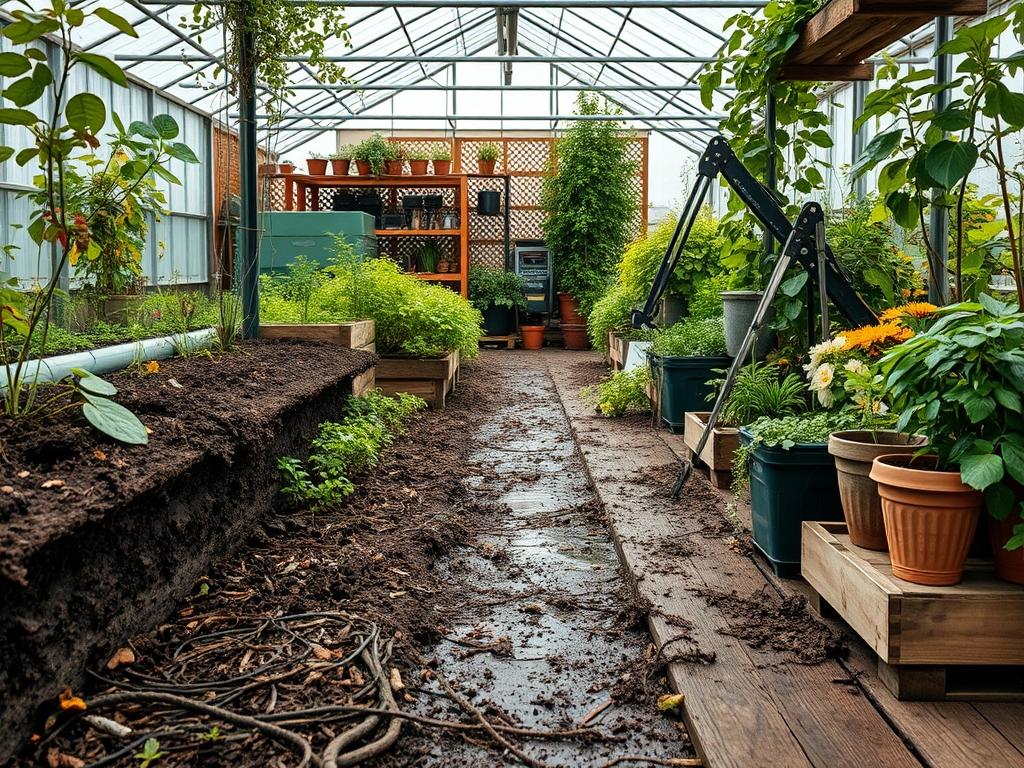
Maintaining a pristine urban landscape requires more than just a keen eye for aesthetics and a rigorous pruning schedule; it involves managing the constant interaction between cultivated flora and local wildlife. In the urban environment, squirrels often pose the most significant challenge to the structural integrity and visual continuity of a garden. These rodents are not merely a nuisance. They frequently disrupt irrigation lines, uproot expensive bulbs, and damage the bark of ornamental trees. For a landscape architect, the goal is to integrate natural squirrel deterrents that enhance the property value and curb appeal without relying on unsightly physical barriers or hazardous chemicals. By focusing on site-specific conditions and ecological psychology, we can create an outdoor environment that remains functional and beautiful through every season.
Climate considerations play a vital role in how we address these intruders. In temperate zones, a squirrel’s behavior shifts with the availability of mast and forage, making the protection of autumn bulb plantings a primary concern. The functionality of an outdoor living space depends on the reliability of its components. When a yard is designed with structural resilience in mind, it utilizes the natural properties of plants and hardscaping materials to direct wildlife away from high-value focal points. This professional approach ensures that the homeowner’s investment in native plants and hardscaping is not compromised by the persistent digging and foraging characteristic of urban squirrel populations.
Landscape Design Principles
Effective deterrence begins at the drafting table with a focus on symmetry and the deliberate use of elevation layers. A well-balanced garden layout uses distinct zones to separate wilder perimeter areas from the sensitive core of the landscape. Incorporating retaining walls with a height of at least 18 inches can create a vertical hurdle that discourages casual transit across garden beds. Furthermore, the use of walkways constructed from stable, non-porous materials like pavers or crushed stone provides a clear visual and physical boundary. These paths act as a buffer zone, making it harder for squirrels to move between planting beds unnoticed by natural predators.
Focal points should be protected through a combination of plant selection and structural shielding. If a central fountain or an ornamental specimen tree is the highlight of the yard, it must be surrounded by deterrent vegetation or topographical changes that limit access. Irrigation planning must also account for animal interference. Underground drip systems are preferable to surface-level micro-sprays, which are easily gnawed or displaced. By burying poly-tubing at a depth of at least 6 inches, you protect the system from erratic digging and ensure the long-term health of the native plants that rely on consistent moisture.
Visual balance is achieved by layering various plant heights, which also serves to confuse a squirrel’s line of sight. When a garden features low-growing groundcovers followed by mid-sized shrubs and high canopy trees, it creates a complex environment that is less attractive than an open, easily navigable lawn. This complexity is a fundamental tenet of defensive landscaping. By integrating elevation changes, such as raised beds or terraced slopes, you force the wildlife to exert more energy to reach your prize plantings, often leading them to seek easier forage elsewhere.
Plant and Material Selection
Selecting the right biological components is the most sustainable way to manage urban wildlife. Many ornamental species possess natural chemical defenses or textures that are unpalatable to rodents. The following table identifies several key species that serve as functional elements in a squirrel-deterrent landscape.
| Plant Type | Sun Exposure | Soil Needs | Water Demand | Growth Speed | Maintenance Level |
| :— | :— | :— | :— | :— | :— |
| Daffodils (Narcissus) | Full to Part Sun | Well-drained | Low to Moderate | Fast (Spring) | Low |
| Alliums | Full Sun | Sandy/Well-drained | Low | Medium | Low |
| Crown Imperial | Full Sun | Rich/Organic | Moderate | Slow | Medium |
| Hyacinths | Full Sun | Well-drained/Loam | Moderate | Medium | Medium |
| Common Sage | Full Sun | Well-drained | Low | Fast | Low to Medium |
| Marigolds | Full Sun | Any/Average | Moderate | Fast | Low |
| Fritillaria | Full to Part Sun | Moist/Well-drained | Moderate | Medium | Medium |
Implementation Strategy
The successful implementation of a squirrel-deterrent landscape requires a systematic approach to site preparation. Begin with grading to move water away from the foundation and prevent the standing water that attracts thirsty rodents. Once the slope is established, a layer of hardware cloth with a 1/4-inch mesh size can be installed just below the soil surface in high-traffic digging areas. This professional-grade barrier allows roots to pass through but stops squirrels from reaching bulbs or structural roots.
When laying out the garden, the use of edging is essential for maintaining clean lines and preventing the migration of mulch. A deep edging strip made of metal or heavy-duty plastic provides another physical deterrent to burrowing. In the planting beds, mulch should be applied to a depth of 3 inches. However, the choice of material is critical. Using coarse, aromatic mulches such as cedar or hemlock can repel squirrels through scent. In areas with high pressure, a top dressing of heavy gravel or river rock around the base of sensitive shrubs will prevent the soil from being disturbed.
Hardscaping elements, including large boulders and stone outcrops, can be strategically placed to limit the amount of open, soft soil available for burying nuts. If the design includes a vegetable or cutting garden, consider a raised bed with a 12-inch wide stone cap. This gives the gardener a place to sit while making the vertical ascent more difficult for small mammals. Finally, ensuring that drainage pipes are screened with wire mesh will prevent squirrels from using the gutters or downspouts as hidden runways into the garden or home.
Common Landscaping Failures
One of the most frequent mistakes in urban landscape design is the failure to account for soil compaction. While loose, tilled soil is easy for plants to root in, it is also a magnet for digging animals. Achieving the right balance involves using organic amendments to improve structure without making the soil so soft that it becomes a playground for local fauna. Another common failure is root overcrowding. When plants are placed too closely together, they compete for nutrients and become stressed. Stressed plants emit volatile organic compounds that can actually attract pests and rodents looking for an easy meal.
Improper spacing is also a design flaw that compromises visual clarity and maintenance access. If a garden is too densely packed, it provides ample hiding spots for squirrels, making them bolder in their foraging. Conversely, a landscape with too much open space lacks the structural complexity needed to discourage movement. Irrigation inefficiencies, such as leaking valves or over-watered lawns, create damp conditions that invite rodents to dig for grubs and moisture. Ensuring that your irrigation system is calibrated to the specific needs of each hydrozone is a critical step in a professional maintenance plan.
Seasonal Maintenance
Landscape management is a year-round commitment that adapts to the lifecycle of the garden. In the spring, the focus is on inspecting the irrigation system for any winter damage and reinforcing the mulch layers. This is also the time to apply natural repellents, such as spray-on formulas containing capsaicin or peppermint oil, to new growth before squirrel patterns are established.
During the summer, the primary task is moisture management. Dehydrated squirrels will often bite into succulent plants or plastic tubing to find water. Keeping a small, dedicated water feature far away from the main garden can liven up the space while drawing wildlife away from the protected zones. Autumn is perhaps the most critical season. As squirrels begin their caching behavior, gardeners should clean up fallen nuts and fruits immediately. This is also the time to install protective wire cages around any newly planted fall bulbs.
In the winter, maintenance shifts to protecting the bark of young trees. Using tree guards or wraps prevents squirrels from girdling the trunk when other food sources are scarce. Pruning should also be conducted in late winter to remove any branches that provide a direct “bridge” from nearby structures or fences to the canopy of sensitive ornamental trees. A gap of at least 8 to 10 feet is recommended to prevent squirrels from leaping into protected areas.
Professional Landscaping FAQ
What is the most effective natural deterrent for new bulbs?
Interplanting bulbs with Daffodils or Alliums is highly effective. These species contain alkaloids and sulfur compounds that are toxic or unpalatable to squirrels, providing a biological shield for more vulnerable flowers like tulips or crocuses within the same bed.
How does mulch depth affect squirrel behavior?
A 3-inch layer of coarse mulch, such as cedar, obscures the scent of freshly planted bulbs and makes the ground less appealing for digging. However, avoid “volcano mulching” around tree trunks, as this creates a moist environment that invites bark damage.
Can hardscaping really prevent squirrel damage?
Yes, strategic hardscaping like gravel buffers and wide stone walkways creates an exposed environment that squirrels dislike. By reducing the amount of soft, accessible soil near focal points, you force them to forage in less prominent areas of the yard.
Which native plants are most resistant to urban wildlife?
Plants with strong scents or fuzzy textures, like Lavender, Salvia, and Sage, are generally avoided. These native plants are adapted to local conditions and often possess natural defenses that make them much more resilient than exotic, highly hybridized ornamental species.
Is irrigation placement important for pest control?
Sub-surface irrigation is vital. Surface emitters and shallow lines are frequently damaged by gnawing. By placing lines 6 inches deep and using heavy-duty emitters, you ensure the system remains functional and does not inadvertently provide a water source for rodents.