
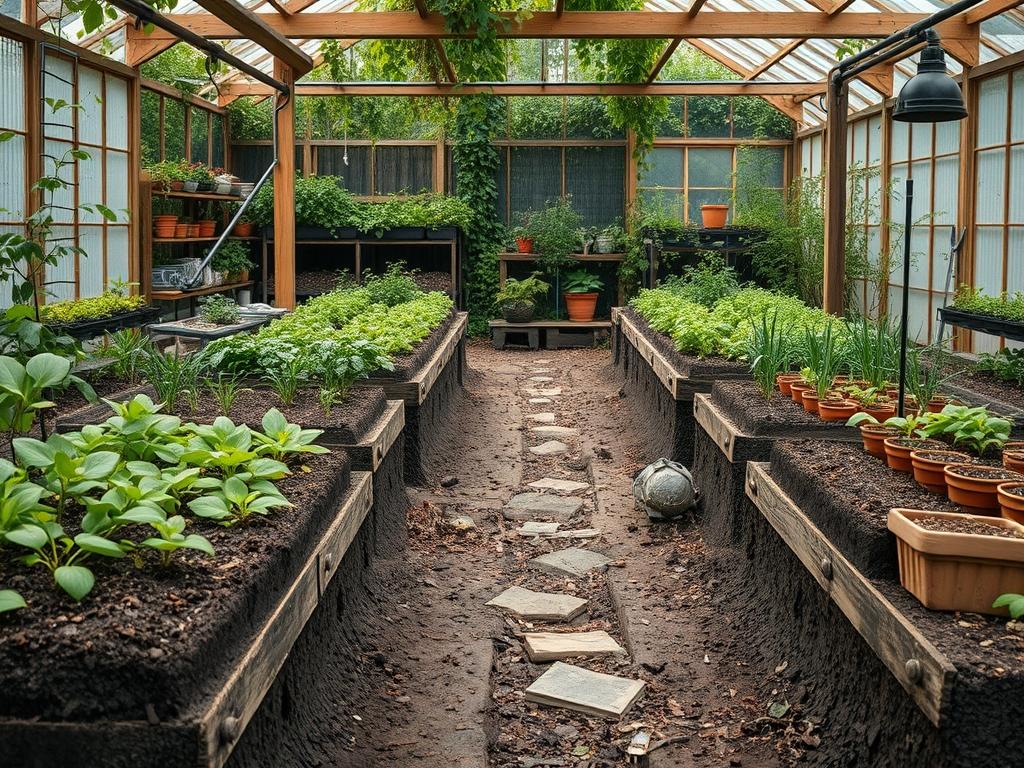
Integrating a traditional root cellar into a residential or farmstead landscape requires a sophisticated understanding of both civil engineering and horticultural design. Most homeowners view these structures as mere utilitarian vaults, yet from a professional landscaping perspective, they represent a complex topographical feature that governs the flow of the entire backyard. The primary challenge involves balancing the need for thermal stability with aesthetic appeal. A poorly managed mound can become an eyesore or a source of drainage problems that threaten the integrity of the home’s foundation. Conversely, a correctly landscaped Traditional Root Cellar functions as a seamless extension of the outdoor living space, providing a naturalistic focal point while performing its job of temperature regulation. We must prioritize site-specific microclimates, ensuring that the vegetation on and around the cellar provides insulation without compromising the structure through invasive root systems.
Landscape Design Principles
When designing the environment surrounding a root cellar, symmetry and visual weight are the first factors to consider. Because most cellars are partially or fully subterranean, they create an artificial elevation change in an otherwise flat yard. To integrate this successfully, we use Retaining walls made of natural fieldstone or weathered timber to terrace the slope. This prevents soil erosion and creates distinct planting pockets. The cellar entrance itself should serve as a secondary focal point, often framed by Symmetrical plantings or Architectural lighting to ensure safe access during the early sunset hours of winter.
Elevation layers are critical for directing the eye. By placing lower-growing groundcovers on the crest of the mound and taller ornamental grasses at the base, we can soften the silhouette of the structure. This layering also aids in snow retention, which acts as a natural insulator for the food stored within. Irrigation planning is another pillar of the design process. Water must be strictly managed to move away from the cellar door and the vent pipes. We typically design a diverting swale or a sloped walkway composed of permeable pavers to ensure that heavy rain events do not lead to internal flooding or humidity spikes.
Plant and Material Selection
The following table outlines the most effective plant species and materials for stabilizing a root cellar mound while maintaining high aesthetic standards.
| Plant Type | Sun Exposure | Soil Needs | Water Demand | Growth Speed | Maintenance Level |
| :— | :— | :— | :— | :— | :— |
| Creeping Thyme | Full Sun | Well-drained | Low | Moderate | Low |
| Blue Fescue | Full Sun / Part Shade | Sandy Loam | Low | Fast | Minimal |
| Sedum | Full Sun | Poor / Rocky | Very Low | Fast | Minimal |
| Daylilies | Full Sun / Part Shade | Rich / Adaptable | Moderate | Fast | Low |
| Switchgrass | Full Sun | Deep Clay / Loam | Moderate | Moderate | Annual Pruning |
| Smooth Sumac | Full Sun | Dry / Rocky | Low | Fast | Occasional Thinning |
In addition to plant life, material selection for the surrounding hardscape is vital. We utilize Non-woven geotextile fabric beneath a 4-inch layer of crushed gravel for the base of walkways. For the mound itself, a 3-inch layer of shredded hardwood mulch provides the necessary moisture retention for plants while preventing the soil from washing away during spring melts.
Implementation Strategy
The process begins with a precise grading plan. We use a Transit level to ensure the surrounding earth slopes away from the cellar entrance at a minimum of a 2-percent grade. This prevents water from pooling against the door, which is the most common point of failure in traditional designs. Once the rough grading is complete, we install a French drain system at the base of the mound. This consists of 4-inch perforated PVC pipe encased in 3/4-inch clean stone, which captures subsurface moisture and redirects it to a lower point in the landscape or a dedicated rain garden.
Edging the mound is the next step. Using Heavy-duty steel edging or Beveled stone blocks, we create a clean transition between the cellar area and the primary lawn. This prevents the spread of aggressive turf grasses into the specialized plantings on the mound. When applying mulch, it is important to maintain a consistent depth of 3 inches but keep the material at least 6 inches away from any wooden door frames or vent covers to prevent rot and pest nesting. Finally, we install Flagstone steps if the mound is steep, ensuring they are set in a concrete sand base for stability during freeze and thaw cycles.
Common Landscaping Failures
The most frequent mistake seen in failed root cellar environments is the planting of large deciduous trees too close to the structure. Species like Willows or Silver Maples possess aggressive, water-seeking root systems that can penetrate mortar joints in stone cellars or cause hairline cracks in concrete shells. These roots eventually expand, leading to catastrophic structural failure or significant water infiltration. It is a professional standard to keep any tree with a projected mature height over 20 feet at a distance of at least 30 feet from the cellar.
Another common failure is soil compaction. If the mound is used as a play area or a high-traffic zone, the soil particles are pressed together, which reduces the insulating R-value of the earth. Compressed soil also lacks the oxygen necessary for plant roots to thrive, leading to “bald spots” that erode during rainstorms. Furthermore, improper irrigation placement, such as pointing spray-head sprinklers directly at the cellar face, can lead to hydrostatic pressure buildup. This pressure forces water through the smallest pores in the building material, causing mold and spoilage of the stored harvest.
Seasonal Maintenance
Spring maintenance involves a thorough inspection of the Grading. We look for signs of “slumping” where the winter snowmelt may have carved small channels into the mound. These must be filled with a 70/30 mix of topsoil and sand and replanted immediately. We also clear the Ventilation pipes of any debris, bird nests, or leaves that accumulated during the autumn.
In the summer, the focus shifts to moisture management. While the plants on the mound need water, the cellar itself must remain dry. We recommend hand-watering the mound with a Soaker hose rather than using high-pressure oscillating sprinklers. This delivers water directly to the roots without saturating the surrounding air or the cellar door.
Autumn is the most active time for a root cellar manager. We apply a fresh 2-inch layer of straw or heavy mulch over the top of the mound to provide extra insulation for the coming frost. All perennial stalks, such as those from Coneflowers or Black-eyed Susans, should be left standing until late winter. This provides a natural windbreak and traps falling snow, which is one of the best thermal insulators available.
During winter, the primary task is path clearance. We avoid using De-icing salts near the cellar, as the runoff can alter the soil PH and damage the subterranean concrete or stone. Instead, we use Coarse sand for traction. It is also vital to keep the Air intake and exhaust vents clear of snow drifts to ensure proper gas exchange inside the vault.
Professional Landscaping FAQ
How deep should the soil cover be over a root cellar?
A minimum of 3 feet of earth is required to maintain a consistent internal temperature of 32 to 40 degrees Fahrenheit. This depth provides the necessary thermal mass to buffer against extreme external temperature fluctuations in summer and winter.
Can I grow a vegetable garden on top of the cellar mound?
Yes, but you must use shallow-rooted crops. Lettuce, Spinach, and Herbs are excellent choices. Avoid deep-rooted perennials or vegetables like Artichokes or Large Tomato cultivars which could interfere with the structural waterproofing layers or the cellar ceiling.
What is the best way to prevent erosion on a steep cellar entrance?
Installing Terraced retaining walls is the most effective method. By breaking the slope into smaller, level sections using 6-by-6 pressure-treated timbers or Natural boulders, you slow down water runoff and provide stable ground for permanent plantings.
How do I handle drainage if my cellar is at the bottom of a hill?
You must install a Swale or Catch basin uphill from the structure. This feature intercepts surface water and moves it around the cellar. Combining this with a Subsurface drainage tile ensures the vault remains dry during heavy storms.
Should I use plastic liners under the landscaping rocks?
No. Plastic liners trap moisture against the soil, which can lead to anaerobic conditions and root rot for your plants. It can also cause “sweating” on the exterior of the cellar. Use Woven landscape fabric which allows the soil to breathe.