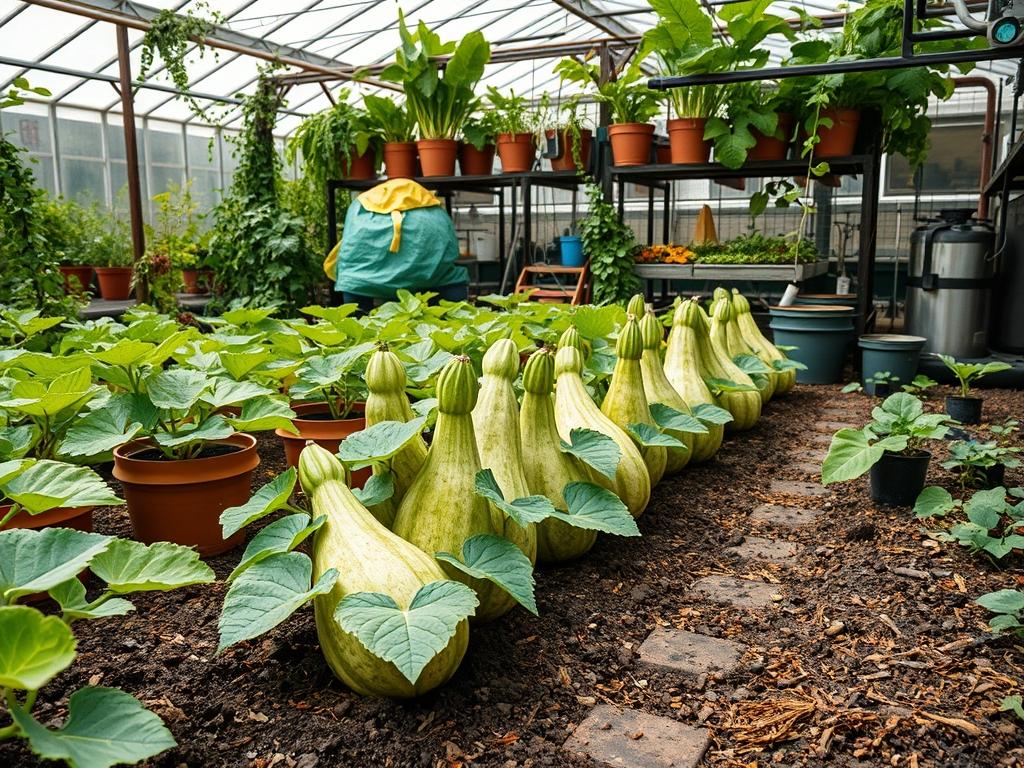
Integrating architectural vines into a modern landscape requires more than simply digging a hole and installing a trellis. For the discerning property owner, the inclusion of gourds offers a unique opportunity to blend structural verticality with functional harvest cycles. Creating a successful environment for these heavy feeders demands a thorough understanding of microclimates, high-load support structures, and soil drainage. When we discuss Saving Gourd Seeds, we are not merely talking about a gardening task; we are addressing a circular landscaping philosophy that ensures the genetic continuity of site-specific cultivars. A well-planned gourd installation enhances curb appeal through dramatic foliage while providing the raw materials for artisan crafts or organic sponges. The primary challenge lies in managing the sheer biomass of these plants, which can easily overwhelm inferior structures or drown in poorly graded soil. Architects must view the gourd vine as a living building material that requires its own set of structural engineering protocols.
Effective landscape planning integrates the growth habit of Lagenaria siceraria (Bottle Gourd) or Luffa aegyptiacas (Luffa) into the permanent site layout. These vines can grow up to 30 feet in a single season, meaning they require a significant amount of vertical real estate. If the goal is long-term sustainability, saving seeds allows the landscape to adapt to the specific pH levels and humidity cycles of the local environment. Over several generations, the seeds collected from the healthiest, most vigorous pods will produce plants that are increasingly resistant to local pathogens like powdery mildew. This practice reduces the need for chemical interventions and ensures that the landscape remains a healthy, low-impact ecosystem. To achieve this, the initial design must account for the full lifecycle of the plant, from the emergence of the first tendrils to the final curing of the pods in the winter air.
Landscape Design Principles
Symmetry and focal points are the cornerstones of a professional outdoor environment. When incorporating gourds, I recommend utilizing heavy-duty Archways or Pergolas to create a formal entrance to the vegetable garden or a transition zone between the lawn and the wilder perimeter. Elevation layers are equally important; while the vines occupy the upper canopy of the garden, the base should be anchored with low-profile perennials or Steel Edging to define the bed. This prevents the messy look often associated with sprawling vines. Visual balance is maintained by ensuring that the mass of the hanging fruit is distributed evenly across the support structure. If one side of a trellis becomes too heavy, it can create an unsightly lean or even structural failure during a heavy rainstorm.
Irrigation planning must be invisible but highly effective. Sub-surface Drip Irrigation Lines are the gold standard for gourd landscaping. Surface watering often leads to fungal issues on the foliage, which can diminish the aesthetic value of the vine before the fruit has had time to mature. By directing water to the roots, we encourage deep root penetration, which is vital for the plant to sustain the weight of several large pods. Walkways should be positioned at least 4 feet away from the main vine trunk to prevent soil compaction, which restricts oxygen flow to the root zone. A well-placed path of Decomposed Granite or Natural Flagstone provides easy access for harvesting and maintenance without disturbing the delicate soil structure required for high-yield seed production.
Plant and Material Selection
| Plant Type | Sun Exposure | Soil Needs | Water Demand | Growth Speed | Maintenance Level |
| :— | :— | :— | :— | :— | :— |
| Bottle Gourd | Full Sun (8+ hours) | Rich Loam, pH 6.5 | High (Soil must stay moist) | Aggressive | Moderate |
| Luffa Sponge | Full Sun | Well-Drained, Sandy | Medium-High | Very Fast | High (Needs pruning) |
| Birdhouse Gourd | Full Sun | High Organic Matter | High | Rapid | Moderate |
| Zinnia (Companion) | Full Sun | Well-Drained | Low | Moderate | Low |
| French Marigold | Full Sun | Average Soil | Moderate | Fast | Low |
Implementation Strategy
The successful implementation of a gourd-centric landscape begins with site grading. The area must be sloped at a minimum of 2 percent to ensure that water moves away from the vine base. Once the grade is established, it is time to install the hardscape. For heavy gourds, I suggest using 4×4 Pressure-Treated Posts anchored in Concrete Footings at a depth of 24 inches. Between these posts, stretch 12-gauge Galvanized Wire or install Heavy-Gauge Cattle Panels. This provides a rigid framework that will not sag under the weight of the ripening pods.
Before planting, the soil should be amended with Composted Manure and a balanced 10-10-10 Fertilizer. Dig a hole twice as wide as the root ball of the seedling to encourage lateral root spread. Once the plant is in the ground, apply a 3-inch layer of Hardwood Mulch to regulate soil temperature and suppress weeds. As the vines reach the trellis, use Garden Twine or Soft Rubber Ties to guide the main leader upward. For those focused on Saving Gourd Seeds, allow the most symmetrical and disease-free fruits to remain on the vine until the stems turn brown and the pods lose their green color. This long-term presence on the trellis adds a sculptural, rustic element to the late-autumn landscape, providing visual interest long after the flowers have faded.
Common Landscaping Failures
The most frequent mistake I see in professional installations is the use of flimsy support structures. A mature Birdhouse Gourd vine laden with fruit can weigh over 100 pounds. Using light plastic netting or thin bamboo stakes will inevitably lead to a collapse, often right at the peak of the season. Another failure point is root overcrowding. Because gourds are aggressive, they compete fiercely for nutrients. Planting them too close to other high-demand species like Tomatoes or Sunflowers results in stunted growth and poor fruit quality.
Soil compaction is a silent killer in many backyard layouts. If the garden was constructed using heavy machinery without subsequent aeration, the Lagenaria roots will struggle to find oxygen. This stress makes them more susceptible to the Cucumber Beetle and other pests. Furthermore, poor drainage can lead to root rot within days of a heavy downpour. If the site is prone to standing water, the architect must specify French Drains or Raised Beds built from Cedar or Natural Stone to elevate the plants above the saturated zone.
Seasonal Maintenance
Spring maintenance focuses on preparation and installation. Test the soil early to determine if Lime or Sulfur is needed to adjust the pH. As seedlings emerge, keep a close eye on the weather; gourds are highly sensitive to frost. Summer is the season of vigilance. Pruning the lateral runners can help focus the plant energy on fruit production rather than excessive foliage. This also improves airflow, which is the best defense against powdery mildew. Ensure the Drip Irrigation system is running on a consistent timer to prevent the moisture fluctuations that cause fruit splitting.
In the autumn, the focus shifts to the harvest and the process of Saving Gourd Seeds. Leave the gourds on the vine as long as possible. Even after a light frost, the pods can remain outdoors to begin the curing process. Once the vine is completely dead, move the pods to a protected, well-ventilated area like a Covered Porch or a Custom Curing Rack. Winter is the time for structural audits. Check trellis tension, repair any damaged wires, and clean up all plant debris to prevent pests from overwintering. This is also when you will finally open the cured gourds to extract the seeds. Shake the pod; if it sounds like a rattle, the seeds are dry and ready for storage in a Cool, Dry Location.
Professional Landscaping FAQ
How do I choose the best pods for saving seeds?
Select gourds from the most vigorous vines that showed the highest disease resistance. The pod should be perfectly shaped and allowed to fully mature on the vine until the stem is completely dry and brown.
Can gourds be grown in large containers on a patio?
Yes, provided the container holds at least 15 gallons of high-quality potting soil. You must also provide a sturdy vertical structure, as the containerized vine will still grow to a significant length and weight.
What is the best way to prevent fruit rot while curing?
Ensure maximum airflow around each pod. If curing outdoors, keep them off the ground using a Wire Mesh Rack. Avoid touching the gourds frequently, as oils from your hands can sometimes encourage mold growth on the skin.
Do gourds require professional pruning like fruit trees?
While not strictly necessary, pruning the main tip after it reaches the top of your trellis encourages the growth of fruit-bearing side branches. This keeps the vine contained within your designated landscape footprint.
How long will saved gourd seeds remain viable?
When stored in an airtight container in a dark, cool environment, gourd seeds typically maintain a high germination rate for 3 to 5 years. Always label your containers with the harvest date and cultivar name.