
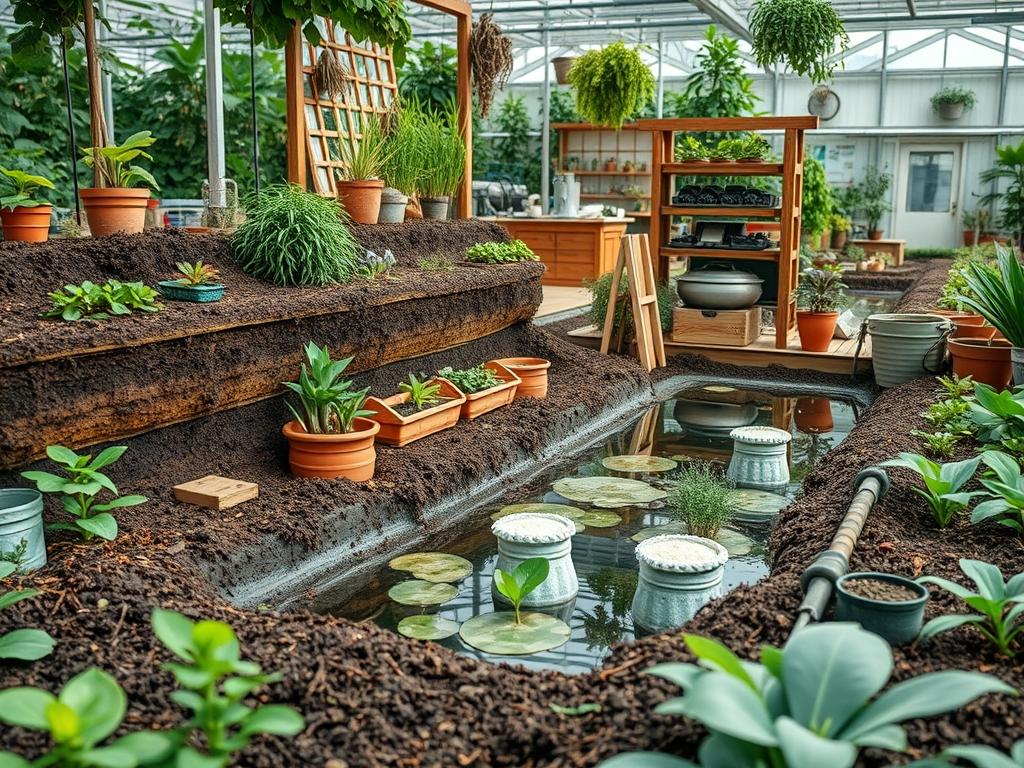
Establishing a self-sustaining pond ecosystem without the use of mechanical pumps or filtration systems represents the pinnacle of naturalistic landscape architecture. This approach, often referred to as a biological or passive pond, relies on the precise calibration of flora, fauna, and site-specific topography to maintain water clarity and health. For the modern homeowner, integrating a pump-free water feature enhances curb appeal by providing a serene, quiet environment that attracts local wildlife while reducing energy consumption and long-term mechanical maintenance. The primary challenge lies in balancing the nitrogen cycle and controlling nutrient loads through biological means rather than electrical force. A well-designed pond functions as a living lung for the garden; it increases property value, mitigates local heat island effects, and serves as a functional reservoir for moisture-loving plant species.
When planning these environments, a landscape consultant must consider the existing climate and the outdoor functionality of the space. In arid regions, the design must prioritize evaporation control and depth to maintain cool water temperatures. In temperate or humid zones, the focus shifts toward managing runoff and preventing stagnant water from becoming a breeding ground for pests. Successfully managing pond ecosystems without pumps requires a shift in perspective. Instead of forcing the water to stay clean through agitation, the architect invites the water to stay clean through biological filtration. This creates a resilient landscape that adapts to seasonal changes and provides a permanent sense of place within the backyard layout.
Landscape Design Principles
The success of a passive pond depends on the application of core design principles that govern both aesthetics and function. Symmetry and visual balance are essential. While natural ponds are rarely perfectly symmetrical, the surrounding landscape should offer a sense of equilibrium. This is achieved by placing larger boulders or dense plantings on one side and balancing them with lower-ground covers or a stone bench on the other. Focal points, such as a large granite erratic or a specific specimen plant like a Japanese Maple, should be situated to draw the eye toward the water reflects without overwhelming the delicate scale of the pond itself.
Elevation layers play a critical role in the oxygenation process, even without a pump. By utilizing the natural slope of the yard, an architect can design a series of shallow pools that gravity-feed into a larger basin. This movement, however slight, facilitates gas exchange. Irrigation planning must also be integrated into the pond design. The pond should not be a destination for chemical-heavy lawn runoff; instead, it should be protected by a buffer zone of native grasses and river rock to filter incoming surface water. Walkways should be designed to encircle the feature at a safe distance, using permeable materials like decomposed granite or flagstone to allow for natural drainage and prevent soil compaction near the water’s edge.
Plant and Material Selection
Selecting the right materials and plants is the most important step in pump-free pond management. You must choose plants that serve specific ecological roles, such as submerged oxygenators, floating plants for shade, and marginal plants for nutrient uptake.
| Plant Type | Sun Exposure | Soil Needs | Water Demand | Growth Speed | Maintenance Level |
| :— | :— | :— | :— | :— | :— |
| Hornwort | Full Sun to Shade | None (Floating) | High | Fast | Low |
| Water Lilies | Full Sun | Heavy Clay | High | Moderate | Moderate |
| Pickerel Weed | Full Sun to Part Shade | Loamy Silt | High | Fast | Low |
| Anacharis | Partial Sun | Sandy Substrate | High | Very Fast | Low |
| Creeping Jenny | Part Sun to Shade | Moist Humus | Moderate | Fast | Moderate |
| Arrowhead | Full Sun | Heavy Muck | High | Moderate | Low |
| Cattails | Full Sun | Wet Clay | High | Aggressive | High |
High-quality materials are equally vital. A 45 mil EPDM liner is the industry standard for durability, providing a puncture-resistant barrier between the water and the earth. For a more natural look, bentonite clay can be used to seal a pond, though it requires specific soil conditions to be effective. Geotextile fabric must be placed under any liner to protect it from sharp roots or rocks.
Implementation Strategy
The implementation of a pump-free pond begins with a rigorous site analysis and grading plan. First, mark the perimeter using marking paint or a garden hose to visualize the shape. Excavation should include multiple shelves at varying depths. The first shelf, typically at 8 to 12 inches, is for marginal plants. The deepest zone should reach at least 24 to 36 inches to provide a thermal refuge for aquatic life and prevent the pond from freezing solid in winter.
Once the hole is dug, verify the levels using a transit level or a straight 2×4 board with a carpenter’s level. The edges must be perfectly level to prevent water from leaking over a low point. After installing the underlayment and liner, secure the perimeter with an edging of natural fieldstone or limestone. This edging should overhang the water slightly to protect the liner from UV degradation. As you fill the pond, place clean pea gravel and larger cobbles on the shelves to provide surface area for beneficial bacteria to colonize. These bacteria are the primary engine of your filtration system, breaking down ammonia and nitrites. Finally, introduce plants immediately to begin the nutrient competition against algae. Aim for 60 percent to 70 percent surface coverage using floating leaves to block sunlight and keep the water cool.
Common Landscaping Failures
The most frequent failure in managing pond ecosystems is improper drainage. If a pond is situated at the lowest point of a property without an overflow exit, it will collect silt, fertilizers, and debris during heavy rain. This leads to eutrophication, where excess nutrients cause massive algae blooms that deplete oxygen. Another common mistake is root overcrowding. Planting aggressive species like Common Reed without containers can lead to the plants choking out the entire pond within a few seasons. Always use aquatic planting baskets to contain vigorous growers.
Soil compaction during the construction phase is another hidden danger. Heavy machinery used near the pond edge can collapse the internal shelves or damage the liner. Furthermore, improper spacing of vertical elements can ruin the visual balance. Over-planting the southern edge of the pond with tall shrubs will block too much sun, which is necessary for the submerged oxygenators to perform photosynthesis. Lastly, many homeowners fail to account for the “settling” of the soil, leading to an uneven pond rim that exposes the black liner, significantly detracting from the curb appeal.
Seasonal Maintenance
Seasonal management ensures the pond remains a healthy focal point throughout the year. In the spring, the priority is removing organic debris that fell in during the winter. Use a long-handled pond net to scoop out decaying leaves. This prevents a nutrient spike as the water warms up. Thin out any floating plants that have multiplied too quickly to ensure at least thirty percent of the water surface remains open for gas exchange.
During the summer, monitor water levels closely. Evaporation can be significant, and you may need to top off the pond using a garden hose equipped with a carbon filter to remove chlorine. If algae begins to form, do not reach for chemicals. Instead, add more submerged oxygenators or provide temporary shade. Autumn requires the most proactive work. Installing a fine mesh net over the surface before the leaves fall will save hours of dredging later. Remove any tropical plants and move them indoors if you live in a cold climate. In winter, the goal is to keep a small hole in the ice to allow carbon dioxide to escape. A floating pond de-icer can be used, or you can simply place a bucket of hot water on the ice to melt a hole. Never strike the ice with a sledgehammer, as the shockwaves can harm dormant fish.
Professional Landscaping FAQ
How do I prevent mosquitoes without a pump?
Maintain a healthy population of predators like dragonfly larvae or backswimmers. You can also use Mosquito Dunks, which contain a natural bacteria called BTI that kills larvae without harming other wildlife or delicate aquatic plants.
Will the water become stagnant and smell?
Not if you have enough submerged plants and beneficial bacteria. Proper oxygenation occurs through the surface and plant photosynthesis. Stagnation occurs only when there is an imbalance of nutrients and a lack of life-sustaining oxygen producers.
How deep should my passive pond be?
A minimum depth of 24 inches is recommended for most climates. In areas with extreme heat or hard freezes, a depth of 36 inches or more ensures a stable bottom temperature, protecting the ecosystem from radical fluctuations.
Do I need to add fish to the pond?
Fish are optional but beneficial. Small species like Rosy Red Minnows eat mosquito larvae. However, avoid large fish like Koi in pump-free systems, as their waste production often exceeds the biological filtration capacity of the plants.
What is the best way to clear green water?
Green water is caused by single-celled algae. The best solution is increasing the quantity of floating plants like Water Lilies to block sunlight. Once the plants establish and starve the algae of nutrients, the water will clear naturally.