
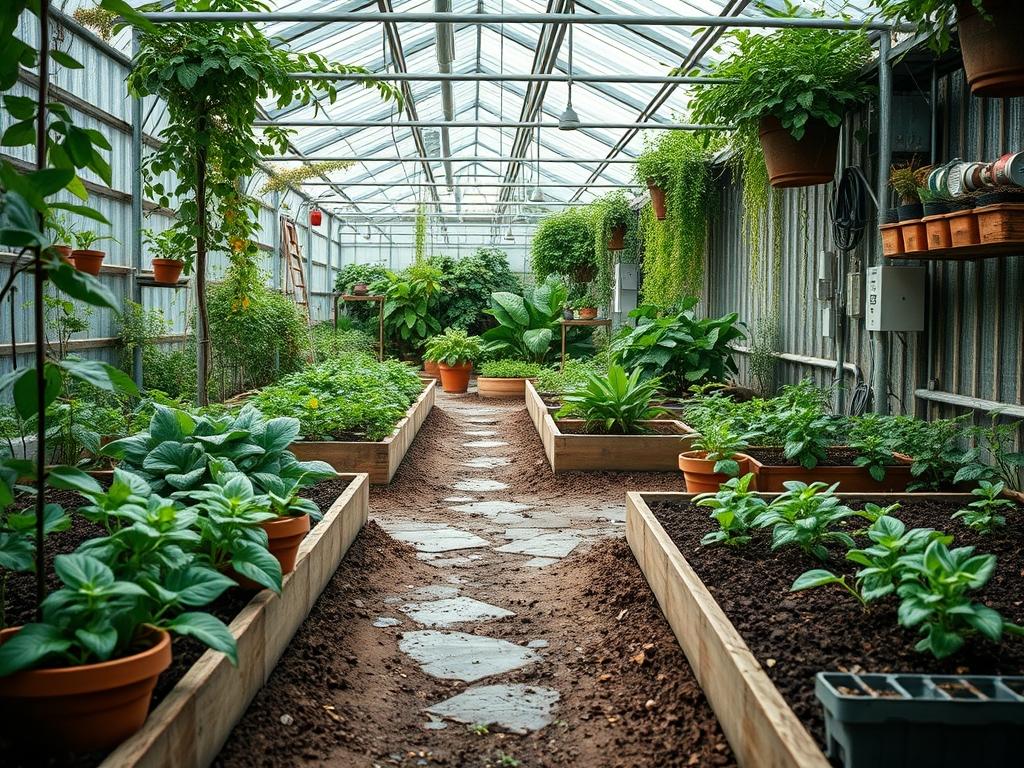
Establishing a high-end landscape requires more than just an aesthetic eye; it demands a strategic approach to biological preservation. Delicate seedlings are the foundation of any long-term planting scheme, yet they represent the most vulnerable stage of the landscape life cycle. From a professional landscape architect’s perspective, the challenge lies in protecting these investments without compromising the soil health or the visual integrity of the outdoor living space. Non-toxic pest barriers serve as the primary defense mechanism in this endeavor. These tools allow us to maintain a clean, vibrant aesthetic while adhering to organic land care standards that many luxury residential clients now demand. By focusing on physical exclusion and natural deterrents, we ensure that the transition from a nursery container to a permanent outdoor installation is seamless and successful.
Climate considerations play a pivotal role in how we deploy these barriers. In regions with high humidity, a barrier must provide adequate airflow to prevent fungal pathogens from settling on young foliage. Conversely, in arid environments, a barrier can double as a micro-climate regulator, retaining a sliver of localized moisture to assist with initial root establishment. When we consider curb appeal, the integration of these barriers must be intentional. We no longer rely on unsightly plastic meshes that detract from the architectural lines of a home. Instead, modern landscape design utilizes structured Cloches, copper accents, and high-grade Fine Mesh Screens that blend into the surrounding vegetation or appear as deliberate design elements. The goal is to create a functional environment where the hardware of protection does not overshadow the software of the plants themselves.
Landscape Design Principles
In professional garden planning, the placement of non-toxic pest barriers must respect the core principles of symmetry and visual balance. We often utilize focal points to draw the eye away from protective structures, or we integrate the barriers into the geometric layout of the beds. For example, a series of Glass Cloches can be arranged in a rhythmic pattern along a walkway to provide protection while adding a vintage, sophisticated flair to the elevation layers of the garden. This approach ensures that the functional necessity of pest control contributes to the overall outdoor functionality.
Elevation layers allow us to stack protection. By using Raised Garden Beds constructed from untreated Cedar or Stone, we create a primary physical elevation that discourages ground-dwelling pests like slugs or hopping insects. Irrigation planning must be synchronized with these barriers. We typically install Drip Irrigation Lines beneath the barrier layer to ensure that water reaches the root zone without requiring the constant removal and replacement of the protective mesh. This preserves the soil structure and prevents the surface compaction that often occurs with overhead watering.
Visual balance is maintained by matching the scale of the barrier to the maturity of the plant. A sprawling Floating Row Cover may be appropriate for a large vegetable plot, but for high-visibility ornamental borders, we prefer individual Wire Cages painted in matte dark tones to recede into the shadows of the foliage. These design choices ensure that the landscape remains an inviting space for outdoor living even during the sensitive early growth phases.
Plant and Material Selection
Selecting the right materials involves balancing the biological needs of the seedling with the durability required for outdoor exposure. The following table highlights common plants found in professional landscapes and the specific environmental requirements needed when paired with non-toxic barriers.
| Plant Type | Sun Exposure | Soil Needs | Water Demand | Growth Speed | Maintenance Level |
| :—: | :—: | :—: | :—: | :—: | :—: |
| Buxus Sempervirens | Full to Partial | Well-drained | Moderate | Slow | Medium |
| Lavandula Angustifolia | Full Sun | Sandy/Lean | Low | Moderate | Low |
| Echinacea Purpurea | Full Sun | Loamy | Moderate | Fast | Low |
| Brassica Oleracea | Full Sun | Rich/Organic | High | Fast | High |
| Fragaria Ananassa | Full Sun | Humus-rich | Medium | Fast | Medium |
| Hydrangea Macrophylla | Partial Shade | Moist/Acidic | High | Moderate | Medium |
When selecting materials for barriers, we prioritize longevity. Copper Tape is an excellent choice for perimeter protection around Non-Toxic zones, as it creates a natural galvanic reaction that deters mollusks. For larger areas, Agribon Fabric provides a lightweight, UV-stabilized option that protects seedlings from both insects and light frosts without trapping excessive heat.
Implementation Strategy
The implementation of a professional-grade pest barrier system begins with proper site preparation. Before any seedlings are placed in the ground, the Grading of the area must be verified. Proper slope ensures that water moves away from the base of the seedlings, preventing the damp conditions that attract pests and cause root rot. Once the grade is established, we implement Edging using Steel or Recycled Composite to define the boundaries of the planting bed. This edge serves as the first line of defense and a stable anchor for various barrier types.
Next, we address the soil. A layer of high-quality Organic Mulch, roughly 3 Inches deep, is applied to suppress weeds and regulate temperature. When installing rows of seedlings, we use No-Tumble Hoops made of Galvanized Steel to support Floating Row Covers. These hoops are spaced at 4-Foot intervals to ensure the fabric does not sag and touch the plants. The edges of the fabric are secured with U-Shaped Landscape Staples or heavy stones to prevent wind lift and pest entry at the soil level.
For individual specimen plants, we often employ the use of Hardware Cloth buried 6 Inches into the ground. This prevents burrowing rodents from reaching the tender root systems of new shrubs. In areas with high avian activity, Bird Netting should be tensioned over a frame rather than draped directly over the plant; this prevents entanglement and creates a more professional, architectural silhouette. Finally, drainage must be monitored. If a barrier is found to be pooling water, the Drainage path must be cleared or the soil amended with Perlite to increase porosity.
Common Landscaping Failures
One of the most frequent mistakes in seedling protection is ignoring the impact of soil compaction. When technicians walk repeatedly over the same areas to adjust barriers, they crush the macro-pores in the soil, which limits oxygen delivery to the roots. To avoid this, we design permanent Walkways or use Laying Boards to distribute weight during maintenance tasks. Another common failure is root overcrowding within a protective structure. A barrier that is too small for the plant’s growth rate will create a humid, stagnant micro-environment that invites aphids and spider mites.
Improper spacing of seedlings often leads to competition for light and nutrients, which weakens the plant’s natural defenses. Even with the best Non-Toxic Pest Barriers, a weak plant will eventually succumb to stress. We also see many irrigation inefficiencies. If the Irrigation Emitters are blocked by the barrier or the mulch, the seedling may suffer from localized drought while the surrounding area appears wet. Always ensure that the Drip Lines are tested and visible before the final barrier installation.
Seasonal Maintenance
Landscape management is a year-round commitment. In the spring, the focus is on deployment and monitoring. As the ground thaws, we check the integrity of Copper Tape and replace any Row Covers damaged by winter storms. This is the peak season for pest activity, so daily inspections are necessary to ensure no intruders have breached the perimeter.
Summer maintenance involves ventilation and hydration. On days where temperatures exceed 85 Degrees Fahrenheit, solid barriers should be lifted or replaced with Shade Cloth to prevent heat stress. We also thin out any dense foliage that might hinder airflow. Autumn is the time for transition. As seedlings mature into established plants, many barriers can be removed. We clean and store reusable items like Glass Cloches and Steel Hoops to prevent the spread of pathogens to next year’s crop.
Winter focuses on protection of the soil and any late-season perennials. We apply a heavier layer of Wood Chip Mulch and may install Burlap Screens to protect young evergreens from desiccating winter winds. This dormant season is also the ideal time to plan for the next year’s layout, ensuring that the Landscape Design remains dynamic and responsive to the evolving needs of the environment.
Professional Landscaping FAQ
How do I choose between mesh and solid barriers?
Mesh is superior for airflow and light penetration in humid climates. Solid barriers, like glass or heavy plastic cloches, are better for early spring heat retention and protecting against significant temperature drops during the seedling’s initial establishment phase.
Will copper tape really stop slugs and snails?
Yes, copper reacts with the slime produced by mollusks to create a small electric sensation. To be effective, the copper must be clean and form a continuous loop around the pot or the base of the Raised Bed.
How deep should I bury my underground barriers?
For effective protection against voles and gophers, Hardware Cloth or mesh should be buried at least 6 to 12 Inches deep. Curving the bottom of the mesh outward in an ‘L’ shape further discourages pests from digging underneath the barrier.
Does mulch attract more pests to my seedlings?
While mulch provides cover, its benefits for moisture retention usually outweigh the risks. To minimize pests, keep mulch 2 Inches away from the actual stem of the seedling. This prevents rot and hides the stem from crawling insects.
Can I leave row covers on all season long?
Only if they are made of highly breathable, light-transmitting fabric. However, you must remove them once the plants begin flowering to allow for pollination by bees and other beneficial insects, which is vital for fruit and seed production.