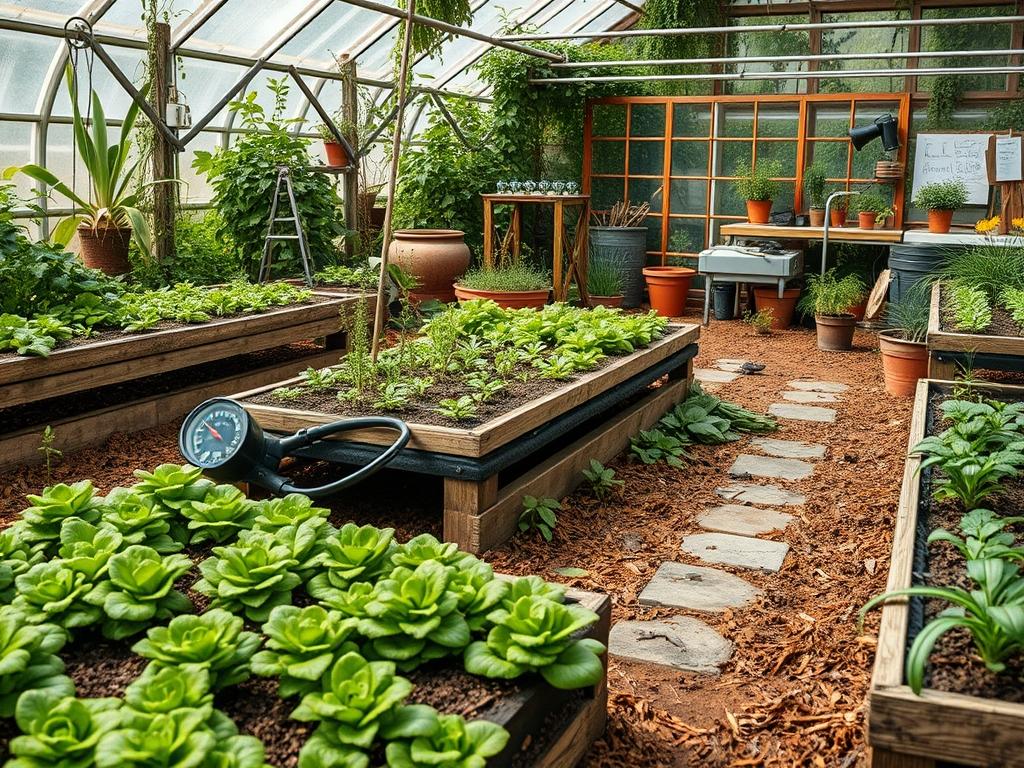
Integrating a functional composting system into a modern landscape often presents a significant aesthetic challenge for homeowners and designers alike. Traditional compost piles are frequently relegated to the furthest corners of a property because they are perceived as unsightly or disorganized. However, this separation creates a literal and figurative gap in nutrient cycling. By Designing Keyhole Beds, a concept originally refined in arid climates for maximum efficiency, a landscape architect can bridge this gap. These structures serve as a primary focal point while performing the heavy lifting of waste decomposition. The keyhole design transforms a utilitarian process into a sculptural element that enhances curb appeal and maximizes outdoor functionality. Through careful elevation management and the use of high quality materials, these beds provide a self-fertilizing ecosystem that thrives even in challenging soil conditions.
Proper site analysis is the first step in successful integration. One must consider the visual relationship between the bed and the existing architecture. Because keyhole beds are typically circular and raised, they introduce a soft, organic geometry to a backyard that may otherwise be dominated by the linear paths of fences and patios. This shift in the landscape’s rhythm allows for better traffic flow and creates a more immersive gardening experience. When positioned correctly, a keyhole bed acts as a destination within the garden, encouraging interaction with the environment while simultaneously streamlining the labor required to maintain a high yield vegetable or ornamental display.
Landscape Design Principles
In the realm of professional landscaping, symmetry and proportions are paramount. A standard keyhole bed is usually designed with a 6 foot diameter, which allows a gardener to reach every square inch of the planting surface without ever stepping on the soil. This prevents soil compaction, a common issue in traditional row gardening that stifles root respiration. The central feature of this design is the compost basket, a vertical cage made of hardware cloth or perforated cedar. This basket is the heart of the system, acting as both a focal point and a nutrient delivery hub.
Elevation layers play a critical role in the visual impact of the design. By using retaining walls built from natural limestone, weathered brick, or high-density polyethylene timber, the landscape architect can create a tiered effect. This verticality is not just for show; it provides easier access for those with mobility issues and improves drainage by utilizing gravity. The bed should be slightly sloped, with the highest point at the center basket, allowing moisture and leached nutrients to migrate outward toward the perimeter plants through capillary action. Irrigation planning is simplified in this model, as water applied directly to the compost core distributes hydration deep into the soil horizon, reducing evaporation losses significantly.
Walkways surrounding the bed must be deliberate. Using crushed granite, river rock, or flagstone ensures that the area remains clean and accessible during rainy seasons. The “notch” or the “keyhole” of the design should be wide enough, typically 24 inches, to allow for easy access with a garden cart or wheelbarrow. This ensures that the process of adding green and brown waste to the center remains a seamless part of the outdoor living experience rather than a difficult chore.
Plant and Material Selection
Selecting the right vegetation for a keyhole bed requires an understanding of how moisture and nutrients move through the raised structure. Heavy feeders should be placed closest to the center basket, while more drought-tolelrant species thrive at the outer edges where the soil might dry out faster.
| Plant Type | Sun Exposure | Soil Needs | Water Demand | Growth Speed | Maintenance Level |
| :— | :— | :— | :— | :— | :— |
| Bush Beans | Full Sun | Loamy, Well-drained | Medium | Fast | Low |
| Swiss Chard | Full/Partial Sun | Rich Organic Matter | High | Medium | Moderate |
| Zucchini | Full Sun | Nutrient Dense | High | Fast | High |
| French Marigolds| Full Sun | Average | Low | Medium | Low |
| Sweet Potatoes | Full Sun | Loose, Deep Soil | Moderate | Fast | Low |
| Rosemary | Full Sun | Gritty, Sandy | Low | Slow | Low |
The materials used for construction determine the longevity of the installation. For the outer walls, corrugated metal provides a contemporary industrial look, while stacked stone offers a timeless, rustic feel. When filling the bed, a technique similar to hugelkultur is often employed. The base layer should consist of 8 inches of large woody debris, followed by layers of straw, manure, and high quality topsoil. This layered approach ensures long term fertility and structural integrity as the organic matter slowly breaks down over several years.
Implementation Strategy
The transition from a blueprint to a finished keyhole bed involves a systematic approach to site preparation and assembly. First, the area must be cleared of existing turf using a straight-blade spade. Grading is essential; even though the bed is raised, the ground beneath it should be level to prevent the structure from shifting over time. Once the footprint is marked with marking paint, the central compost basket should be installed. This cylinder is usually 12 inches in diameter and stands about 4 feet tall, extending from the base of the bed to slightly above the soil line.
After the basket is secured, the outer perimeter is constructed. If using stone, a shallow trench of 3 inches should be dug to provide a stable foundation. As the walls rise, the interior is filled with the specified organic layers. Edging is not just about aesthetics; it serves as a barrier against invasive lawn grasses. A deep 4 inch steel or plastic edge around the walkway helps maintain the distinction between the garden and the lawn.
Once the soil is in place, applying a 3 inch layer of shredded hardwood mulch or pine straw is vital. This mulch depth regulates soil temperature and prevents the “crusting” of the surface which can impede water infiltration. Drainage must be monitored during the first few heavy rains to ensure that the base layer is not trapping water, which could lead to anaerobic conditions in the compost core.
Common Landscaping Failures
One of the most frequent errors in Designing Keyhole Beds is the failure to account for hydrostatic pressure. When a raised bed is filled with wet soil and organic matter, it exerts significant outward force on the walls. If the retaining wall is not properly reinforced or if the stones are not offset correctly, the structure may bulge or collapse within two seasons. Using long deck screws for timber beds or construction adhesive for stone caps helps mitigate this risk.
Root overcrowding is another issue that designers must anticipate. Because the soil in a keyhole bed is exceptionally rich, plants often grow much larger than they would in standard garden soil. If Zucchini or Spalding peppers are spaced too closely according to standard seed packet instructions, they will quickly shade out smaller herbs like Basil or Thyme. Proper spacing, usually 18 inches between major plants, is necessary to maintain air circulation and prevent fungal diseases like powdery mildew. Lastly, irrigation inefficiencies often stem from a lack of “priming” the compost basket. If the center material is too dry, it will actually wick moisture away from the plants. The basket must be kept consistently damp to facilitate the breakdown of matter and the movement of nutrients.
Seasonal Maintenance
Managing a keyhole bed requires a shift in perspective across the four seasons to ensure the biological engine remains active.
- Spring: This is the season for revitalization. Remove any undecomposed material from the compost basket and spread it across the surface of the soil. Refresh the top layer with 1 inch of fresh compost and check the structural integrity of the walls. It is also the ideal time to inspect the soaker hoses if an automated irrigation system is integrated.
- Summer: During peak heat, the primary goal is moisture retention. High evaporation rates can stall the composting process. Ensure the compost basket is topped with a layer of wet straw to keep the core cool. Prune any aggressive foliage that might be blocking the “keyhole” entrance.
- Autumn: As the harvest winds down, the bed should be prepared for dormancy. Plant cover crops like Clover or Winter Rye to prevent soil erosion and fix Nitrogen for the following year. Continue adding fall leaves to the center basket, as these carbon-rich materials are essential for balancing the nitrogen-heavy kitchen scraps added during the summer.
- Winter: In colder climates, the biological activity will slow down. To keep the microbes active as long as possible, wrap the exposed part of the compost basket with burlap or heavy plastic. This insulation helps maintain internal heat. Avoid heavy digging during this time to protect the soil structure while it is frozen or overly saturated.
Professional Landscaping FAQ
Can I build a keyhole bed on a concrete patio?
Yes, but you must provide a drainage layer of gravel at the bottom. Ensure the walls are high enough, at least 2 feet, to hold sufficient soil volume. Use a liner to prevent the concrete from leaching lime into the soil.
What materials should I avoid putting in the center basket?
Avoid meat, dairy, or oily foods as these attract pests and create foul odors. Stick to vegetable scraps, coffee grounds, eggshells, and shredded cardboard. Ensure the “green” and “brown” ratio stays balanced for optimal decomposition.
How often does the soil need to be replaced?
The soil should never need full replacement if the composting system is active. You only need to add a few inches of fresh organic matter annually to account for the natural settling and decomposition of the base layers within the bed.
Is a keyhole bed suitable for native wildflowers?
While possible, native plants often prefer leaner soil. A keyhole bed is designed for high-nutrient production. If planting natives, choose species that thrive in “bottomland” conditions or those that are particularly aggressive feeders to prevent nutrient burn.
How do I prevent the basket from smelling?
A well-maintained keyhole bed should have an earthy scent. If it smells, it is likely too wet or lacks oxygen. Add more “brown” materials like dry leaves or straw and use a garden fork to lightly aerate the basket contents.