
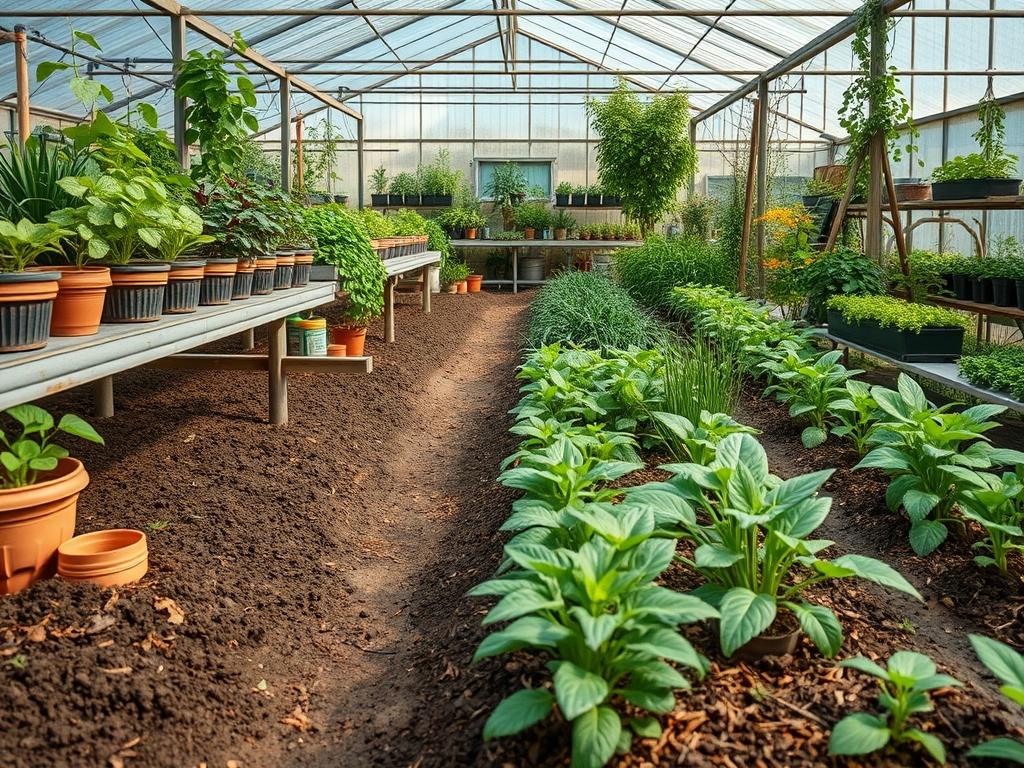
Designing a high-end landscape requires a deep appreciation for the silent, rhythmic patterns of the local ecosystem. Homeowners and developers often view a backyard as a static canvas of green and stone, but in reality, it is a living laboratory where temperature, humidity, and light dictate the health of every leaf. Curb appeal is significantly influenced by how well a designer anticipates the biological pest cycles that emerge with the shifts in the seasons. If a professional ignores the timing of larval development or the migratory patterns of beneficial insects, even the most expensive hardscaping will eventually feel like a burden rather than a sanctuary. A successful outdoor environment prioritizes long term functionality, ensuring that subsurface drainage systems and irrigation zones work in tandem to create a resilient baseline against environmental stress. By understanding the life stages of both plants and the insects that inhabit them, we can transition from reactive chemical applications to a proactive, integrated management strategy.
Landscape Design Principles
Professional landscape architecture begins with the concept of visual balance and the strategic use of elevation layers. To create a space that feels grounded, one must establish clear focal points that draw the eye toward specific architectural features or majestic specimen plants. This might involve the placement of a large-scale stone urn or a centennial oak at the end of a sightline. Symmetry can provide a formal, classical feel, while asymmetry often lends itself to a more natural, modern aesthetic. In either case, the use of retaining walls constructed from natural stack stone or modular concrete blocks allows for the management of slope issues while adding vertical interest to a flat lot.
Layering is another essential principle. A well-designed garden utilizes groundcovers, mid-sized shrubs, understory trees, and a high canopy to mimic the structure of a forest edge. This layering is not merely for show; it creates varied microclimates that support a diverse range of predatory insects, which are the first line of defense in biological pest cycles. Walkways made of permeable pavers or crushed slate should be wide enough for two people to walk abreast, typically measuring at least 48 inches in width. These paths define the movement through the space and provide necessary access for maintenance crews to reach internal sections of the beds without causing soil compaction. Furthermore, the integration of smart irrigation controllers ensures that water is delivered precisely to the root zones, reducing the excess humidity that often triggers fungal outbreaks and attracts unwanted pests.
Plant and Material Selection
The following table outlines high-performance selections for various landscape conditions. Selecting the right plant for the right place is the most effective method for disrupting the negative impacts of biological pest cycles.
| Plant Type | Sun Exposure | Soil Needs | Water Demand | Growth Speed | Maintenance Level |
| :— | :— | :— | :— | :— | :— |
| Boxwood Shrub | Partial to Full Sun | Well-drained | Moderate | Slow | Medium |
| Purple Coneflower | Full Sun | Poor to Average | Low | Fast | Low |
| Japanese Maple | Filtered Sun | Loamy/Acidic | Moderate | Slow | High |
| Kentucky Bluegrass | Full Sun | Rich Organic | High | Fast | High |
| Lavender | Full Sun | Sandy/Gravelly | Low | Moderate | Low |
| American Holly | Full to Partial Sun | Moist/Acidic | Moderate | Moderate | Low |
| River Birch | Full Sun | Wet/Clay | High | Fast | Medium |
When selecting materials, prioritize durability and permeability. Hardwood mulch is a staple for a reason; it suppresses weeds and retains moisture. However, the depth must be managed carefully. Basalt rock or river pebbles can be used in high-traffic or high-drainage areas where organic mulch might wash away. For plant health, focus on native species that have co-evolved with local insect populations. These plants often have natural defenses against common pests, which means they can withstand the larval stages of the biological pest cycle without requiring intensive chemical intervention.
Implementation Strategy
The transition from a blueprint to a finished landscape requires a disciplined execution of the “bones” of the garden. Grading is the most critical first step. The ground must be sloped at a minimum of a 2-percent grade away from all structures to prevent water from pooling near the foundation. Once the rough grade is established, the installation of perforated drainage pipes and French drains should be completed before any decorative elements are placed. These systems should be wrapped in filter fabric to prevent silt from clogging the lines over time.
After the infrastructure is in place, the focus shifts to soil preparation. Use a rototiller to incorporate organic compost into the top 6 inches of the existing soil. This improves the cation exchange capacity and provides the necessary nutrients for young plants. When laying out the garden, use marking paint to trace the edges of the beds. High-quality steel edging or tethered brick borders provide a clean break between the turf and the planting zones, which prevents aggressive grasses from encroaching on the flowers.
When planting, the hole for each shrub or tree should be twice as wide as the root ball but no deeper. This ensures that the root flare remains at the soil surface, preventing crown rot. After planting, apply a 3-inch layer of double-shredded cypress mulch, making sure to keep the material a few inches away from the trunks of the plants. This mulch layer acts as a buffer against temperature swings and serves as a habitat for ground-dwelling beneficial insects like ground beetles, which consume the pupae of harmful pests during their developmental cycles.
Common Landscaping Failures
One of the most frequent mistakes witnessed in professional consulting is the habit of root overcrowding. Designers often want a full look immediately, so they plant shrubs too close together. Within three to five years, these plants compete for light and nutrients, leading to stressed specimens that are highly susceptible to scale insects and aphids. Always research the mature spread of a species and space them accordingly, filling the temporary gaps with annuals or light groundcovers instead.
Soil compaction is another silent killer of high-end landscapes. Heavy machinery used during construction can crush the air pockets in the soil, preventing roots from breathing and water from infiltrating. If you see standing water in an area that should be dry, you likely have a compaction issue that requires mechanical core aeration. Additionally, improper irrigation timing can ruin even the best designs. Watering in the late evening keeps the foliage damp throughout the night, which is an open invitation for powdery mildew and leaf spot fungi. Professional systems should be programmed to run in the early morning hours, allowing the rising sun to dry the leaves quickly.
Seasonal Maintenance
To manage biological pest cycles effectively, maintenance must be viewed through a seasonal lens rather than a generic monthly checklist. In the spring, focus on emergence. This is the time to apply dormant oil sprays to smother the eggs of spider mites and scale before they hatch. Perform a thorough cleanup of the beds, but leave some leaf litter in the back corners of the property to host emerging ladybugs and lacewings.
During the summer month, the goal is hydration and monitoring. Use soaker hoses to provide deep watering during heatwaves. Keep an eye out for the peak of the Japanese beetle cycle; these pests can defoliate a Linden tree in a matter of days. In the autumn, the priority shifts to sanitation. Remove and bag any foliage that shows signs of disease. Many pathogens and pest eggs overwinter in fallen leaves, so removing this material from the garden floor breaks the cycle for the following year. Finally, in the winter, focus on structural pruning. Use sharp bypass pruners and loppers to remove dead, damaged, or crossing branches. This improves airflow and light penetration, making the environment much less hospitable for pests when the weather warms again.
Professional Landscaping FAQ
How does biological pest management differ from traditional spraying?
Traditional spraying uses broad-spectrum chemicals to kill insects on contact. Biological management focuses on the timing of life cycles, using beneficial insects, habitat manipulation, and targeted, low-impact treatments to maintain an ecological balance without harming the surrounding environment.
What is the best way to improve yard drainage?
Effective drainage starts with proper grading to move water away from structures. For low spots, installing a catch basin or a dry creek bed filled with river rock can manage surface runoff and redirect it to a designated outlet.
Why are native plants better for pest control?
Native plants have evolved alongside local insects. They often produce specific chemical compounds that deter generalist pests while providing the necessary food and shelter for specialized predatory insects that keep the harmful pest populations in check naturally.
How often should I refresh my mulch?
Organic mulch should be topped off once a year, typically in the spring. You do not need to remove the old layer unless it has become thick and hydrophobic; aim for a consistent 2 to 3 inch total depth.
Can I install hardscaping over an area with poor drainage?
Installing pavers or concrete over poorly drained soil will lead to shifting, cracking, and heaving. You must first address the underlying soil issues with a sub-base of compacted gravel and proper perforated piping to ensure longevity.