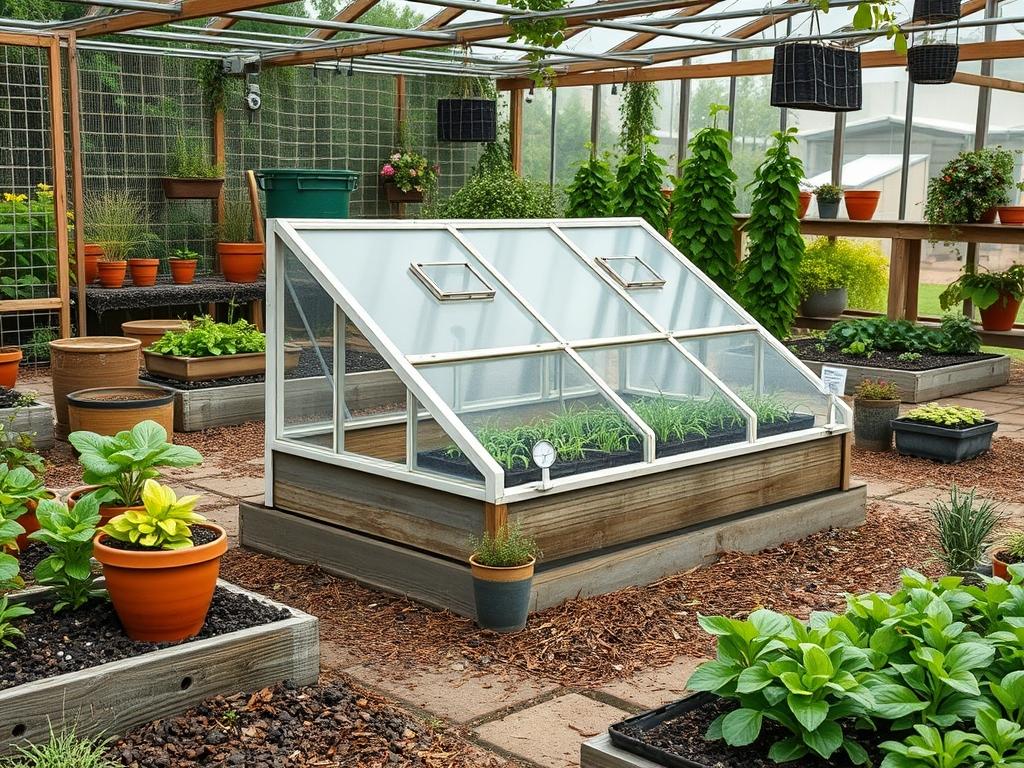
Climate control in the residential landscape often requires a delicate balance between utility and visual harmony. For many homeowners, the primary goal is to extend the growing season without compromising the architectural integrity of the backyard. This is where traditional cold frames significantly outshine modern plastic tunnels. While plastic tunnels offer a quick, temporary solution for large scale food production, they frequently detract from the curb appeal of a professional landscape design. A well constructed cold frame, however, functions as a permanent architectural feature. It provides a sense of deliberate craftsmanship that integrates seamlessly with established garden beds, stone walkways, and hardscaped patios. By opting for durable materials such as Red Cedar, recycled glass, or heavy-duty polycarbonate, a designer can anchor the garden’s transition from winter dormancy into early spring vibrancy.
The choice of a traditional cold frame over a plastic structure is often rooted in the concept of thermal mass. Plastic tunnels are lightweight and prone to rapid temperature fluctuations. In contrast, traditional structures built with brick or heavy timber retain heat during the day and radiate it back to the plants during the frozen night hours. This stability is essential for the health of delicate seedlings or late season greens. Furthermore, from a landscape architect’s perspective, the permanence of a cold frame allows for better integration with the existing drainage and irrigation infrastructure. Instead of a flimsy structure that must be anchored with sandbags or stakes, a traditional frame can be built atop a concrete footing or a gravel base, ensuring it remains a functional part of the environment for decades rather than a single season.
Landscape Design Principles
Integrating a cold frame into a master plan requires a deep understanding of site orientation and visual balance. Siting is the most critical factor. To maximize solar gain during the low winter sun, the frame must be oriented south. This positioning is not merely about plant health; it is about creating a focal point that catches the light. When we design for symmetry, we often place dual cold frames on either side of a central flagstone path. This creates a formal, organized aesthetic that mimics the classical orangeries of European estates.
Elevation layers are another vital consideration. A cold frame should not look like an afterthought dropped onto the grass. Instead, it should be built into the topography. If your garden has a slope, a cold frame can be integrated into a retaining wall, using the thermal mass of the hillside to further insulate the roots. This use of elevation creates a multi-dimensional garden where the eye moves from the ground cover up to the structural lines of the timber frames.
Irrigation planning must also be addressed during the design phase. Unlike plastic tunnels, which often rely on manual watering or haphazard hose placement, a traditional cold frame can be fitted with permanent drip irrigation lines. By burying these lines beneath the hardwood mulch and entering the frame through the baseboard, the landscape maintains a clean, uncluttered appearance. This level of detail ensures that the outdoor environment remains functional and beautiful, satisfying the requirements of high end residential landscaping.
Plant and Material Selection
The success of a season-extension project depends heavily on selecting species that thrive in the unique microclimate of a protected environment. Below is a professional selection of plants and materials suitable for a high performing cold frame system.
| Plant Type | Sun Exposure | Soil Needs | Water Demand | Growth Speed | Maintenance Level |
| :— | :— | :— | :— | :— | :— |
| Spinach | Full Sun | Rich Loam | Medium | Fast | Low |
| Lacinato Kale | Partial to Full | Well Draining | High | Moderate | Low |
| Swiss Chard | Full Sun | Organic Matter | Medium | Fast | Medium |
| Carrots | Full Sun | Sandy/Loose | Low | Slow | Low |
| Pansies | Partial Sun | Moist/Fertile | Medium | Moderate | Medium |
| Arugula | Partial Sun | High Nitrogen | Medium | Very Fast | Low |
| Radishes | Full Sun | Loamy/Light | Low | Very Fast | Low |
For the construction materials, we recommend western red cedar for its natural rot resistance and aesthetic warmth. For the glazing, double-walled polycarbonate offers superior R-value insulation compared to single pane glass, though glass remains the gold standard for clarity and visual appeal. To manage the temperature, automatic vent openers powered by wax cylinders are indispensable. These tools require no electricity; they simply expand and contract with the heat to lift the lid, preventing the plants from scorching on unexpectedly warm autumn afternoons.
Implementation Strategy
The transition from a conceptual design to a physical installation requires a methodical approach to ground preparation. The first step is grading. The area where the cold frame will sit must be perfectly level to ensure the lid closes tightly, preventing heat loss. We begin by excavating the site to a depth of 6 inches, backfilling it with compacted pea gravel. This layer provides an essential drainage plane that prevents water from pooling around the base of the wood.
Once the base is set, we construct the frame using 4×4 posts at the corners for structural integrity. The back wall should be higher than the front wall, typically creating a 10 degree to 15 degree slope. This angle is optimized for shedding rainwater and capturing the maximum amount of sunlight. We secure the walls using stainless steel screws to prevent rust streaks from marring the wood over time.
For the interior, we recommend installing a liner of heavy-duty pond liner or polypropylene around the inside of the wood to further protect the timber from constant contact with moist soil. The soil within the frame should be a premium blend of compost, vermiculite, and topsoil. Finally, the exterior should be finished with a clean edge of metal landscape edging or cobblestone to separate the structure from the surrounding lawn or garden paths. This creates a crisp transition that defines the cold frame as a deliberate architectural element.
Common Landscaping Failures
One of the most frequent mistakes in cold frame implementation is poor drainage. If the frame is placed in a low-lying area of the yard, it will act as a collection basin for runoff. This leads to soil compaction and root rot. Professional designers avoid this by assessing the grade of the entire property before selecting the site. If the site is inherently wet, we install a French drain or a perforated pipe system to carry excess water away from the structure.
Ventilation failure is another common issue. Beginners often forget that even a cold winter day with clear skies can turn a sealed cold frame into an oven. Temperatures inside can easily climb 40 degrees higher than the ambient air. Without automatic vent openers or a diligent manual schedule, entire crops can be lost in a single afternoon.
Root overcrowding is also a concern. High density planting is tempting in a small space, but without proper spacing, air circulation decreases. This creates a humid environment where powdery mildew and other fungal pathogens thrive. We recommend following strict spacing guidelines and thinning seedlings early to ensure a healthy, productive environment. Lastly, some homeowners fail to account for the weight of the lids. Glass panes are heavy. If the hinges are not rated for the weight, or if there is no safety chain to prevent the lid from flipping back, the structure can become a safety hazard during high winds.
Seasonal Maintenance
A traditional cold frame requires a different maintenance rhythm than the rest of the landscape. In the spring, the focus is on sanitation. As the weather warms, remove any lingering debris and scrub the polycarbonate panels with a mild soap solution. This maximizes light transmission for the new crop of spring seedlings. This is also the time to check the weather stripping around the lid and replace any segments that have cracked or lost their seal.
During the summer months, the cold frame often stays open or the lids are removed entirely to prevent overheating. It can be repurposed as a nursery bed for heat-loving herbs. In the autumn, the primary task is thermal management. We apply a fresh 2 inch layer of mulch around the exterior base to insulate the ground. This is also the best time to check the tightness of all stainless steel fasteners and ensure the wood is still shedding water effectively.
Winter maintenance is largely about snow management. Unlike plastic tunnels, which may collapse under a heavy load, a traditional frame is sturdy. However, heavy snow on the glass still blocks the light. We use a soft-bristled broom to clear the lids after every major storm. If the temperature drops into the single digits, we may drape insulated frost blankets over the frame at night, removing them the next morning to allow the sun to recharge the internal heat.
Professional Landscaping FAQ
How does a cold frame affect my property value?
Unlike temporary plastic structures, a permanent, high quality cold frame is considered a site improvement. It functions as an architectural garden feature, similar to a gazebo or a well built retaining wall, which enhances the overall curb appeal and perceived value.
What is the best wood for a long lasting frame?
Western Red Cedar and Black Locust are the premier choices. These species contain natural oils that resist rot and insect infestation. Avoid using standard pine unless it is properly treated, as it will likely decay within three to five years.
Can I use a cold frame on a patio?
Yes, cold frames can be placed on hardsurfaces. In this scenario, we use a subterranean drainage tray or a raised floor system to manage runoff. This allows for seasonal vegetable production on paver patios or concrete terraces without staining the stone.
How do I prevent pests from entering the frame?
We install a fine stainless steel mesh or hardware cloth at the base of the frame before adding soil. This prevents burrowing rodents from entering. For flying insects, we use removable screen inserts that can be swapped with the glass lids.
Does a cold frame require a building permit?
In most jurisdictions, a cold frame is classified as a portable garden structure or a small accessory building. Because they are typically under 15 square feet and lack permanent utility hookups, they rarely require formal building permits or zoning approval.