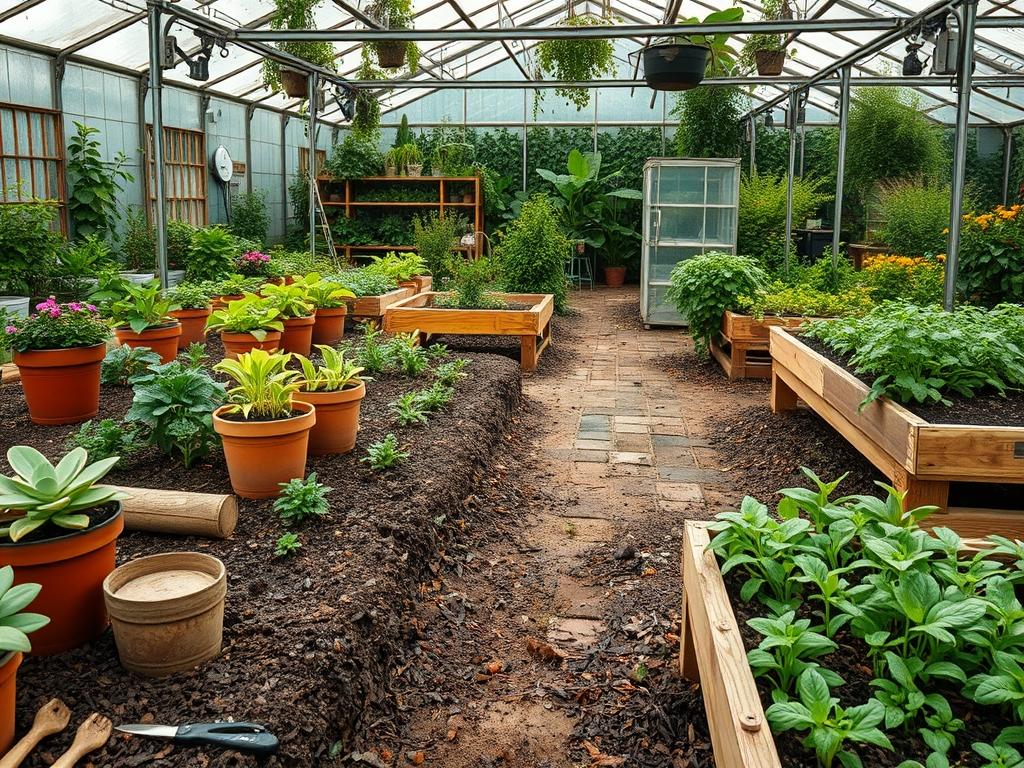
Maintaining a high end residential landscape requires more than just aesthetic vision; it demands a deep understanding of the ecological balance necessary to protect a property investment. When a landscape architect designs a space, the priority often focuses on curb appeal and outdoor functionality, yet the silent threat of pests like thrips can quickly diminish the structural integrity and visual vibrance of a garden. Thrips are microscopic insects that pierce plant cells and suck out the contents, leading to silvering of leaves, leaf curling, and stunted growth. For a property owner, this translates to lackluster foliage and expensive plant replacement costs. Natural Thrip Management begins at the blueprint stage, where we integrate site specific climate considerations with strategic plant placement to create a resilient ecosystem that discourages infestations without the heavy use of synthetic chemicals. By focusing on drainage, air circulation, and biodiversity, we can ensure that the outdoor living space remains a sanctuary rather than a breeding ground for pests.
LANDSCAPE DESIGN PRINCIPLES
Effective landscape design acts as the first line of defense in Natural Thrip Management. Symmetry and visual balance provide the framework for a professional garden, but these elements must be grounded in physical science. We prioritize air circulation through proper elevation layering and spacing. Thrips thrive in stagnant, humid environments often found in overcrowded shrub borders. By utilizing a tiered planting approach, we place taller Taxus baccata (Yew) or Cupressus (Cypress) in the background and shorter perennials in the foreground. This layout allows wind to move through the foliage, naturally reducing the humidity that these pests require to flourish.
Focal points should be constructed not just for beauty but for accessibility. A central water feature or a large Acer palmatum (Japanese Maple) requires clear space around its base. This prevents the “bridge effect” where pests crawl easily from one plant to another. Irrigation planning is equally critical. We recommend Drip Irrigation Lines over traditional overhead sprayers. Overhead watering can create the damp, leaf surface conditions that encourage thrip populations. By delivering water directly to the root zone at a depth of 6 inches, we keep the canopy dry and less hospitable to insects. Finally, walkways should be integrated using porous materials like Decomposed Granite or Flagstone to ensure that water does not pool near plant beds, as excessive surface moisture is a primary driver of pest outbreaks.
PLANT AND MATERIAL SELECTION
Choosing the right materials and flora is essential for building a thrip-resistant landscape. The table below outlines selections that provide structural beauty while supporting natural pest management goals.
| Plant Type | Sun Exposure | Soil Needs | Water Demand | Growth Speed | Maintenance Level |
| :— | :— | :— | :— | :— | :— |
| Lavandula (Lavender) | Full Sun | Well-Drained | Low | Moderate | Low |
| Nepeta (Catmint) | Full Sun | Sandy/Loamy | Moderate | Fast | Low |
| Tagetes (Marigolds) | Full Sun | Rich/Standard | Moderate | Fast | Moderate |
| Allium (Ornamental Onion) | Full Sun/Part Shade | Well-Drained | Low | Moderate | Low |
| Ocimum basilicum (Basil) | Full Sun | Nutrient Rich | High | Fast | High |
| Chrysanthemum | Full Sun | Loamy/Moist | Moderate | Moderate | Moderate |
In addition to these plants, selection of hardscape materials like River Rock or Cedar Mulch helps regulate soil temperature and moisture, further assisting in Natural Thrip Management.
IMPLEMENTATION STRATEGY
The implementation of a professional garden starts with precise site preparation. We begin by assessing the Grading of the land. A slope of at least 2 percent away from the home and primary garden beds is necessary to prevent standing water. Once the grade is established, we map out the garden layout using Landscaping Stakes and String Lines to ensure the visual balance aligns with the architectural blueprints.
Edging is the next critical step. We use Steel Edging or Trowel-Cut Edges to create a sharp boundary between turfgrass and ornamental beds. This physical barrier prevents grass, which can host thrip larvae, from encroaching on sensitive shrubs. For the soil, we incorporate Organic Compost to a depth of 8 inches to improve tilth and provide plants with the nutrients they need to mount a natural defense against pests. When planting, we ensure each specimen is spaced at least 24 inches to 36 inches apart, depending on its mature spread.
Mulching is the finishing touch of implementation. A layer of Pine Straw or Hardwood Bark Mulch should be applied at a consistent depth of 3 inches. It is vital to keep the mulch at least 2 inches away from the trunks of trees and the crowns of perennials to prevent rot. Proper mulch depth suppresses weeds that serve as alternate hosts for thrips while retaining just enough moisture for root health. For areas prone to high pest pressure, we integrate Yellow Sticky Traps discreetly within the foliage to monitor insect activity throughout the growing season.
COMMON LANDSCAPING FAILURES
One of the most frequent errors observed in residential properties is root overcrowding. When plants are installed too close together for immediate impact, they compete for resources and lose the air flow necessary for Natural Thrip Management. This stress weakens the plant, making its tissues easier for thrips to penetrate. Soil compaction is another silent failure. In sites with high foot traffic or heavy construction machinery history, the soil becomes dense, preventing oxygen from reaching the roots. Compacted soil leads to poor drainage and weak plants that attract pests.
Irrigation inefficiencies also play a major role in landscape decline. Many homeowners over-water, leading to fungal issues and pest surges. Conversely, underwatering causes plant tissue to become dry and brittle, which can actually make the plant more attractive to certain thrip species looking for concentrated sugars. Finally, improper drainage design, such as blocked French Drains or poorly angled Retaining Walls, creates moisture pockets. These damp zones are hotspots for thrip reproduction and must be addressed with professional Drainage Pipes and Aggregate Fillers.
SEASONAL MAINTENANCE
A landscape is a living entity that requires quarterly adjustments to remain thrip-free. In the Spring, the focus is on sanitation. We use sharp Pruning Shears to remove any dead or diseased wood where thrips may have overwintered. This is also the time to apply a Pre-emergent Fertilizer to bolster plant immunity. As we transition into Summer, monitoring becomes the priority. Use a Hand Lens to inspect the undersides of leaves. If thrips are spotted, a high pressure blast of water from a Garden Hose can physically dislodge them without harming the plant.
In the Autumn, we focus on soil health. Adding a thin layer of Leaf Mold or Compost helps replenish nutrients used during the heat of summer. We also perform a final pruning of spent perennials to reduce hiding spots for pests. During the Winter, maintenance shifts to the hardscape. We inspect Retaining Walls for structural shifts and ensure that Basin Drains are clear of debris. These cold months are the best time to plan for next year’s additions, focusing on species that support predatory insects like Ladybugs and Lacewings, which provide continuous Natural Thrip Management.
PROFESSIONAL LANDSCAPING FAQ
What is the fastest natural way to reduce thrip populations?
Integrating Beneficial Insects like minute pirate bugs or lacewings is highly effective. These predators consume thrips at all life stages. You can also use a strong stream of water to physically remove them from foliage during regular irrigation rounds.
Does mulch type affect thrip presence in the garden?
Yes. Reflective Mulch or silver plastic films can confuse thrips and prevent them from landing on plants. For aesthetic landscapes, Cedar Mulch is a professional choice that provides a natural deterrent while improving soil structure and moisture retention.
How can I tell if my plants have thrips or a disease?
Thrip damage typically presents as silver streaks or stippling on leaves, often accompanied by small black spots of excrement. Fungal diseases usually appear as fuzzy patches or distinct circular spots. A 10x Magnifying Loupe helps confirm the insect presence.
Can irrigation timing prevent thrip infestations?
Watering in the early morning allows the sun to dry the foliage quickly. Wet leaves in the evening create high humidity that thrips enjoy. Utilizing a Smart Irrigation Controller ensures consistent moisture levels, reducing the plant stress that attracts pests.
Are there specific plants that act as thrip magnets?
Plants like Roses, Gladiolus, and Ficus are highly susceptible. We recommend interplanting these with repellent species like Allium or Marigolds to create a natural chemical barrier that disrupts the thrips’ ability to locate their preferred host plants.