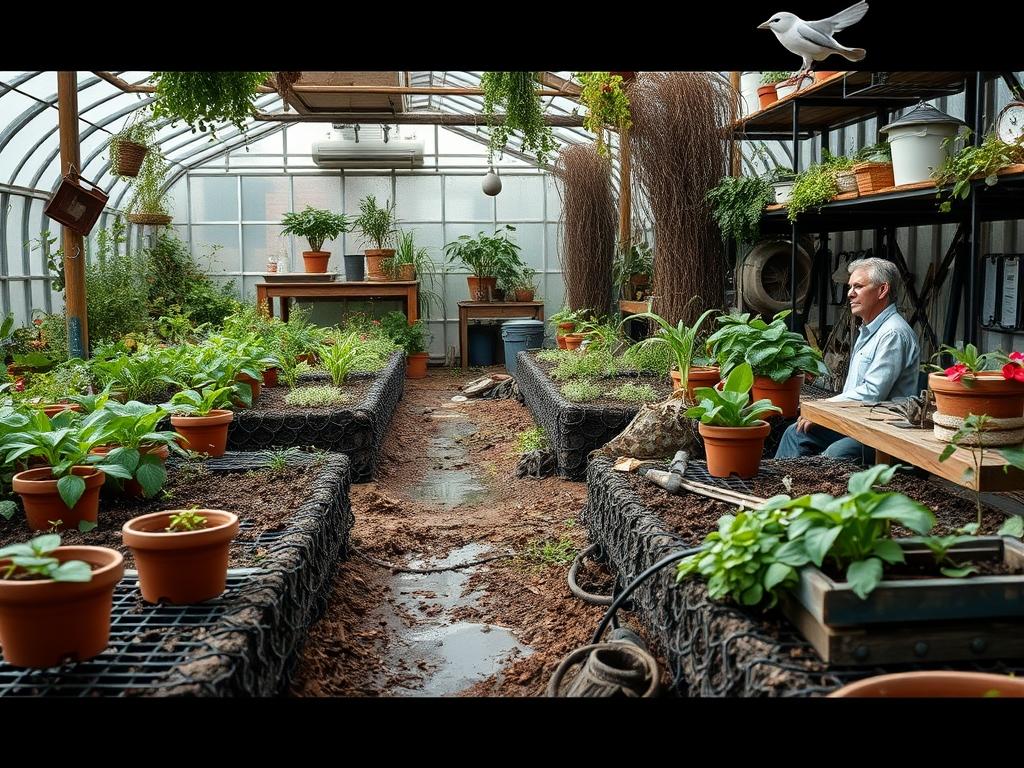
Designing a landscape that balances human aesthetic desires with the biological requirements of local fauna requires a shift in perspective. Most homeowners view their yard as a static portrait, yet a truly successful garden functions as a high performing ecosystem. Integrating Native Bird Nesting Sites into a residential or commercial plan does not mean sacrificing curb appeal. On the contrary, it adds a layer of kinetic beauty and ecological depth that sterile, lawn heavy designs lack. The challenge lies in managing the intersection of structural integrity and wild comfort. We must consider the local climate, the prevailing wind patterns, and how specific architectural choices influence the safety and success of avian inhabitants. A well planned garden provides more than just a view. It serves as a sanctuary where drainage, irrigation, and plant density work together to support life cycles while maintaining the sophisticated look of a professionally managed estate.
Outdoor functionality in this context involves creating “soft edges” where the human environment meets the natural world. This means moving beyond the traditional foundation planting to a more holistic approach. We are looking at ways to incorporate elevation changes, tiered vegetation, and secure perimeter boundaries. By focusing on these elements, a landscape architect can ensure that the property remains private and visually striking while quietly supporting the biodiversity that keeps the local environment healthy. Proper planning prevents the common pitfalls of “wild” gardening, such as an unkempt appearance or poor drainage that can damage both the home and the nesting sites themselves.
Landscape Design Principles
The foundation of any professional landscape is structural balance. When designing for bird safety, we utilize the concept of vertical layering. This involves stacking plants of various heights to mimic the structure of a natural forest edge. We start with the canopy, move to the understory, then the shrub layer, and finally the herbaceous groundcover. This creates a transition of focal points that guides the eye through the property while providing multiple levels for different species to nest and forage. Symmetry can be achieved through the repetition of these layers across a central axis, perhaps a stone walkway or a formal lawn area, ensuring that the ecological function feels intentional and orderly.
Irrigation planning is another critical principle. Water features should be placed near cover so birds can drink and bathe without feeling exposed to predators. However, from a design standpoint, these features must be integrated into the overall site drainage. A bog garden or a recirculating stream can serve as a majestic focal point, but it must be engineered with a submersible pump and a liner that prevents soil saturation near the home. Elevation also plays a role. Using retaining walls to create terraced beds allows for better control of soil moisture and provides protected nerves for ground nesting birds. These walls also add a sense of permanent structure and prestige to the landscape, proving that functionality can be synonymous with luxury.
Visual balance is maintained through the careful placement of evergreen “anchor” plants. These provide a year round backdrop for the garden and essential winter cover for birds. When we design walkways, we use materials like crushed granite or flagstone with wide joints. This promotes permeability, allowing rainwater to reach the roots of nearby nesting trees rather than flooding the storm sewers. By considering the sightlines from the home, we can position nesting boxes and bird friendly shrubs where they are visible from the windows, creating a deeper connection between the indoor and outdoor living spaces.
Plant and Material Selection
| Plant Type | Sun Exposure | Soil Needs | Water Demand | Growth Speed | Maintenance Level |
| :— | :— | :— | :— | :— | :— |
| White Oak (Quercus alba) | Full Sun | Deep, Loamy | Moderate | Slow | Low |
| Serviceberry (Amelanchier) | Full to Partial | Well Drained | Moderate | Medium | Moderate |
| Eastern Red Cedar (Juniperus) | Full Sun | Adaptable/Dry | Low | Medium | Very Low |
| American Holly (Ilex opaca) | Partial Shade | Acidic, Moist | Moderate | Slow | Low |
| Ninebark (Physocarpus) | Full Sun | Moist to Dry | Low | Fast | Moderate |
| Highbush Blueberry (Vaccinium) | Full Sun | High Acidity | High | Medium | High |
| Switchgrass (Panicum) | Full Sun | Any | Low | Fast | Low |
Implementation Strategy
The successful implementation of a bird friendly landscape begins with a comprehensive site survey. We start by analyzing the current topography to identify any drainage issues that might interfere with ground nesting or plant health. If the yard has low spots where water collects, we may install a French drain or create a dry creek bed using river rock and cobblestone. Once the grading is corrected, the layout is marked using landscape marking paint. This allows the homeowner to visualize the “islands” of habitat and the flow of the walkways before a single shovel enters the ground.
Edge definition is the key to making a native garden look professional. We use a steel edger to create crisp, deep lines between the turf and the planting beds. This prevents grass from encroaching on the nesting sites and signals that the area is intentionally maintained. Within these beds, we apply a 3-inch layer of double shredded hardwood mulch. This protects the soil from temperature fluctuations and retains the moisture necessary for the insects that birds rely on for feeding their young. Unlike decorative stones, organic mulch breaks down over time, improving the soil structure and nutrient profile.
Hardscaping should be installed before planting to avoid damaging sensitive root systems. If we are adding a trellis or an arbor for climbing vines like Trumpet Honeysuckle, these must be anchored to a depth of 24 inches with concrete to withstand high winds. For the nesting sites themselves, we position nesting boxes at specific heights based on the target species. A bluebird house, for example, is best placed 5 feet above the ground on a metal pole with a predator guard to prevent cats or raccoons from reaching the entry hole. This strategic placement ensures that the beauty of the garden is matched by its safety.
Common Landscaping Failures
One of the most frequent mistakes in professional landscaping is improper spacing, often referred to as “instant landscape syndrome.” Installing plants too close together to make the garden look full on day one leads to root overcrowding and poor air circulation. Within three years, the plants begin to compete for nutrients, causing dieback in the lower branches where birds often seek cover. Always follow the mature spread guidelines. A Viburnum that reaches 8 feet wide should be planted at least 4 feet away from a wall or a neighboring shrub to ensure it maintains its natural, healthy form.
Drainage mistakes also pose a significant threat. If a downspout is directed toward a dense thicket designed for nesting, a heavy storm can flood the nests or cause root rot in the shrubs. We solve this by using PVC piping to divert roof runoff to a pop-up emitter located in a turf area or a designated rain garden. Furthermore, soil compaction from heavy machinery during construction can suffocate the soil. Before planting, we often use a tiller or a broadfork to aerate the soil and mix in organic compost, ensuring that roots can penetrate deeply and water can drain effectively.
Irrigation inefficiencies are another silent killer of habitat gardens. Overhead sprinklers that spray directly into the canopy can disturb nesting birds and promote fungal diseases on foliage. Instead, we implement drip irrigation systems. These deliver water directly to the base of each plant through emitters, keeping the foliage dry and the nesting areas undisturbed. This also reduces water waste and prevents the soil erosion that can occur with high pressure sprayers.
Seasonal Maintenance
Spring is the season of observation and minimal interference. Before the nesting season begins in earnest, we use hand pruners to remove dead or diseased wood. However, once birds start building nests, we suspend heavy pruning to avoid disturbing the families. We check the irrigation controller to ensure the system is functioning correctly after the winter freeze and apply a fresh, thin layer of mulch to refresh the aesthetic without burying the base of the shrubs.
Summer maintenance focuses on hydration and deadheading. We monitor the soil moisture meter during heatwaves to ensure young plants are establishing themselves. For many native perennials, removing spent blooms can encourage a second flush of flowers, but for bird gardens, we often leave the seed heads intact. These provide a natural food source as summer turns to autumn. We also maintain the crisp lines of the beds with a string trimmer, keeping the “human” parts of the garden looking sharp while the interior of the beds remains wild and productive.
Autumn is the time for cleanup and preparation. We leave the fallen leaves in the planting beds, as they provide a nesting site for beneficial insects that birds will eat the following spring. We can also plant new shrubs and trees during this time, as the cooler temperatures and increased rainfall help them develop strong root systems before the ground freezes. Winter maintenance is largely passive. We leave the standing stalks of grasses and perennials to provide texture in the snow and essential cover for overwintering birds. This “four season interest” is a hallmark of high end landscape design.
Professional Landscaping FAQ
Which plants offer the best nesting security?
Dense, thorny shrubs like Hawthorn or evergreen species such as Eastern Hemlock provide the best protection against predators. These plants offer thick internal branching structures that make it difficult for larger animals to reach the vulnerable nests located inside.
How do I prevent window collisions?
Position bird friendly shrubs and feeders either within 3 feet of the glass or more than 30 feet away. This reduces the likelihood of birds picking up enough speed for a fatal impact if they are startled while foraging or nesting.
Can I have a lawn and a bird garden?
Yes. Use the lawn as a focal point for walking or recreation, but surround it with deep, layered beds. This “island” approach provides the birds with the cover they need while preserving the open space humans often desire for aesthetics.
What is the best mulch for bird safety?
Natural, undyed hardwood mulch or pine bark is superior. Avoid “rubber mulch” or dyed products that may contain chemicals. Organic mulch also supports the soil invertebrates that serve as a primary food source for nesting parents and their chicks.
Do I need to clean bird houses every year?
Yes. In late autumn, use a screwdriver to open the boxes and remove old nesting material. This prevents the buildup of parasites and ensures the site is ready for a new occupant in the spring. Wear gloves during this process for hygiene.