
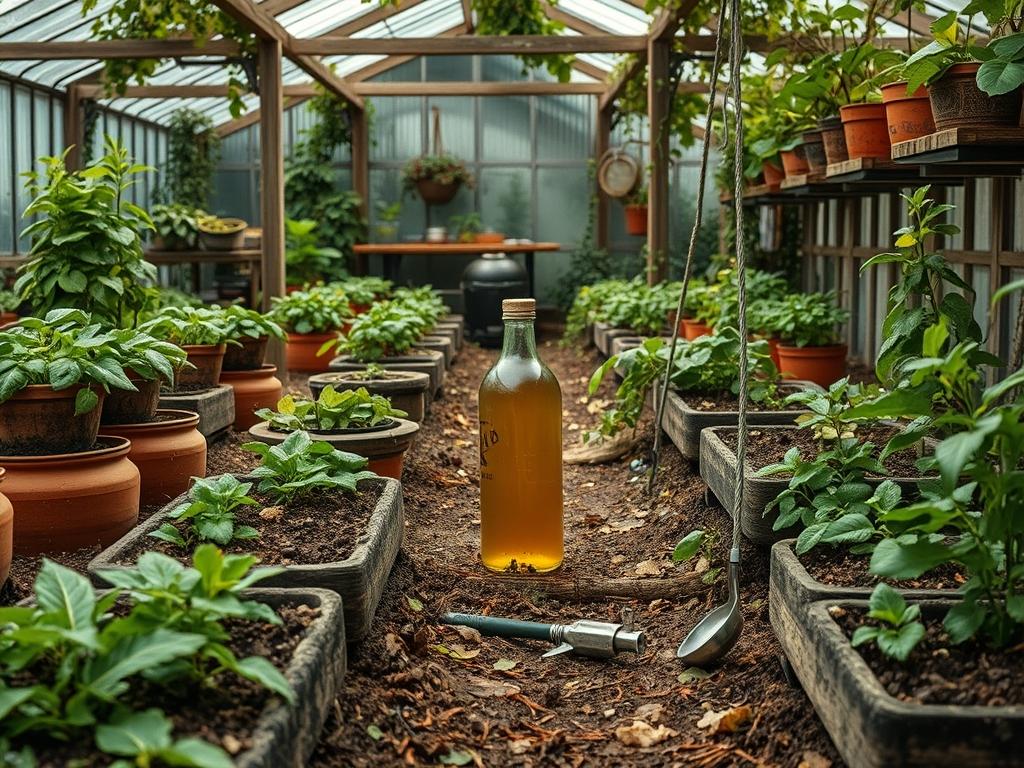
Designing a functional landscape capable of supporting the long term goals of production and aesthetic beauty requires a rigorous understanding of the local environment. When the primary objective involves the cultivation of fruit for Traditional Cider Bottling, the landscape architect must look beyond simple curb appeal to focus on the biological and structural requirements of an orchard estate. The challenge lies in balancing the heavy resource demands of pomaceous trees with the visual sophistication of a residential property. A well designed landscape does more than just host plants; it manages water runoff, optimizes solar exposure, and provides the necessary infrastructure for harvesting and processing. By integrating productive zones with social spaces, a property owner can transform a standard backyard into a high yielding environment that serves both the kitchen and the spirit.
Successful landscape design for this purpose begins with a site analysis that evaluates the existing soil profile and topography. Fruit trees are sensitive to standing water and require precise drainage solutions to prevent root pathogens. Furthermore, the aesthetic impact of an orchard is significant. In the spring, the canopy provides a cloud of blossoms, while the autumn brings a vibrant display of ripening fruit and changing foliage. To maximize this impact, the layout must be intentional, guiding the eye toward focal points while maintaining the utilitarian needs of orchard maintenance. Proper planning ensures that the outdoor space remains functional throughout the year, even when the trees are dormant during the winter months. Using structural elements like stone walls and permanent walkways provides the necessary framework to keep the property looking organized and professional.
Landscape Design Principles
The foundation of a productive orchard landscape rests on the principle of axial symmetry. By aligning rows of trees along a central vista, the architect creates a sense of order and grandeur that mimics historic European estates. This symmetry is not merely for show; it facilitates the movement of equipment and ensures that each tree receives a uniform amount of sunlight. Focal points are equally important. A central pavilion or a stone paved pressing area can serve as the heart of the landscape, providing a dedicated space for the labor intensive stages of the cider process. This area should be constructed with durable materials such as bluestone or pavers to handle the weight of equipment and the moisture associated with fruit processing.
Elevation layers play a critical role in the visual and biological health of the garden. By utilizing dwarf, semi dwarf, and standard tree sizes, a designer can create a tiered effect that mimics natural woodland edges. This layering allows for better air circulation, which is vital for preventing fungal diseases in damp climates. Irrigation planning must be integrated into the initial design phase rather than added as an afterthought. A zoned drip irrigation system is preferred, as it delivers water directly to the root zone, reducing evaporation and keeping the foliage dry. This level of precision is necessary for maintaining the specific sugar and acid profiles in the fruit, which ultimately dictates the success of Traditional Cider Bottling. Walkways should be wide enough to accommodate a harvest cart, typically at least 48 inches, and should be finished with a permeably material like crushed granite to prevent erosion and runoff.
Plant and Material Selection
Choosing the right components for the landscape involves matching the specific needs of the orchard with the aesthetic goals of the property owner. The following table outlines the primary selections for a cider focused landscape project.
| Plant Type | Sun Exposure | Soil Needs | Water Demand | Growth Speed | Maintenance |
| :— | :— | :— | :— | :— | :— |
| Malus domestica (Cider Apple) | Full Sun | Well-drained Loam | Moderate | Medium | High |
| Pyrus communis (Perry Pear) | Full Sun | Deep Silty Soil | Moderate | Slow | Medium |
| Lavandula angustifolia | Full Sun | Sandy/Alkaline | Low | Medium | Low |
| Trifolium repens (Cover Crop) | Full/Partial | Versatile | Low | Fast | Minimal |
| Taxus baccata (Hedge) | Full/Partial | Neutral pH | Moderate | Slow | Medium |
| Crushed Granite (Path) | N/A | Compacted Base | N/A | N/A | Low |
| Cedar Mulch | N/A | N/A | N/A | N/A | Annual |
Implementation Strategy
The transition from a blueprint to a finished landscape requires a methodical approach to site preparation. The first step in any cider focused project is grading. The land must be pitched at a minimum of 2 percent slope away from the primary structures and the orchard rows. This prevents the “wet feet” syndrome that frequently kills young apple trees. If the site is naturally flat, the installation of a French drain or a series of swales is necessary to redirect subsurface water. Once the grading is finalized, the orchard rows should be marked using transit levels to ensure perfectly straight lines, which are essential for both aesthetic appeal and ease of mowing.
Edging and hardscaping define the boundaries between the productive orchard and the recreational lawn. Using a deep 6-inch steel edge or a cobblestone border prevents invasive turf grasses from competing with the trees for nutrients. When planting, the holes should be dug twice as wide as the root ball but no deeper, ensuring the graft union remains at least 2 inches above the soil line. After planting, a layer of 3 inches of organic mulch should be applied, leaving a small gap around the trunk to prevent rot. This mulch serves multiple purposes: it retains moisture, regulates soil temperature, and eventually breaks down to improve the soil structure. For the bottling area, a reinforced concrete pad or a heavy duty stone patio should be installed with an integrated floor drain to manage the sticky runoff associated with pressing fruit.
Common Landscaping Failures
One of the most frequent mistakes in orchard landscaping is improper spacing. Homeowners often underestimate the mature spread of a tree, leading to overcrowding within five to seven years. This lack of space inhibits airflow, creates shaded pockets where fruit cannot ripen, and makes harvest nearly impossible. A standard semi dwarf apple tree requires at least 12 to 15 feet of clearance from its neighbors. Furthermore, many designers fail to account for soil compaction. During the construction of walkways or the installation of large trees, heavy machinery can crush the pore spaces in the soil, leading to poor drainage and stunted root growth. Using aeration tools and avoiding heavy equipment in the orchard zones after grading is essential.
Irrigation inefficiencies also rank high among common failures. Overwatering can be just as detrimental as drought, specifically for trees intended for cider production. Excessive water can dilute the tannins and sugars in the fruit, resulting in a bland product. A smart irrigation controller equipped with a soil moisture sensor is the best defense against this issue. Finally, neglecting the soil’s pH can lead to nutrient lockup. Apple trees prefer a pH between 6.0 and 6.5. Failing to test and amend the soil with lime or sulfur before planting can result in years of poor performance that no amount of fertilizer can fix.
Seasonal Maintenance
The rhythm of the orchard dictates the maintenance schedule for the entire landscape. In the spring, the focus is on growth and protection. This is the time for dormant oil sprays to manage pests and the application of a high nitrogen fertilizer to support the initial leaf flush. As the weather warms in the summer, the priority shifts to water management and weed control. Keeping the areas around the trees clear of competition ensures that all resources go toward fruit development. Pruning the water sprouts and thinners during the mid summer can also improve light penetration into the canopy.
Autumn is the most active season, as it involves the harvest and the subsequent steps of Traditional Cider Bottling. The landscape must be clear of debris to allow for easy access to the trees. Once the harvest is complete, fallen fruit should be removed to prevent the overwintering of pests. In the winter, the landscape architect’s structural work takes center stage. This is the time for structural pruning, which involves removing crossing or diseased branches while the tree is dormant. Winter is also the time to inspect the hardscaping for frost heave and to ensure that the drainage pipes are clear of leaves and silt.
Professional Landscaping FAQ
How does soil drainage affect cider quality?
Poor drainage leads to root rot and waterlogged fruit. Trees in well drained soil produce apples with higher sugar concentrations and more complex tannins. This is essential for achieving the desired flavor profiles during the fermentation stage.
What is the best mulch for a cider orchard?
Aged wood chips or cedar mulch are ideal. They provide a stable carbon source for soil microbes, suppress weeds effectively, and do not break down so quickly that they require mid season replenishment. Avoid dyed mulches.
Can I grow cider apples in small backyards?
Yes, by using dwarf rootstocks or espalier training techniques. Espaliered trees grow flat against a fence or wall, saving significant space while still providing enough fruit for small batch Traditional Cider Bottling and carbonation experiments.
Why is air circulation important in my landscape layout?
Consistent airflow dries the leaves after rain or dew, significantly reducing the risk of apple scab and powdery mildew. Proper spacing and thinning of the canopy ensure that the landscape remains healthy without excessive chemical intervention.
How often should I test my orchard soil?
Perform a professional soil test every two to three years. This monitors the pH levels and nutrient availability, allowing you to make precise adjustments that support the long term health of the trees and their fruit production.