Landscape architecture is currently undergoing a transformative shift where aesthetic value meets ecological necessity. As a consultant, I see property owners moving away from monocultural lawns in favor of complex, functional ecosystems. Saving Rare Herb Varieties within a residential or commercial site plan introduces a layer of sophistication and purpose that standard ornamental shrubs cannot provide. Integrating these plants requires a meticulous site analysis, as many medicinal species are finicky regarding their specific microclimate and soil chemistry. The primary challenge lies in creating a space that appears curated and intentional while providing the precise drainage and light requirements these sensitive specimens demand. This approach enhances curb appeal by offering unique textures and historical significance, effectively turning a backyard into a living pharmacy and a genetic reservoir for future generations. We must treat the landscape as a permanent infrastructure project where every species has a structural and functional role to play.
Landscape Design Principles
Symmetry and visual balance serve as the bedrock of a successful medicinal landscape. When a designer focuses on Saving Rare Herb Varieties, a formal or semi-formal layout often serves the plants best by allowing for clear identification and monitoring of individual specimens. Focal points can be established using larger medicinal shrubs or high-quality hardscaping elements like a cast iron sundial or a limestone fountain. These elements draw the eye and provide a sense of stability amidst the diverse textures of a rare herb collection.
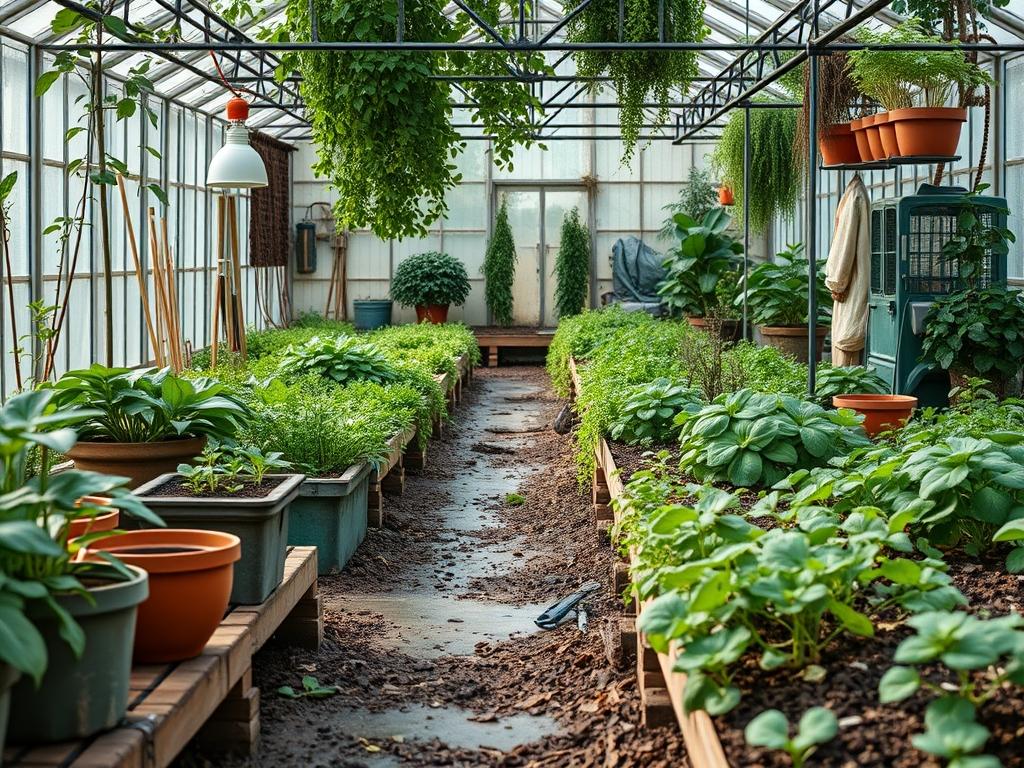
Elevation layers are critical for both visual depth and plant health. By using retaining walls or raised stone beds, a designer can create distinct microclimates. For example, a raised bed filled with a sandy loam mixture provides the sharp drainage required by Mediterranean medicinal herbs, while lower, swale-adjacent areas can host moisture-loving species. We must plan irrigation zones with surgical precision. A drip irrigation system is almost always superior to overhead sprays because it delivers moisture directly to the root zone, reducing the risk of foliar diseases that can devastate rare plant populations.
Walkways are another essential component of the design. They should be at least 36 inches wide to allow for comfortable passage and the use of garden equipment. Using permeable materials such as crushed granite, decomposed granite, or flagstone allows rainwater to infiltrate the soil rather than running off into the street. This moisture management is vital for maintaining the deep root systems of perennial medicinal herbs. Visual balance is achieved by staggering plant heights, placing taller species like Elecampane in the rear and low-growing groundcovers like Roman Chamomile along the edges of the path.
Plant and Material Selection
Selecting the right specimens is a matter of both ecological fit and therapeutic potential. The following table outlines several rare or highly specialized medicinal herbs that integrate well into a professional landscape design.
| Plant Type | Sun Exposure | Soil Needs | Water Demand | Growth Speed | Maintenance Level |
| :— | :— | :— | :— | :— | :— |
| Panax quinquefolius | Full Shade | Rich, Loamy | Moderate | Very Slow | High |
| Arnica montana | Full Sun | Acidic, Sandy | Moderate | Moderate | Medium |
| Hydrastis canadensis | Part Shade | Humus-rich | High | Slow | High |
| Rhodiola rosea | Full Sun | Rocky, Dry | Low | Slow | Low |
| Echinacea angustifolia | Full Sun | Well-drained | Low | Moderate | Low |
| Symphytum officinale | Part Sun | Any, Deep | Moderate | Fast | Low |
For hardscaping materials, we prioritize durability and neutral pH levels. Natural basalt or granite boulders can be used to create rock gardens that mimic the natural alpine habitats of certain rare herbs. When selecting mulch, a triple-shredded hardwood mulch or pine bark nuggets should be applied at a depth of 3 inches to suppress weeds and retain moisture. For medicinal gardens, avoid treated lumbers; instead, opt for western red cedar or black locust for any raised bed construction.
Implementation Strategy
Implementing a medicinal landscape starts with professional grading. The land must fall away from the residence at a slope of at least 2 percent to prevent foundation issues and water pooling. Once the grade is established, we use steel edging to define the boundaries of the planting beds. This creates a clean line between the lawn and the garden, preventing invasive turf grasses from encroaching on the rare medicinal specimens.
During the planting phase, soil compaction must be addressed. We use a broadfork or mechanical aerator to loosen the soil to a depth of 12 inches without overturning the delicate soil biology. Each rare herb is planted in a hole twice as wide as its root ball. We often incorporate a starter fertilizer with a high phosphorus count to encourage rapid root establishment. Drainage is further managed through subterranean perforated PVC piping or French drains in areas where the water table is high. Finally, the installation of a smart irrigation controller allows the property owner to adjust water delivery based on real-time weather data, ensuring that the rare herbs are never over-hydrated during rainy spells.
Common Landscaping Failures
The most common failure in gardens dedicated to Saving Rare Herb Varieties is poor drainage. Many medicinal herbs, particularly those native to arid or mountainous regions, will experience root rot if the soil remains saturated for more than 24 hours. Another frequent mistake is root overcrowding. Designers often plant for immediate impact, forgetting that a species like Baptisia tinctoria can develop a massive root system over several years. Without proper spacing, these plants compete for nutrients and airflow, leading to stunted growth.
Soil compaction is a silent killer in the landscape. When heavy machinery or frequent foot traffic compresses the soil, oxygen pockets are destroyed. This suffocates the roots of sensitive medicinal plants. Furthermore, improper irrigation timing can lead to disaster. Watering in the late evening keeps the foliage damp overnight, which is an open invitation for powdery mildew and other pathogens. Lastly, many homeowners fail to test their soil pH. A rare plant requiring acidic soil will never thrive in a bed surrounded by alkaline limestone pavers without proper buffering.
Seasonal Maintenance
Spring maintenance involves a thorough cleanup of dead biomass. We use bypass pruners to remove the previous year’s growth and apply a fresh 1 inch layer of compost to the base of each plant. This is also the ideal time to test the irrigation zones for leaks or clogged emitters. As the heat of summer arrives, the focus shifts to moisture management and deadheading. Removing spent flowers from plants like Calendula or Valerian can encourage a second flush of growth and prevent excessive self-seeding.
In the autumn, we prepare the plants for dormancy. We avoid heavy pruning during this time, as new growth triggered by pruning can be killed by the first frost. Instead, we apply a thicker layer of leaf mold or straw mulch to protect the crowns of rare perennials from freeze-thaw cycles. Winter maintenance is primarily observation. We check for signs of vole or rabbit damage and ensure that the hardscape elements are not shifting due to frost heave. For particularly tender rare herbs, a burlap wrap or a frost blanket may be necessary during extreme temperature drops.
Professional Landscaping FAQ
How does Saving Rare Herb Varieties improve my property value?
A biodiverse landscape with rare species creates a unique selling point. It demonstrates high-level stewardship and offers an established, functional ecosystem that sets the property apart from standard, high-maintenance lawns.
What is the best way to handle poor soil drainage?
Install a French drain or create a dry creek bed using river rock. Elevating the planting area with raised beds or mounds also ensures that plant roots stay above the saturation zone.
Can I use rare medicinal herbs in a small urban space?
Yes. Vertical gardening using trellises for climbing herbs or using large terracotta containers allows for a controlled environment. This makes it easier to manage soil quality and moisture for sensitive species.
Are medicinal herbs safe for households with pets?
Some medicinal herbs can be toxic if ingested by animals. Always consult a professional list of pet-safe plants and use fencing or raised planters to keep pets away from sensitive or potentially harmful varieties.
How often should I test my garden soil?
Professional architects recommend a comprehensive soil test every two to three years. This monitors nutrient depletion and pH shifts, ensuring the environment remains optimal for the long-term survival of rare herb varieties.