
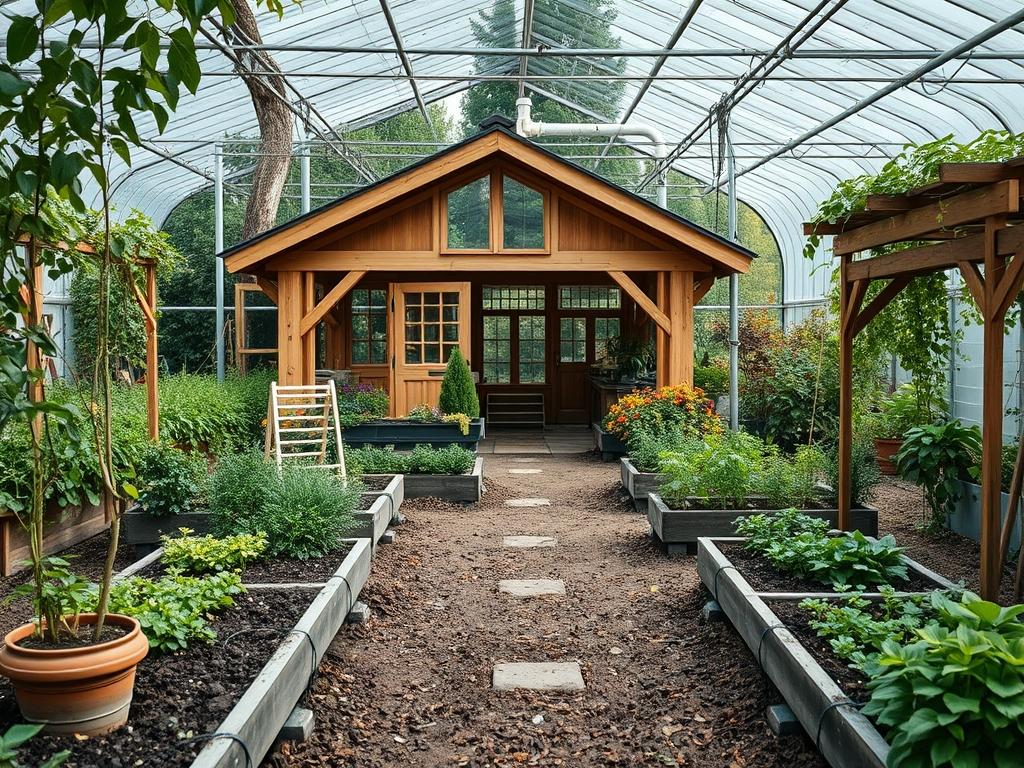
Integrating natural elements into a sophisticated landscape requires a deep understanding of how materials interact with their environment over decades. When we specify traditional wood structures for a high-end residential project, we are not merely choosing a building material; we are selecting a living component of the ecosystem. The decision to avoid chemical treatments like chromated copper arsenate or alkaline copper quaternary is rooted in the preservation of soil health and the longevity of the timber itself. Chemical preservatives often provide a false sense of security, masking internal rot or creating a hydrophobic shell that prevents the wood from breathing naturally. By choosing naturally rot-resistant species and using intelligent design, we ensure that these elements age gracefully, developing a silver patina that enhances rather than detracts from the surrounding curb appeal.
Traditional wood structures, such as timber-frame pergolas, heavy-post gazebos, and custom trellises, serve as the architectural anchors of the outdoor room. In climates with high humidity or significant freeze-thaw cycles, the behavior of the wood is critical. Chemically treated lumber often warps or twists as the synthetic salts leach out, leading to structural misalignment. In contrast, using heartwood from durable species allows the structure to expand and contract in harmony with the local climate. This stability is essential for maintaining the clean lines and precise joinery that define professional landscaping. By prioritizing chemical-free timber, we also protect the delicate microbiology of the root zones lying directly beneath these installations, ensuring that the surrounding ornamental plantings thrive without the risk of heavy metal contamination.
Landscape Design Principles
Successful garden planning relies on the seamless integration of hardscaping and softscaping to create a sense of permanence and intention. Traditional wood structures should be used to establish focal points that draw the eye through the landscape, utilizing symmetry to create a formal atmosphere or asymmetrical clusters for a more naturalist aesthetic. We often employ elevation layers to add depth; this might involve a raised wooden deck transition into a sunken stone patio. Visual balance is achieved by mirroring the height of a cedar pergola with a medium-canopy tree on the opposite side of the yard, ensuring that neither side feels top-heavy.
Walkway placement is equally vital in the design phase. A path should lead the viewer toward a destination, such as a white oak arbor, while providing enough space for two people to walk side-by-side, which typically requires a 60-inch width. Irrigation planning must be conducted early to ensure that water is directed away from the footings of wooden elements. If a structure sits in a low-lying area, the design must incorporate a retaining wall or specialized grading to prevent standing water from saturating the wood fibers. By considering these principles, the landscape architect creates a functional environment where the built structures feel like an inevitable extension of the natural terrain.
Plant and Material Selection
Selecting the right plant palette to complement traditional wood structures ensures that the greenery enhances the architecture without causing premature decay.
| Plant Type | Sun Exposure | Soil Needs | Water Demand | Growth Speed | Maintenance Level |
| :— | :— | :— | :— | :— | :— |
| Climbing Hydrangea | Part Shade | Rich, Moist | Medium | Slow | Low |
| American Wisteria | Full Sun | Well-drained | Moderate | Fast | High |
| Clematis | Full Sun | Loamy, Cool | Medium | Moderate | Medium |
| Star Jasmine | Full/Part Sun | Loamy | Moderate | Moderate | Low |
| Grapevine | Full Sun | Sandy/Loamy | Low | Fast | Medium |
| English Ivy | Shade/Part Sun | Versatile | Low | Fast | High |
| Climbing Rose | Full Sun | Rich, Balanced | Moderate | Moderate | High |
Implementation Strategy
The transition from a design concept to a physical landscape requires a meticulous implementation strategy. We begin with professional grading, ensuring the site has a minimum 2 percent slope away from all structures to facilitate proper drainage. For traditional wood structures, the foundation is the most critical component. Instead of burying posts directly in the dirt, which invites fungal kits and microbial attack, we utilize galvanized steel stand-off brackets set into concrete piers. This elevates the timber 1 inch above the concrete, preventing moisture wicking and allowing air to circulate around the end grain.
Once the skeleton of the landscape is set, we address the edges. Steel edging or Belgian block provides a crisp border between the lawn and the structural beds. Inside these beds, a 3-inch layer of organic cedar mulch is applied, though we are careful to keep the mulch away from the base of the wooden posts. For irrigation, we install drip lines with dedicated zones for the climbers on the structures, ensuring that the wood remains dry while the roots receive targeted hydration. This surgical approach to water management prevents the splashing of soil onto the wood, which is a common cause of staining and decay in chemical-free installations.
Common Landscaping Failures
The most frequent failure in garden planning is the neglect of proper drainage near wood footings. When water pools around the base of a pergola, even the most durable Black Locust or Western Red Cedar will eventually succumb to soft rot. Another common error is root overcrowding. Planting large-canopy trees too close to traditional wood structures can lead to structural upheaval as the root flare expands, or it can create a microclimate of excessive shade and trapped moisture that prevents the wood from drying after rain.
Improper spacing is not just an aesthetic issue; it is a functional one. If vines are allowed to grow directly against the wood without a secondary trellis or wire system, they can trap humidity against the surface, leading to localized rot. Soil compaction is another silent killer of landscapes. During construction, heavy machinery can crush the soil structure around new installations, leading to poor aeration and water runoff. We mitigate this by using pneumatic air spades to loosen the soil before planting and by incorporating organic compost to restore the soil tilth. Finally, irrigation inefficiencies, such as misaligned sprinkler heads that spray directly onto wooden beams, will cause premature weathering and may facilitate the growth of unsightly algae.
Seasonal Maintenance
Maintaining traditional wood structures without chemicals requires a proactive, seasonal approach that focuses on cleaning and natural protection. In the spring, the landscape should be inspected for winter damage. We recommend a gentle cleaning using a solution of oxygen bleach and water to remove mold and mildew without killing the surrounding native plants. This is also the time to check the tension on any stainless steel cables used for climbing plants and to ensure that gutters or adjacent drainage systems are clear of debris.
During the summer, the focus shifts to moisture management. As temperatures rise, the wood will naturally dry out. If the timber appears excessively parched, an application of pure Tung oil or raw Linseed oil can be applied to the surface. These natural oils penetrate the fibers to provide a water-resistant barrier while allowing the wood to breathe. In autumn, the priority is leaf removal. Debris trapped in the joints of a wooden structure can hold moisture through the winter, accelerating decay. Finally, in winter, we suggest removing heavy snow loads from the roofs of structures to prevent structural sagging and checking the hardware to ensure that no bolts have loosened due to thermal contraction. By following this cycle, the wood remains robust and beautiful for generations.
Professional Landscaping FAQ
What are the best wood species for chemical-free structures?
Western Red Cedar, Redwood, and Black Locust are premier choices. These species contain natural tannins and oils that resist insects and decay, making them ideal for long-term outdoor use without the need for synthetic treatments or pressurized chemicals.
How do I prevent wood rot at the ground level?
Use concrete footings with elevated post bases. By keeping the wooden post at least one inch above the ground or concrete surface, you break the capillary path that draws moisture into the timber, significantly extending the lifespan of the structure.
Can I stain a chemical-free wood structure?
Yes, but you should use breathable, oil-based stains rather than film-forming paints. Natural stains allow moisture to escape the wood while providing UV protection, which prevents the sun from breaking down the lignin in the wood fibers.
Is it necessary to use a weed barrier under wooden structures?
We recommend using a non-woven geotextile fabric covered by 3/4-inch crushed stone or mulch. This prevents weed growth and improves drainage around the base, ensuring that moisture does not sit against the wooden components for extended periods.
Will climbing plants damage my wooden pergola?
If managed correctly, they will not. Use stainless steel stand-offs to keep the vines a few inches away from the wood surface. This allows for air circulation and prevents the plants from trapping moisture directly against the structural beams.