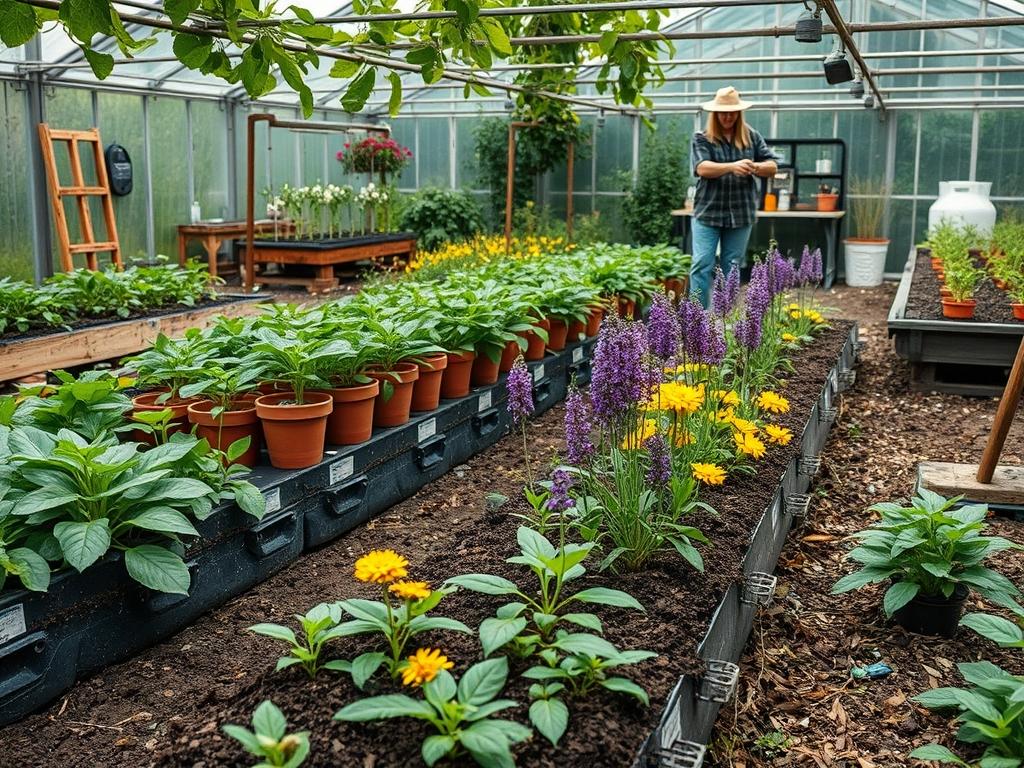
The successful integration of native wildflowers into a professional landscape requires more than simply scattering seeds across an open field. It demands a rigorous understanding of site ecology, soil mechanics, and the long term structural goals of the outdoor environment. While traditional ornamental gardens often rely on heavy inputs and exotic species to provide visual interest, native wildflower propagation focuses on establishing a self sustaining ecosystem that enhances curb appeal while supporting local biodiversity. The primary challenge for the modern landscape architect lies in balancing the perceived wildness of these species with the clean lines and intentionality required for high end residential or commercial properties. When executed correctly, a native meadow or pocket garden serves as a functional tool for erosion control, stormwater management, and thermal regulation of the microclimate.
Achieving a professional finish starts with an assessment of the existing terrain. Grading and drainage are the most critical factors in determining which species will thrive. Many native perennials require well drained soil to prevent root rot, while others are specifically adapted to the heavy, saturated conditions found in rain gardens or bioswales. By treating wildflowers as a deliberate design element rather than an afterthought, a consultant can transform a high maintenance turf area into a high performance landscape. This transition reduces the need for synthetic fertilizers and excessive irrigation, aligning the property with contemporary sustainability standards and increasing its overall market value.
Landscape Design Principles
Effective native landscaping relies on the principle of intentionality. To prevent a wildflower installation from appearing neglected, designers incorporate structural cues of care. This is often achieved through the use of Steel Edging or Concrete Curbing, which creates a sharp, visual boundary between the wild meadow and more formal areas like walkways or patios. Symmetry can be introduced by framing a chaotic wildflower patch with symmetrical rows of native shrubs or structured Retaining Walls. These hardscape elements provide the necessary “frame” for the botanical “picture,” ensuring the design looks purposeful throughout every season.
Focal points play a vital role in guiding the eye through a sprawling wildflower installation. Designers often use large Natural Boulders, sculptural Driftwood, or high quality Outdoor Lighting to provide year round structure. Elevation layering is another essential technique; it involves placing shorter species like Glandularia canadensis near the edges of Flagstone Walkways and transitioning to taller species like Sorghastrum nutans toward the back of the property. This creates a sense of depth and prevents the taller grasses from flopping over onto pedestrian paths. Irrigation planning is also adapted here through “hydrozoning,” where plants with similar water needs are grouped together to maximize the efficiency of a Drip Irrigation System.
Plant and Material Selection
The success of any native wildflower propagation project depends on matching the right species to the specific site conditions. Landscape architects must consider the aggressive nature of certain species and the slower growth rates of others to ensure a balanced community over time.
| Plant Type | Sun Exposure | Soil Needs | Water Demand | Growth Speed | Maintenance Level |
|:—|:—|:—|:—|:—|:—|
| Echinacea purpurea | Full Sun | Well Drained | Low | Moderate | Low |
| Asclepias tuberosa | Full Sun | Sandy/Rocky | Very Low | Slow | Low |
| Monarda fistulosa | Partial Shade | Loamy | Medium | Fast | Moderate |
| Lobelia siphilitica | Shade/Part Sun | Wet/Clay | High | Moderate | Moderate |
| Symphyotrichum novae-angliae | Full Sun | Rich/Moist | Medium | Fast | Low |
| Baptisia australis | Full Sun | Deep/Dry | Low | Slow | Very Low |
| Rudbeckia hirta | Full Sun | Any | Medium | Very Fast | Moderate |
Implementation Strategy
The process begins with thorough site preparation, which is the most labor intensive phase of the project. Simply tilling the soil is often insufficient, as it can bring dormant weed seeds to the surface and cause a flush of competition that smothers the native seedlings. Instead, many professionals use Black Silage Tarps for solarization, a process that kills existing turf and weed seeds using heat over a period of 6 Weeks. Once the site is cleared, the soil should be graded to ensure water flows away from structures. If the soil is heavily compacted, a Core Aerator should be used to improve oxygen penetration without fully overturning the soil profile.
Sowing techniques vary based on the scale of the landscape. For small, residential plots, hand broadcasting mixed with Coarse Sand facilitates an even distribution of fine seeds. This mixture should be pressed into the soil using a Water Filled Roller to ensure excellent seed to soil contact, which is more important than burying the seeds deeply. For larger acreages, a No-Till Seed Drill is the preferred tool, as it places the seeds at a precise depth of 0.25 Inches without disturbing the soil structure. Following sowing, a thin layer of Clean Straw or Wood Fiber Mulch should be applied to retain moisture and prevent avian predation, but it must be light enough to allow sunlight to reach the germinating seeds.
Common Landscaping Failures
The most frequent mistake in native wildflower propagation is the over enrichment of the soil. Unlike traditional gardens, many native species have evolved to thrive in nutrient poor conditions. Adding high nitrogen Fertilizer or excessive Compost often encourages the growth of invasive weeds and causes the wildflowers to grow leggy and weak, ultimately leading to them collapsing under their own weight. Proper soil testing should be performed to ensure the pH and mineral content match the needs of the selected species before any amendments are added.
Another common failure is poor drainage management. If a site is not properly graded, water will pool in depressions, rotting the crowns of sensitive species like Ratibida pinnata. Furthermore, improper spacing during the initial planting or sowing can lead to root overcrowding. This competition for resources results in a lack of blooms and a decline in plant health. Landscape architects must also account for the “sleep, creep, leap” cycle of native perennials, where visibility of growth may be minimal for the first 2 Years as the plants focus on establishing deep root systems. Impatient homeowners often misinterpret this as a failure and mistakenly till the area to start over.
Seasonal Maintenance
Maintenance in a native landscape differs significantly from traditional lawn care. In the spring, the primary task is to remove the previous year’s dead vegetation. Using a String Trimmer or Mower set to a height of 6 Inches allows for the removal of old stalks while protecting the crown of the plants and any overwintering pollinators. This is also the ideal time to scout for invasive species that may have gained a foothold. During the summer, maintenance is minimal, though supplemental irrigation may be required during the first year of establishment or during extreme drought periods to ensure the plants do not go dormant prematurely.
Autumn is the season for seed collection and supplemental sowing. Many landscape architects recommend leaving seed heads intact to provide food for birds and to allow for natural reseeding. However, if a more manicured look is desired, the area can be lightly trimmed after the first frost. Winter maintenance is largely passive, though it is the best time to review the structural integrity of hardscaping. Checking for shifting in Dry Stack Stone Walls or cracks in Concrete Pavers ensures the landscape remains safe and functional. In some regions, a controlled burn performed every 3 Years can be an effective way to mimic natural cycles and invigorate the meadow, though this requires professional supervision and local permits.
Professional Landscaping FAQ
How do I prevent my wildflower garden from looking like a patch of weeds?
Utilize structural cues like Steel Edging, Mowed Buffers, and clear Flagstone Paths. Incorporating decorative elements like Boulders or large Planters signals to neighbors and guests that the area is a curated, intentional design rather than a neglected space.
Is it better to start wildflowers from seeds or plugs?
Seeds are more cost effective for large areas, but Plugs provide an immediate visual impact and higher survival rates. For a professional result, use a combination: broadcast seeds for density and install Plugs for specific focal points and structural height.
What is the best way to handle irrigation for native plants?
Install a Drip Irrigation System with a smart timer. While established natives are drought tolerant, they require consistent moisture for the first 12 Months to develop deep roots. Once established, irrigation should only be used as a secondary measure during droughts.
How deep should I apply mulch in a new wildflower bed?
For newly sown seeds, avoid heavy mulch. Instead, use a very thin layer of Straw or Peat. For established Plugs, apply 2 Inches of Shredded Bark Mulch, ensuring the material does not touch the plant stems to prevent rot.
What is the most effective way to clear turf before planting?
The most effective method is Solarization using Uv Stabilized Plastic. This kills the grass and weed seeds without chemicals or soil disturbance. Alternatively, use a Sod Cutter to remove the top layer for an immediate, clean slate for sowing.