
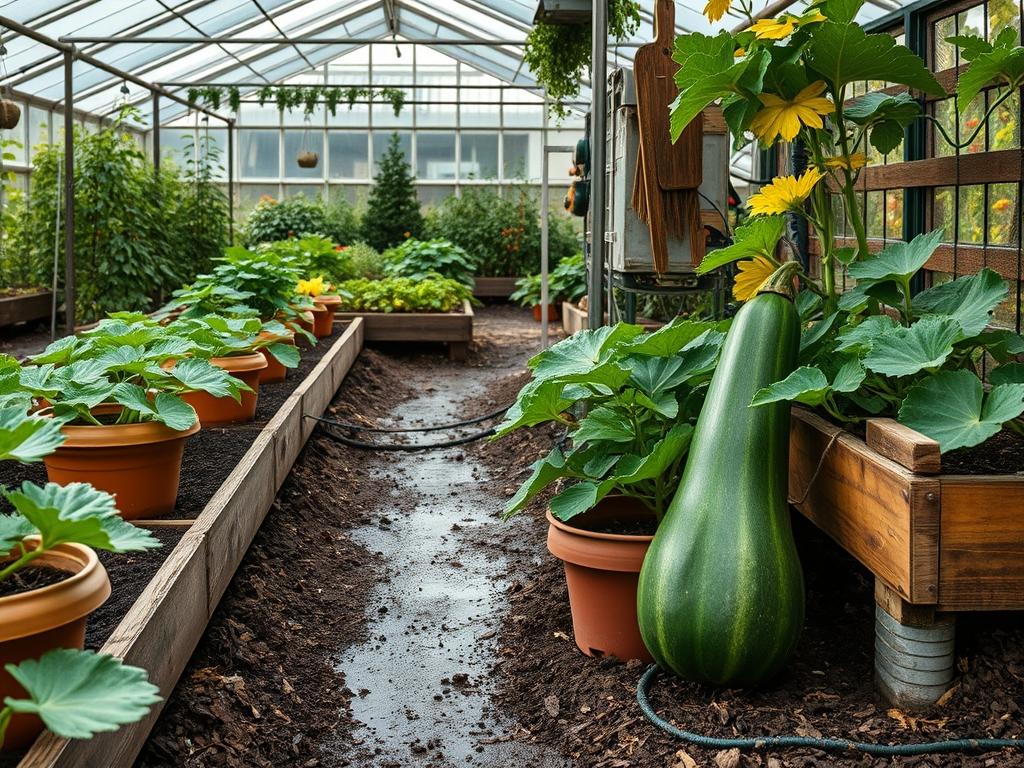
Integrating rare squash varieties into a curated landscape design requires a sophisticated understanding of spatial dynamics, airflow, and aesthetic balance. It is not enough to simply plant seeds in a corner of the backyard. When the goal is saving rare squash varieties, the landscape architect must treat these sprawling vines as both a structural element and a biological treasure. A successful installation balances the functional needs of the plant, such as full sun and high nutrient density, with the visual requirements of a high end residential environment. These heirloom specimens often produce massive, vibrant leaves and striking fruits that can be used to enhance curb appeal, provided the vines are managed through proper hardscaping and support systems. The challenge lies in creating an outdoor environment that facilitates the meticulous process of hand-pollination while maintaining a clean, professional appearance throughout the growing season.
Landscape Design Principles
Symmetry and focal points are the foundations of a professional garden layout. When designing for large vining plants like Cucurbita maxima, incorporating a central focal point like a custom cedar pergola or a series of arched cattle panels allows the plants to grow vertically. Elevation layers are essential for maximizing square footage in smaller landscapes. By lifting the fruit off the ground, you improve air circulation and protect rare varieties from soil-borne pathogens. This vertical approach also creates a dramatic visual effect, turning a functional vegetable into a living green wall.
Irrigation planning must be integrated into the initial site design. Drip irrigation systems should be buried beneath 3 inches of organic mulch to ensure water reaches the root zone without wetting the foliage. This architectural choice is critical because wet leaves are prone to fungal infections that can ruin a seed-saving project. Furthermore, walkways must be planned with precision. Hand-pollination requires the gardener to access flowers daily during the blooming period. Paths constructed from decomposed granite or irregular flagstone provide stable, all-weather access without causing soil compaction near the main root mass.
Visual balance is achieved by pairing the coarse texture of squash leaves with finer-textured companion plants. Using Bouteloua gracilis or other native grasses around the perimeter of the squash beds creates a soft frame that contains the visual chaos of the vines. This contrast ensures that the garden looks intentional rather than overgrown.
Plant and Material Selection
| Plant Type | Sun Exposure | Soil Needs | Water Demand | Growth Speed | Maintenance Level |
| :— | :— | :— | :— | :— | :— |
| Cucurbita maxima | Full Sun | Loamy, Organic | High | Rapid | High |
| Cucurbita moschata | Full Sun | Rich, Warm | Moderate | Fast | Medium |
| Cucurbita pepo | Full Sun | Well-drained | Moderate | Medium | Medium |
| Lippia nodiflora | Full/Partial | Adaptable | Low | Fast | Low |
| Cedar Mulch | N/A | Weed Barrier | N/A | N/A | Low |
| Corten Steel Edging | N/A | Containment | N/A | N/A | None |
Implementation Strategy
The first step in any high-end landscape project involving rare squash is grading. The site must be leveled or sloped slightly, roughly 2 percent, to ensure that water does not pool around the base of the plants. Squash plants are highly susceptible to crown rot, making drainage a primary concern. Once grading is complete, install corten steel edging to define the beds. This edging serves a dual purpose; it provides a crisp line for the lawn mower and acts as a physical boundary for the mulch.
After the infrastructure is in place, focus on the soil. Saving rare squash varieties requires a nutrient-dense environment. Excavate the planting holes to a depth of 18 inches and backfill with a mix of native soil, compost, and expanded shale to improve aeration. If you are using trellises, install them before planting to avoid damaging the root systems later. Use 12-gauge galvanized wire for additional support on vertical structures. Once the seedlings are in the ground, apply a layer of shredded cedar mulch to a depth of 3 inches. This mulch depth is calculated to suppress weed germination while retaining enough moisture to sustain the rapid growth of the vines during the heat of summer.
For ground-level vines, consider using large river stones or limestone boulders to lift the fruit off the mulch. This prevents moisture buildup and rot on the underside of the heavy squash. If you are working with a large-scale landscape, create “pollination islands” where specific varieties are isolated by at least 50 feet of unrelated species or hardscaping to reduce the risk of accidental cross-pollination by insects.
Common Landscaping Failures
The most frequent mistake in designing for squash is improper drainage. When water sits at the base of the plant, the root system suffocates, leading to stunted growth and a failure to produce viable seeds. Another common issue is root overcrowding. While it is tempting to plant multiple varieties close together for a lush look, each Cucurbita plant requires at least 25 to 50 square feet of space to thrive. Overcrowding limits sunlight penetration and creates a humid microclimate that invites pests like squash bugs.
Soil compaction is another silent killer. If the landscape design does not include dedicated walkways, foot traffic will eventually crush the soil pores, preventing oxygen and nutrients from reaching the roots. Furthermore, irrigation inefficiencies often lead to failure. Overhead sprinklers are the enemy of the squash gardener. They promote powdery mildew and can physically damage the delicate flowers needed for hand-pollination. A professional landscape should always utilize a zoned drip irrigation system with timers to ensure consistent moisture without foliage contact.
Seasonal Maintenance
Spring maintenance focuses on soil preparation and installation. Ensure the soil temperature has reached at least 65 degrees Fahrenheit before planting. This is the time to check the integrity of all trellises and hardscaping elements. Apply a balanced, slow-release organic fertilizer to the planting mounds to support the initial burst of growth.
In the summer, the focus shifts to hand-pollination and vine management. To save rare squash varieties, you must manually transfer pollen from male to female flowers. This involves taping the blossoms shut the night before they open to prevent insects from entering. After hand-pollination is performed the next morning, the flower must be taped shut again and marked with florist tape or colored string to identify it as a seed-saving fruit. Prune excess foliage to ensure that the developing fruit receives adequate sunlight and airflow.
Autumn is the season for harvest and seed extraction. Rare squash must be allowed to fully mature on the vine until the stem turns woody. Once harvested, the seeds are cleaned and dried in a cool, dark place. After the vines are removed, the landscape should be cleaned of all debris to prevent pathogens from overwintering. Winter maintenance involves planting a cover crop like Winter Rye or Clover to protect the soil and adding a fresh layer of compost to replenish nutrients for the following spring.
Professional Landscaping FAQ
How do I prevent cross-pollination in a small garden?
Hand-pollination is the most effective method. Use masking tape to seal blossoms before and after manual pollen transfer. This ensures that the genetic purity of your rare squash remains intact despite the presence of neighboring varieties.
What is the best mulch for squash beds?
Shredded cedar mulch or pine bark nuggets are excellent choices. They provide a stable surface, regulate soil temperature, and break down slowly. Avoid fine-textured mulches that can mat down and prevent water from reaching the soil.
Can I grow rare squash on a fence?
Yes, but the fence must be structurally sound. Long, heavy varieties require heavy-duty wire mesh or wood lattice. For extremely large fruits, use nylon mesh slings to support the weight and prevent the vine from snapping.
How often should I water squash in a professional landscape?
Squash requires consistent moisture, roughly 1 inch of water per week. In high-heat environments, increase this frequency. Always use drip emitters at the base of the plant to keep the leaves dry and prevent fungal disease.
How do I integrate squash into a modern landscape?
Use corten steel planters or geometric stone beds to provide structure. Train the vines onto minimalist steel cables or black powder-coated trellises. This creates a clean, architectural look that highlights the unique forms of rare squash varieties.