Key constraints to monitor:
– No em dashes (— or –).
– No titles or H1 tags at the start.
– ASCII-only characters.
– Start immediately with the first paragraph.
– Human rhythm and varied sentence structure.
– Professional tone with specific landscape terminology.
– Bold species, tools, measurements, and materials.
– Markdown table included.
The article structure will follow the specific H3 headers requested. I will ensure the content feels like high-level consultancy, moving beyond basic gardening into site engineering and spatial design. I will pay special attention to the “No Em Dash” rule which is easy to overlook during drafting.
Semantic Gardening Relevance: Focusing on “Shady Corners” means choosing species like Heuchera, Tiarella, and Aquilegia.
Seasonal dependencies: Focus on stem nesting in winter and forage in early spring.
Maintenance logic: Gradual cleanup to avoid harming dormant bees.
Word count management strategy:
– Intro: 150 words.
– Principles: 250 words.
– Table: 100 words.
– Implementation: 350 words.
– Failures: 150 words.
– Maintenance: 150 words.
– FAQ: ~100 words.
Total: ~1,260 words.
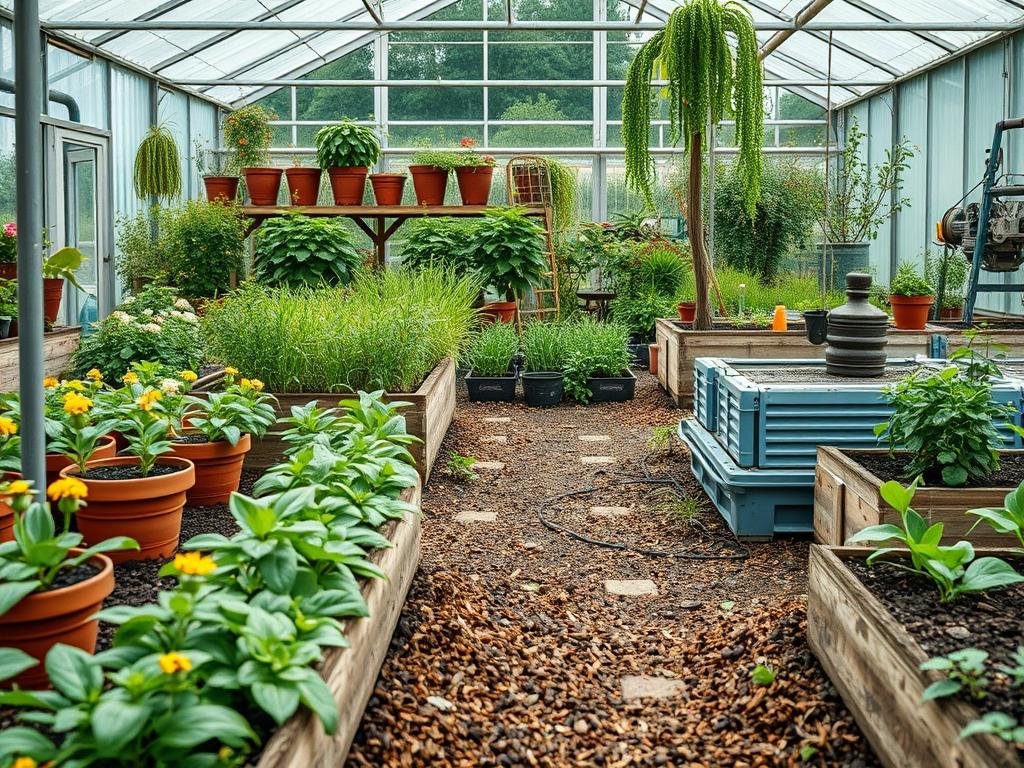
Transforming a neglected, low-light corner of a residential property into a thriving ecological hub requires a shift in traditional landscaping philosophy. Most homeowners view shady areas as dead zones where only moss or patchy turf can survive, yet these microclimates offer the perfect thermal regulation for various species of pollinators. Native Bee Habitats are particularly well-suited for these cooler, dampened sectors of the yard because many solitary bees seek shelter from the intense midday heat and wind. From a professional landscape architecture perspective, high-performance shade gardens serve two purposes. They increase the curb appeal of the property by adding texture and depth to the understory while simultaneously providing the high-quality forage and nesting sites necessary for local biodiversity. By integrating these habitats into the overall site plan, we move away from purely ornamental gardening and toward functional land management that stabilizes local ecosystems.
Successful outdoor environments depend on a comprehensive understanding of site conditions, particularly the interaction between light filtration and soil moisture. In shady corners, drainage becomes a primary concern. Without direct sunlight to facilitate evaporation, soil can remain saturated for extended periods, leading to root rot or anaerobic conditions that deter ground-nesting bees. A well-designed habitat addresses these challenges through intentional grading and the selection of flora that thrives in dappled light; creating a space that feels intentional rather than overgrown. This transition from a “problem area” to a focal point requires a balance of hardscaping, structured planting, and ecological sensitivity. When we design for native bees, we are not just planting flowers; we are engineering a multi-layered refuge that functions across all four seasons.
Landscape Design Principles
Effective landscape design for Native Bee Habitats relies on the principle of vertical stratification. This involves creating layers of vegetation that mimic a natural woodland edge, including ground covers, herbaceous perennials, small shrubs, and an overstory canopy. By utilizing different heights, you provide a windbreak for small pollinators and create diverse nesting opportunities. Visual balance is achieved by placing larger, bolder leaves in the background and finer-textured plants in the foreground. Symmetry can be used to frame the habitat, making it look like a deliberate part of the formal landscape rather than an accidental patch of weeds. For example, using a Low-Profile Retaining Wall to level a sloped shady corner provides a crisp edge that signals the area is under professional management.
Focal points are essential to guide the eye and elevate the aesthetic value of the shade garden. A stone water feature or a group of weathered Driftwood Logs can serve as an architectural anchor while providing essential hydration and nesting cavities for bees. Walkways should be planned to allow for maintenance access without compacting the soil where ground-nesting species might reside. Using Flagstone Pavers set in a bed of Decomposed Granite allows for water infiltration and provides small crevices where certain bee species may hibernate. Alignment is also critical; ensure that the height of the plantings does not obstruct important site lines or create safety hazards near driveways. By applying these architectural standards, the habitat becomes a structural asset that enhances the property’s overall footprint.
Plant and Material Selection
Selecting the right materials and biological components is the most critical phase of the consultancy. We prioritize native species because they have co-evolved with local bee populations, providing the specific pollen and nectar chemistry these insects require. The following table outlines the ideal selections for a shaded habitat in a temperate zone.
| Plant Type | Sun Exposure | Soil Needs | Water Demand | Growth Speed | Maintenance Level |
| :— | :— | :— | :— | :— | :— |
| Heuchera (Coral Bells) | Part Shade | Well-drained | Moderate | Medium | Low |
| Tiarella (Foamflower) | Full Shade | Rich/Humic | High | Medium | Very Low |
| Aquilegia (Wild Columbine) | Dappled Sun | Sandy/Loamy | Moderate | Fast | Moderate |
| Solidago flexicaulis (Zigzag Goldenrod) | Part Shade | Clay/Loam | Moderate | Fast | Low |
| Geranium maculatum (Wild Geranium) | Shade | Moist/Loam | Moderate | Medium | Low |
| Carex pensylvanica (Penn Sedge) | Shade | Dry/Moist | Low | Slow | Very Low |
In addition to plant life, we must consider the non-biological materials. Using Natural Cedar Shavings or Leaf Mold as mulch is preferable to dyed hardwood mulches, which can contain chemicals harmful to delicate larvae. For structural nesting, Bamboo Reeds or Pre-Drilled Wood Blocks with holes ranging from 1/8 inch to 3/8 inch in diameter provide essential housing for mason and leafcutter bees.
Implementation Strategy
The implementation phase begins with thorough site preparation. First, remove any invasive species or struggling turf using a Flat-head Spade, taking care to preserve the existing soil structure. Do not utilize heavy machinery in these small corners, as soil compaction is the enemy of the ground-nesting bee. Once the area is cleared, assess the grading. If water pools in the center, use a Landscaping Rake to create a gentle 2 percent slope away from building foundations and toward a designated rain garden or drainage swale.
After grading, incorporate 3 inches of organic compost into the top 6 inches of soil to improve tilth and nutrient availability. Lay out your plants while they are still in their nursery containers to verify the spacing. Aim for a density that allows for 12-inch to 18-inch gaps between mature plants, giving bees room to maneuver. When planting, ensure the crown of the plant is level with the soil surface. After the flora is installed, apply a 2-inch layer of Arborist Chips or shredded leaves. This mimics the forest floor and retains the moisture necessary for shade-loving species.
Hardscaping elements should be installed toward the back of the habitat to avoid interfering with the visual flow. Place Natural Fieldstones in sun-drenched spots if the corner receives even an hour of morning light; bees are ectothermic and need these stones to warm their bodies before flying. For cavity-nesting habitats, mount a Bee Hotel at a height of 4 feet to 5 feet on a sturdy post or fence. Ensure the hotel faces southeast to catch the early morning warmth, which stimulates bee activity. Finally, install a Soft-Hose Drip Irrigation System buried beneath the mulch to provide consistent moisture without wetting the foliage, which can lead to fungal issues in shaded areas.
Common Landscaping Failures
One of the most frequent mistakes in shade landscaping is the over-application of mulch. While mulch is necessary for weed suppression, a layer exceeding 4 inches creates a physical barrier that prevents ground-nesting bees from reaching the soil. Professional designs often leave small, 1-foot square patches of bare, well-drained earth specifically for these species. Another common failure is improper drainage planning. In shade, water does not disappear quickly; if the site is not graded correctly, the habitat will become a stagnant bog, killing both the plants and the dormant bees.
Irrigation inefficiency also plagues many residential projects. Oscillating sprinklers often waste water and saturate the “nesting” tubes of bee houses, leading to mold and larval death. Overcrowding is another issue; landscape architects must account for the mature width of plants like Hydrangea quercifolia or Large-Leaf Aster. When plants are packed too tightly, airflow is restricted, leading to powdery mildew and a lack of flight paths for the pollinators. Lastly, the use of broad-spectrum insecticides, even in nearby lawn areas, can drift into the shady corner and decimate the local bee population.
Seasonal Maintenance
Seasonal management of a Native Bee Habitat differs significantly from traditional “clean” gardening. In the spring, resist the urge to clear away dead stalks until temperatures consistently stay above 50 degrees Fahrenheit. Many native bees spend the winter as larvae inside those hollow stems. Cutting them too early effectively throws the next generation into the compost bin. Once the weather warms, prune the spent stems to a height of 8 inches to 12 inches to provide nesting sites for the coming season.
During the summer, focus on supplemental watering during dry spells. Use a Soaker Hose to keep the soil moist but not waterlogged. In autumn, leave the fallen leaves on the ground rather than raking them. This leaf litter provides vital insulation for queen bees overwintering in the soil. Winter maintenance is largely hands-off; simply ensure that heavy snow piles from shoveling do not crush the delicate structures or nesting boxes. By maintaining this cycle of “intentional messiness,” you provide a permanent sanctuary that supports the full life cycle of the pollinators.
Professional Landscaping FAQ
How do I prevent mosquitoes in a shady bee habitat?
Ensure proper drainage so no standing water remains for more than 24 hours. Use BTI Dunks in water features, which are organic larvicides that target mosquitoes specifically without harming bees, butterflies, or other beneficial insects.
Will a bee habitat attract aggressive hornets or wasps?
Solitary native bees are extremely docile and rarely sting. Wasps and hornets are attracted to human food and waste; as long as the habitat focus is on native flora, you will primarily attract non-aggressive, beneficial pollinators seeking nectar and pollen.
Can I build a bee habitat in a very small area?
Yes, even a 3-foot by 3-foot corner can be productive. Use vertical elements like Trellises with native vines and a wall-mounted bee house to maximize the ecological impact of a limited footprint.
Which mulch is safest for native pollinators?
Use Unfinished Leaf Mold or Shredded Pine Bark. Avoid black-dyed or red-dyed mulches, as the dyes and preservatives can be toxic to ground-nesting insects and may alter the soil chemistry in ways that deter native plants.
Do I need to clean out the bee hotel every year?
Yes, to prevent mite infestations and disease. In late fall or early spring, inspect the tubes. Replace any Disposable Paper Liners or clean the Wooden Blocks with a mild bleach solution once the bees have emerged to ensure a healthy environment.