
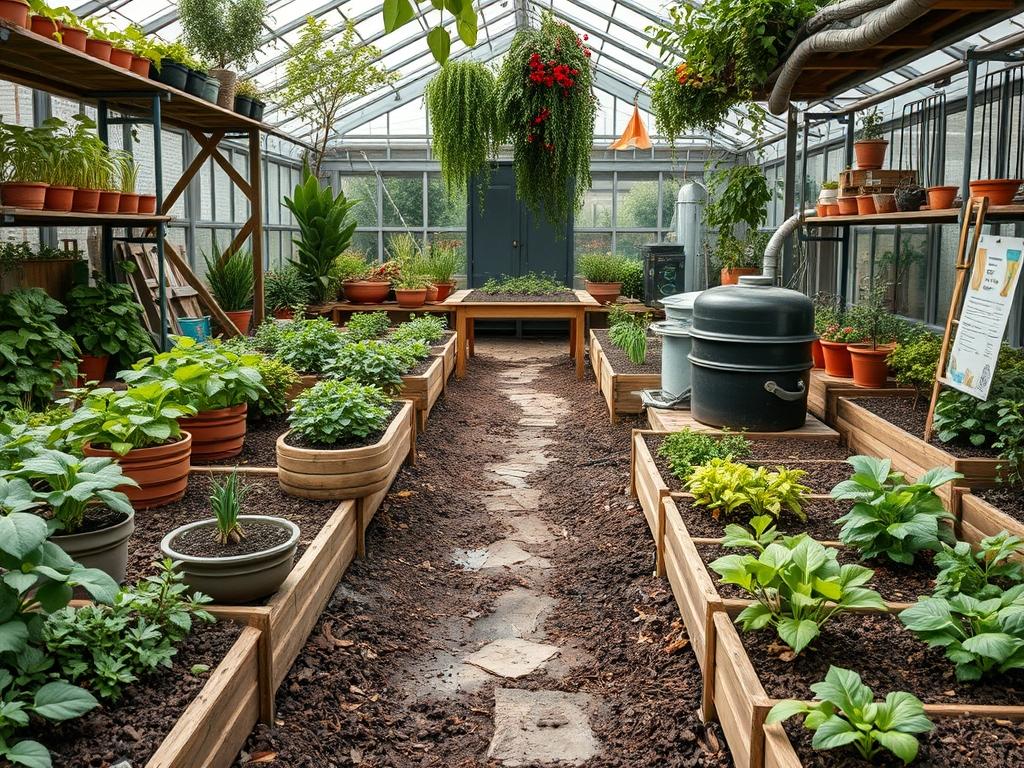
Integrating sustainable nutrient cycles into high-end landscape design requires a shift from viewing waste as a liability to recognizing it as a premium soil amendment. Landscape architects often struggle with poor subsoil quality in new developments, where heavy machinery has compacted the earth and stripped the organic horizon. Using humanure safely within a residential or commercial master plan allows for the restoration of these degraded environments while reducing the carbon footprint associated with synthetic fertilizers. This approach enhances curb appeal by fostering deeper root systems and more resilient foliage, creating a lush, professional finish that withstands climate fluctuations. When we plan for long-term outdoor functionality, we must consider how the nitrogen, phosphorus, and potassium found in properly composted organic matter can fuel a vibrant ecosystem. This transition toward circular biological systems represents the future of responsible land management, ensuring that every square foot of the property contributes to environmental health.
Landscape Design Principles
Effective landscape design relies on a marriage of geometry and biology. Symmetry provides a sense of order, particularly in formal entryways where boxwood hedges or stone pavers define the space. However, the secret to a professional landscape lies in the invisible infrastructure. Using humanure safely as a soil conditioner improves the cation exchange capacity of the earth, allowing for more vibrant color displays in focal points. Architects use focal points, such as a large weeping willow or a custom bronze sculpture, to draw the eye through the property. These elements are supported by elevation layers, ranging from low-lying creeping thyme to mid-story hydrangeas and towering oak trees.
Visual balance is achieved by mirroring weights rather than exact shapes. If a heavy retaining wall is placed on the left, a dense grouping of evergreens might balance the right side. Irrigation planning must also be integrated early in the design phase. Properly amended soil with high organic content retains moisture longer, which may allow for more efficient drip irrigation systems rather than high-volume sprayers. Walkways should be designed to handle traffic without compressing the precious soil structure beneath. By using permeable pavers or crushed granite, we ensure that oxygen continues to reach the root zones. This structural integrity is essential when applying processed compost, as aerobic conditions are necessary to maintain the biological health of the landscape.
Plant and Material Selection
Selecting the right biological components is critical for a high-performance landscape. The following table outlines primary plant choices that thrive in nutrient-rich environments amended with fully processed organic matter.
| Plant Type | Sun Exposure | Soil Needs | Water Demand | Growth Speed | Maintenance Level |
| :— | :— | :— | :— | :— | :— |
| Oak (Quercus) | Full Sun | Deep, Loamy | Moderate | Slow | Low |
| Switchgrass | Full Sun | Versatile | Low | Fast | Low |
| Hydrangea | Part Shade | Rich, Moist | High | Medium | Medium |
| Creeping Phlox | Full Sun | Well-Drained | Low | Medium | Low |
| Boxwood | Part Sun | Well-Drained | Moderate | Slow | Medium |
| Hostas | Full Shade | High Organic | Moderate | Medium | Low |
| Red Maple | Full Sun | Moist, Acidic | High | Fast | Medium |
When selecting materials, prioritize a pH meter to monitor the acidity of the soil after amendment. Hardwood mulch should be used to top-dress all beds to a depth of 3 inches, which suppresses weeds and regulates temperature. For structural elements, limestone or fieldstone provides a timeless aesthetic that complements the deep greens of a well-nourished garden.
Implementation Strategy
The transition from a design on paper to a physical landscape begins with grading. Proper grading ensures that water moves away from the foundation of the home at a minimum 2 percent slope. Once the rough grade is established, the focus shifts to soil preparation. Using humanure safely involves ensuring the material has reached thermophilic temperatures of at least 140 degrees Fahrenheit for a sustained period in the compost bin. This heat kills pathogens and weed seeds, resulting in a safe, earthy material.
Apply the finished compost to the planting beds with a flat shovel and incorporate it into the top 6 inches of the soil using a rototiller or garden fork. This prevents a distinct layer from forming, which could impede water movement. For edging, use steel edging or poured concrete curbs to create clean lines between the turf and the planting beds. Once the plants are installed, a deep layer of bark mulch should be applied. Drainage is the next priority; install French drains or catch basins in low-lying areas where water tends to collect. Finally, hardscaping elements like patio stones or boulder outcroppings should be set into a compacted gravel base to prevent shifting over time. This layered approach creates a professional, durable environment that maximizes the benefits of organic amendments.
Common Landscaping Failures
The most frequent mistake in sustainable landscaping is improper drainage management. When organic matter like composted humanure is added to heavy clay without proper aeration, it can create a bathtub effect where roots literally drown in stagnant water. Soil compaction is another silent killer. If a skid steer or heavy truck drives over the planting zones after the soil has been amended, the pore space is crushed, suffocating the microbial life.
Improper spacing is a common aesthetic failure. Homeowners often plant for immediate impact, forgetting that a small spruce can grow to 40 feet in diameter. This lead to root overcrowding and competition for nutrients, which can stress the plants and make them susceptible to disease. Furthermore, irrigation inefficiencies often plague new gardens. Over-watering can leach away the nitrogen provided by the humanure compost before the plants have a chance to absorb it. Finally, using “green” or unfinished compost is a major safety and horticultural error. Unfinished material can contain pathogens or have a high carbon-to-nitrogen ratio that actually robs the soil of nitrogen as it continues to break down. Always ensure the material is crumbly, dark, and smells like forest floor before application.
Seasonal Maintenance
Spring is the season for revitalization and assessment. Start by testing the soil with a test kit to check nutrient levels. Clean out any debris from gutters and downspouts to ensure water flows correctly into the landscape. This is the time to apply a thin 1 inch layer of fresh composted matter to the base of heavy feeders like roses or fruit trees.
Summer maintenance focuses on moisture retention and weed control. Check the drip lines for clogs and ensure that the mulch depth is still sufficient. During periods of extreme heat, deep watering in the early morning is more effective than shallow evening mists.
Autumn is for preparation and planting. This is the ideal time to plant new trees and shrubs, as the soil is warm but the air is cool. Using humanure safely as a top-dressing in the fall allows the nutrients to migrate into the soil profile over the winter. Prune any dead wood with bypass pruners to prevent snow load damage.
Winter is a period of dormancy but also of planning. Avoid using harsh de-icing salts near your planting beds, as these can ruin the soil chemistry you have worked so hard to build. Instead, use sand or birdseed for traction. Review the previous year’s growth and use a journal to note which areas thrived and which need more organic intervention in the coming spring.
Professional Landscaping FAQ
Is finished humanure compost safe for flower gardens?
Yes, when humanure reaches thermophilic temperatures above 140 degrees Fahrenheit, pathogens are destroyed. The resulting compost is a nutrient-dense, safe amendment for all ornamental landscapes, enhancing flower size, color intensity, and overall plant vigor throughout the growing season.
How do I prevent odors when using organic amendments?
Odors occur only if the composting process is anaerobic. Well-managed, aerobic humanure compost should smell like fresh earth. Always incorporate the compost into the existing soil and cover with 3 inches of wood mulch to provide a final scent barrier.
Can I use humanure on my lawn?
Applying a fine layer of screened compost as a top-dressing is excellent for turf. Use a broadcast spreader to apply about 0.25 inches after aeration. This practice improves soil structure and reduces the need for chemical fertilizers and excessive watering.
Will this type of compost attract pests to my yard?
Finished compost does not attract pests, as the organic sugars have already broken down. However, keep active compost bins secured with a locking lid or wire mesh to prevent rodents from investigating the heat or any non-humanure food scraps.
How much compost should I add to a new bed?
For new landscape beds, aim for a ratio of 30 percent compost to 70 percent native soil. This provides an immediate boost of organic matter while allowing the plants to acclimate to the local mineral soil, ensuring long-term structural stability.