
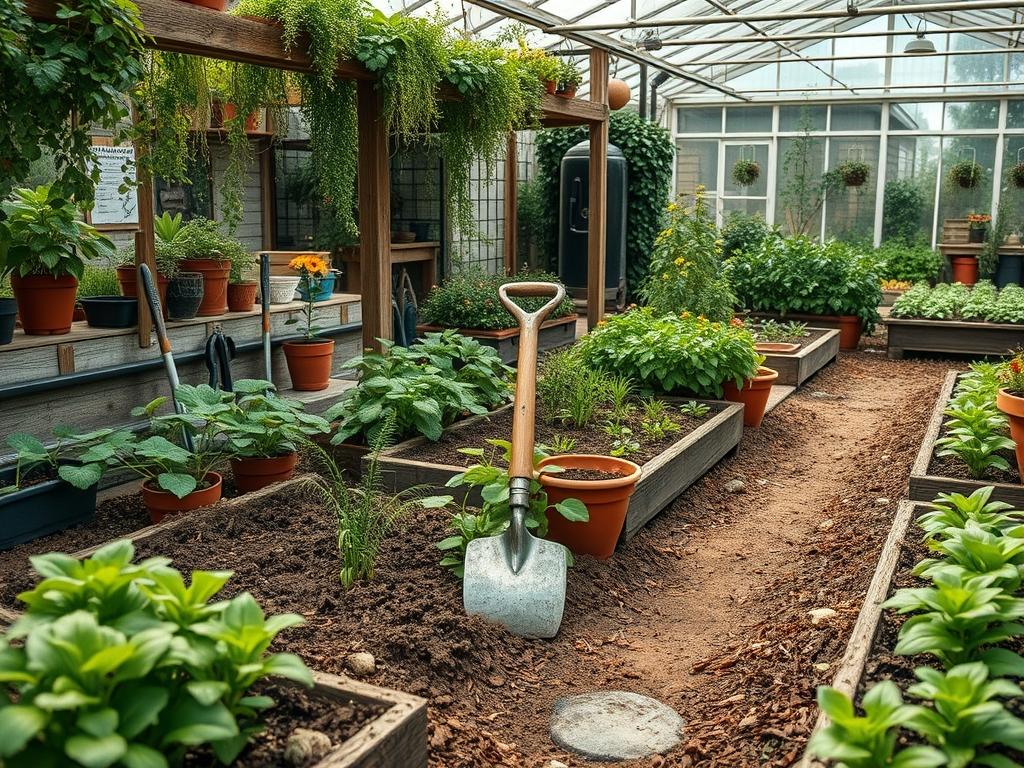
The longevity of a landscape is often determined by the precision of the initial installation and the consistency of subsequent care. High-end outdoor environments require more than just a creative eye; they demand a rigorous commitment to the hardware that shapes the earth. Traditional tool maintenance is the silent backbone of a successful landscape architecture project. When a D-handle spade is kept sharp, the edges of a garden bed remain crisp, preventing the visual bleed of turf into mulch. When bypass pruners are calibrated and clean, every cut on a Japanese Maple promotes rapid healing rather than inviting pathogenic decay. In humid climates, the battle against oxidation is constant, and failing to address rust can lead to structural failure in hand tools during critical planting windows. A commitment to maintaining these instruments ensures that the aesthetic goals of the property, from curb appeal to functional drainage, are met with professional-grade accuracy.
Landscape Design Principles
A successful master plan relies on the harmony between hardscape and softscape, a balance achieved through strict adherence to symmetry and focal points. When we design for symmetry, we are creating a sense of order and tranquility. This often involves the use of string lines and transit levels to ensure that rows of European Hornbeam are perfectly aligned or that a sequence of limestone pavers remains level across a thirty-foot span. Focal points, whether they are a specimen tree or a tiered water feature, require a clear visual path. This is where elevation layers come into play. By grading the soil to create subtle berms, we can elevate certain plantings to create a sense of depth and forced perspective.
Walking paths should be wide enough for two people to walk abreast, typically requiring a minimum width of 4 feet. These paths act as the circulatory system of the garden, leading the eye toward specific vistas. Proper irrigation planning is integrated early in the design phase, ensuring that high-water plants are grouped together in hydro-zones. This prevents the over-saturation of drought-tolerant species while ensuring that lush, tropical accents receive the moisture they need to thrive. Visual balance is not just about mirroring elements; it is about the weight of textures. The coarse texture of a retaining wall built from fieldstone should be tempered by the fine, airy foliage of Ornamental Grasses.
Plant and Material Selection
Selecting the right biological components is as critical as the tools used to install them. The following table outlines primary selections for a resilient, high-maintenance landscape that rewards the diligent gardener.
| Plant Type | Sun Exposure | Soil Needs | Water Demand | Growth Speed | Maintenance Level |
| :— | :— | :— | :— | :— | :— |
| Boxwood (Buxus) | Full Sun to Part Shade | Well-drained, Loamy | Moderate | Slow | High (Pruning) |
| Lavender (Lavandula) | Full Sun | Sandy, Alkaline | Low | Moderate | Medium (Deadheading) |
| Switchgrass (Panicum) | Full Sun | Adaptable/Clay | Low | Fast | Low (Cutback) |
| Oakleaf Hydrangea | Part Shade | Rich, Organic | Moderate | Moderate | Medium (Thinning) |
| Creeping Thyme | Full Sun | Gritty, Poor soil | Low | Moderate | Low (Edge Control) |
Implementation Strategy
The transition from a blueprint to a physical garden requires a systematic approach to implementation. We begin with grading, which is the most critical step for site longevity. A landscape rake and grading hoe are used to create a 2 percent slope away from the home foundation, ensuring that runoff does not collect near the basement or crawlspace. Once the rough grade is established, we mark the beds using marking paint or a flexible garden hose to define the curves.
Edging follows the grading process. Using a half-moon edger, we cut a vertical trench at least 4 inches deep between the lawn and the planting bed. This physical barrier, when combined with a 3-inch layer of double-shredded hardwood mulch, prevents weeds from migrating. Drainage solutions, such as French drains or dry creek beds, are installed prior to planting. We use trenching spades to create narrow channels for perforated PVC pipe, wrapping the pipe in geotextile fabric to prevent silt from clogging the system. Hardscaping, including the installation of retaining walls or flagstone patios, must be set on a compacted base of crushed stone and top-down fines to prevent shifting during freeze-thaw cycles.
Common Landscaping Failures
The most frequent failure in professional landscaping is improper drainage management. When water pools around the root ball of a newly installed specimen tree, the roots undergo anaerobic stress and eventually rot. This is often caused by glazed soil walls in the planting hole, a result of using a dull shovel in heavy clay. Another common mistake is root overcrowding. Planting Leyland Cypress too close together provides an immediate screen, but within five years, the lack of airflow leads to needle blight.
Improper spacing and failing to account for the mature spread of a plant can also ruin a design. Soil compaction is a silent killer, often caused by heavy machinery moving across the site during construction. This destroys the soil structure, preventing oxygen from reaching the roots. Finally, irrigation inefficiencies, such as spray heads hitting the foliage of Roses instead of the soil, can lead to powdery mildew and other fungal outbreaks. Maintaining clean, sharp pruning saws is essential here; a jagged cut from a dull blade creates a much larger surface area for disease to enter the plant than a clean, surgical incision.
Seasonal Maintenance
Maintaining the landscape and the tools used to manage it changes with the calendar. In the spring, the focus is on reactivation. This is the time to sharpen all cutting edges using a mill bastard file. We apply boiled linseed oil to wooden handles of shovels and rakes to prevent splintering. Soil testing is performed to determine if lime or sulfur is needed to adjust the pH before the first flush of growth.
Summer maintenance centers on moisture management and pest control. Use a scuffle hoe to disturb the soil surface, cutting off weed seedlings before they can establish. If the weather is dry, deep watering should be done early in the morning. Autumn is the season for renovation. We use leaf rakes and thatch rakes to clear debris. This is also the time for core aeration to combat soil compaction. Before winter sets in, every metal tool surface should be cleaned with a wire brush and coated with a thin layer of mineral oil or WD-40 to prevent rust during the dormant months. Store tools off the ground in a dry environment to ensure they are ready for the next spring cycle.
Professional Landscaping FAQ
How do I prevent my shovel from rusting after use?
Clean the blade with a wire brush to remove all soil and moisture. Wipe the metal surface with a rag soaked in mineral oil. Storing the tool in a bucket of sand mixed with oil provides a protective self-cleaning barrier.
What is the best way to sharpen bypass pruners?
Use a diamond sharpening stone or a specialized pruning file. Follow the factory bevel on the outside of the cutting blade only. Work in a single direction away from your body and avoid sharpening the flat side of the blade.
When should I oil the wooden handles of my landscaping tools?
Apply boiled linseed oil at least twice a year, specifically in spring and autumn. Sand the handle with 120-grit sandpaper first to remove splinters and old finish. This prevents the wood from drying out and snapping under heavy loads.
Why is my hedge trimmer tearing the leaves instead of cutting them?
This indicates the blades are dull or there is too much gap between them. Sharpen the individual teeth with a tapered file and tighten the pivot bolt to ensure the blades shear against one another with minimal clearance.
How can I remove sap and pitch from my pruning saws?
Apply a small amount of solvent or turpentine to the blade and scrub with a stiff brush. This prevents the teeth from gumming up. Follow this cleaning with a light application of WD-40 to prevent corrosion during storage.