The modern landscape architect faces a unique challenge when balancing high-end aesthetic appeal with the growing demand for productive, edible environments. Traditionally, property owners viewed any uninvited plant as a nuisance to be eradicated through chemical intervention or mechanical removal. However, the shift toward sustainable urban foraging and permaculture has transformed how we perceive the spontaneous flora often dismissed as weeds. Integrating these resilient species into a formal garden design requires a sophisticated understanding of microclimates, soil health, and visual hierarchy. By treating Edible Weed Salads as the primary yield of a managed ecosystem, we can create landscapes that provide nutritional value while maintaining the structural integrity and curb appeal of a professional installation. This approach requires a localized strategy that accounts for drainage patterns and the aggressive growth habits of opportunistic species.
Designing a landscape that accommodates foragers involves more than just letting a backyard go wild. It requires a rigorous application of site analysis to ensure that the site remains functional and beautiful throughout the year. The goal is to move beyond the binary of weed versus ornamental. Instead, we treat species like Dandelion, Purslane, and Chickweed as intentional groundcovers or accent plants within a larger architectural framework. This ensures that the harvest for various nutritious recipes is clean, accessible, and high-yielding. When we plan these spaces, we must consider the transition between hardscaped areas, such as Paver Patios or Decks, and the softscaped zones where these edible pioneers thrive.
Landscape Design Principles
Successful integration of edible species starts with the principle of visual balance and symmetry. To prevent a productive garden from appearing unkempt, use formal structures to frame the wilder elements. Stone Retaining Walls or Boxwood Hedges provide a clean “frame” for the more organic, sprawling growth of edible greens. For example, a row of Stinging Nettles can be positioned at the rear of a tiered planter, providing a textured backdrop while remaining safely out of reach of high-traffic walkways. Creating a focal point, such as a large Basalt Bird Bath or a sculptural Japanese Maple, draws the eye away from the informal texture of a clover-rich lawn and centers the composition.
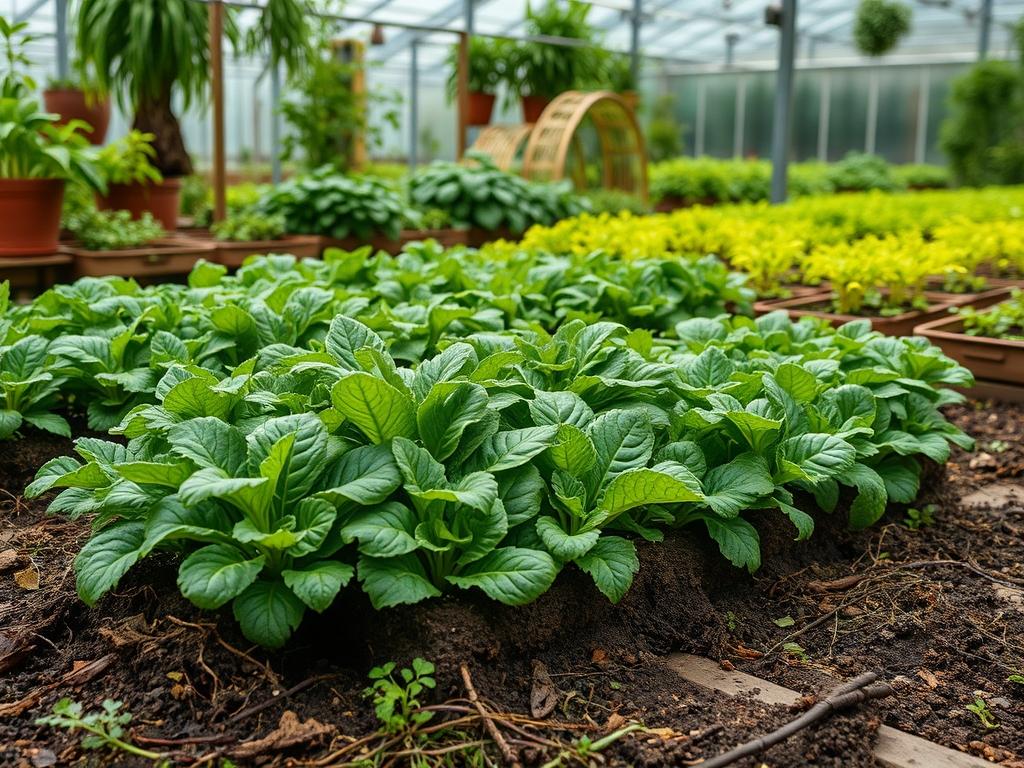
Elevation layers are critical in professional garden planning. By utilizing various heights, you maximize the photosynthesis potential of the site. I recommend a three-tier system: the canopy, the mid-story, and the ground layer. Many of the ingredients for the most nutritious Edible Weed Salads occupy the ground layer, thriving in the dappled shade of larger shrubs and trees. Planning for irrigation is equally vital. While wild species are often drought-tolerant, consistent moisture improves the succulence and flavor of the leaves. Subsurface Drip Irrigation Lines are the gold standard here, as they deliver water directly to the root zone without encouraging fungal growth on the foliage you intend to consume.
The layout must also prioritize functionality and ease of access. Flagstone Walkways with a minimum width of 36 Inches allow for comfortable movement through the garden for harvesting and maintenance. Using Steel Edging to define the borders of these paths creates a crisp line that compensates for the softer, more chaotic appearance of edible wild greens. This visual contrast is what separates a professional landscape from a neglected lot.
Plant and Material Selection
Selecting the right species for your foraging landscape depends entirely on your specific site conditions. Not every “weed” is suitable for every garden. We must evaluate species based on their aggressive nature and their nutritional profile.
| Plant Type | Sun Exposure | Soil Needs | Water Demand | Growth Speed | Maintenance Level |
| :— | :— | :— | :— | :— | :— |
| Dandelion | Full Sun | Loamy/Disturbed | Moderate | Fast | Low |
| Purslane | Full Sun | Sandy/Well-Drained | Low | Rapid | Minimal |
| Chickweed | Part Shade | Rich/Moist | High | Moderate | Medium |
| Lambsquarters | Full Sun | Nitrogen Rich | Moderate | Fast | Low |
| Wood Sorrel | Shade | Acidic/Moist | Moderate | Slow | Low |
| Garlic Mustard | Part Shade | Any/Invasive | Moderate | Rapid | High |
| Broadleaf Plantain | Full Sun | Compacted/Clay | Low | Moderate | Low |
Materials used in the construction of these beds should be non-toxic and durable. Avoid using pressure-treated lumber from older stock that might contain arsenic or other heavy metals. Instead, opt for Redwood, Cedar, or Composite Juncture Boards. When selecting mulch, a Triple-Shredded Hardwood Mulch or Pine Bark Nuggets applied at a depth of 3 Inches will help retain moisture and suppress the growth of non-edible, competitive species while providing a clean surface for harvesting.
Implementation Strategy
The implementation phase begins with proper site grading. Before planting, ensure the land slopes away from any permanent structures at a rate of at least 2 Percent. This prevents water from pooling, which can lead to root rot in your more delicate edible species. If the site has poor natural drainage, consider installing a French Drain hidden beneath a bed of River Rock. Once the grading is established, define the garden beds using a high-quality Heavy-Duty Landscape Fabric only under the hardscaped paths, never under the planting beds themselves, as this restricts the natural soil biology necessary for nutrient-dense greens.
Next, focus on soil preparation. Most edible wild plants thrive in nitrogen-rich environments. Incorporate 2 Inches of Organic Compost into the top 6 Inches of the soil profile. For species like Purslane, which prefer a grittier texture, mix in small amounts of Coarse Builder’s Sand. When laying out the plants, use a staggered triangular pattern rather than straight rows; this creates a fuller, more natural appearance that mimics a high-end ornamental bed while maximizing the harvest area.
Edging is the secret to a professional look. Use Aluminum Edging or Belgium Block to create a permanent boundary between the lawn and the edible beds. This prevents the “weeds” from migrating into turf areas where they might be accidentally mowed or treated with chemicals. Finally, ensure that your Mulch Depth is consistent across the entire project. This provides a unified color palette that ties the different zones of the landscape together.
Common Landscaping Failures
The most frequent mistake in designing a productive landscape is the failure to account for root overcrowding. Many edible wild species have deep taproots, like the Dandelion, or vigorous horizontal runners, such as Ground Ivy. If these are not managed, they will quickly outcompete your ornamental specimens. I recommend using Root Barriers made of High-Density Polyethylene to a depth of 12 Inches around particularly aggressive spreaders.
Another common failure is poor drainage planning. While many wild greens are hardy, standing water will suffocate the roots and lead to anaerobic soil conditions. This not only kills the plants but can also attract pests like mosquitoes and fungus gnats. Soil compaction is a further issue, particularly in high-traffic areas. When soil is compacted, it loses the pore space necessary for oxygen and water infiltration. To mitigate this, design your landscape with clearly defined Stone Paths to keep foot traffic off the sensitive growing medium.
Irrigation inefficiency is also a major concern. Over-watering can lead to a loss of flavor in Edible Weed Salads, as the plants become bloated and water-logged. Conversely, underwatering makes the leaves bitter and tough. A Smart Irrigation Controller with a weather-sensing probe can help maintain the perfect balance, ensuring the yield is always at peak quality for culinary use.
Seasonal Maintenance
Landscape management is a year-round commitment. In the spring, the focus should be on soil aeration and the initial harvest of tender young greens like Wild Violets and Chickweed. This is also the time to apply a fresh layer of Bark Mulch and check the integrity of your Irritation Emitters. As we move into summer, the growth rate of species like Purslane and Lambsquarters will peak. Regular deadheading is required to prevent these plants from going to seed and overwhelming the garden design.
During the autumn months, the focus shifts to cleanup and preparation for dormancy. Cut back any perennials and harvest the final crops. This is an excellent time to add Leaf Mold to the beds, which will break down over the winter and provide a boost of nutrients for the following season. In winter, maintenance involves protecting the permanent structures. Ensure that Retaining Walls are clear of heavy snow loads and check for any signs of erosion or frost heave in your Paver Walkways. By following this seasonal cycle, the landscape remains a crisp, professional environment that continues to produce high-quality ingredients for nutritious meals year after year.
Professional Landscaping FAQ
How do I ensure my weeds are safe to eat?
Always verify the species using a botanical guide. Ensure the area has not been treated with Herbicides, Pesticides, or chemical fertilizers for at least three seasons. Design your beds away from roadside runoff to avoid heavy metal contamination.
Can I grow edible weeds in containers?
Yes. Using Terra Cotta Pots or Cedar Planter Boxes is an excellent way to control aggressive species like Mint or Sorrel. Ensure containers have adequate Drainage Holes and use a high-quality Potting Mix enriched with organic matter.
What is the best mulch for an edible garden?
I recommend Straw or Refined Bark Mulch. Avoid dyed mulches, as they can leach chemicals into the soil. A layer of 3 Inches is sufficient to regulate temperature and maintain the moisture levels required for succulent greens.
How do I prevent my foraging garden from looking messy?
Use architectural elements like Trimmed Hedges, Symmetrical Pathing, and Permanent Edging. By placing wilder plants within a strict geometric layout, you signal that the growth is intentional, maintaining the property’s curb appeal while fulfilling your functional goals.
Do these plants require special fertilization?
Most wild species thrive on minimal intervention. However, a top-dressing of Worm Castings or Well-Rotted Manure in the early spring will improve leaf size and nutritional density. Avoid high-nitrogen synthetic fertilizers, which can cause erratic growth and diminish flavor profiles.