
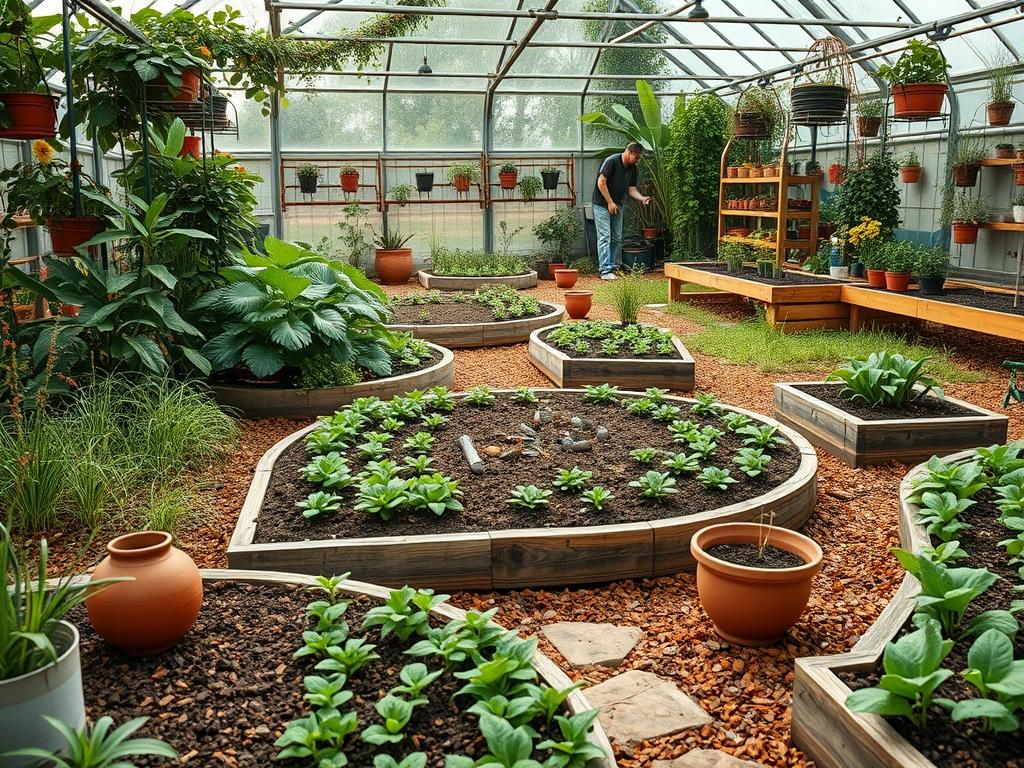
Traditional linear gardening often ignores the fluid movement of the human body and the natural dispersal of water. Landscape architects increasingly find that rigid rows create unnecessary labor, forcing the gardener to traverse long distances to reach a single plant in the center of a bed. Designing Mandala Gardens solves this efficiency crisis by utilizing concentric, radial patterns that minimize wasted space and maximize accessibility. These geometric layouts are not merely aesthetic choices; they represent a fundamental shift in how we manage microclimates and soil energy. By arranging plantings in a series of circles or keyhole shapes, we create a landscape that functions as a self-sustaining ecosystem. This approach addresses common site challenges such as wind exposure and uneven irrigation while significantly boosting curb appeal through a sophisticated, architectural focal point.
In modern outdoor environment consulting, the goal is to balance functionality with biological health. A mandala layout facilitates this by creating “zones” based on a gardener’s radius of reach. This reduces the footprint of compacted soil, as the primary foot traffic is limited to specific, permanent pathways. When we consider the climate, a circular design can act as a natural windbreak if the outer rings consist of taller, hardier species. The center of the mandala often remains more humid and shielded, providing a haven for delicate varieties that might fail in a traditional perimeter garden. This strategic layering ensures that every square foot of the property serves a purpose, whether it is for food production, pollinator support, or aesthetic tranquility.
Landscape Design Principles
The primary principle of Designing Mandala Gardens is radial symmetry. This symmetry allows for a centralized irrigation hub, which simplifies the plumbing of Drip Lines and Soaker Hoses. Within this framework, focal points are essential. A central hub could feature a Birdbath, a Sunken Cold Frame, or a Specimen Tree like a Japanese Maple. These elements provide a visual anchor that draws the eye inward, creating a sense of balance that linear gardens often lack. Elevation layers play a critical role here; by mounding soil toward the center or creating tiered Retaining Walls, the gardener gains better drainage and easier access to the plants without bending as deeply.
Walkway design in a mandala is typically based on the “keyhole” concept. This involves a main path circling the garden with small, indented aisles leading toward the center. These paths ensure that a person can reach every plant within a 2 foot to 3 foot radius without ever stepping on the growing medium. This prevention of soil compaction is vital for maintaining the microbial life and aeration necessary for root health. Furthermore, visual balance is achieved by repeating colors or textures across the different quadrants of the circle. Using Crushed Granite or Pea Gravel for the paths provides a clean contrast against the lush greenery, defining the geometry of the space from both ground level and from second story views.
Plant and Material Selection
Selecting the right materials determines the longevity of the installation. For the structural boundaries, Cedar Planks, Galvanized Steel Edging, or Fieldstone provide the necessary rigidity to hold circular forms. Below is a curated selection of plants that thrive within the varied microclimates of a mandala structure.
| Plant Type | Sun Exposure | Soil Needs | Water Demand | Growth Speed | Maintenance Level |
| :— | :— | :— | :— | :— | :— |
| Lavender | Full Sun | Sandy/Well-Drained | Low | Moderate | Low |
| Echinacea | Full Sun | Loamy/Average | Low to Moderate | Fast | Low |
| Hostas | Partial Shade | Rich/Moist | Moderate | Moderate | Low |
| Rosemary | Full Sun | Gritty/Dry | Low | Slow to Moderate | Low |
| Blueberry Bush | Full Sun/Part Shade | Acidic/Peat-rich | High | Slow | Moderate |
| Salvia | Full Sun | Well-Drained | Moderate | Fast | Low |
| Switchgrass | Full Sun | Adaptable | Low | Fast | Very Low |
Implementation Strategy
Ground preparation is the most labor intensive phase of building a mandala. Start by identifying the center point of your site and drive a Wooden Stake firmly into the ground. Attach a length of Twine to the stake to act as a compass. Use this tool to mark out the outer circumference and subsequent inner rings with Marking Paint. Once the layout is visible, grading must be addressed. Ensure the site has a slight slope away from any permanent structures to facilitate drainage, or consider a “sunken” center if you are in an extremely arid climate to capture every drop of runoff.
After marking the beds, install your edging materials. Flexible Steel Edging is particularly effective for maintaining clean, 360 degree curves. Once the boundaries are set, remove the existing turf and clear all debris. Lay down a layer of Cardboard or Geotextile Fabric to suppress weeds, then cover it with 3 inches of high quality Compost and Topsoil. For the walkways, an 8 inch depth of Wood Chips or Pathways Stone over a weed barrier will keep the area navigable even after heavy rain. Finally, install your Irrigation Controller and Emitters before planting. This sequence ensures that delicate root systems are not disturbed by heavy construction once they are in the ground.
Common Landscaping Failures
The most frequent mistake when Designing Mandala Gardens is improper drainage planning. Because the design is circular, water can sometimes pool in the center if it is not properly graded. If the site has heavy Clay Soil, the center must be elevated or a French Drain must be installed to prevent root rot. Another common failure is root overcrowding. It is tempting to pack the mandala with plants for immediate visual impact, but you must respect the mature width of each species. Overcrowding blocks airflow, which leads to fungal diseases and prevents sunlight from reaching the lower layers of the garden.
Irrigation inefficiencies also plague many DIY installations. If the Drip Emitters are not calibrated for the different water needs of each ring, some plants will be drowned while others wither. For example, thirsty shrubs in the outer ring should not be on the same zone as drought tolerant herbs. Finally, soil compaction remains a constant threat. If the keyhole paths are too narrow, people will inevitably step into the beds. Always design paths to be at least 18 inches wide to accommodate human movement and tools like a Wheelbarrow or Garden Cart.
Seasonal Maintenance
Spring is the season for structural assessment and soil replenishment. Check all Hardscaping for shifting caused by frost heave and add a fresh 2 inch layer of Mulch to the beds to retain moisture for the coming heat. Prune any woody perennials like Sage or Butterfly Bush to encourage new growth. In the summer, the focus shifts to irrigation management. Check for clogged Nozzles and ensure the water is reaching the root zones rather than just wetting the foliage. This is also the time to deadhead spent blooms to keep the mandala looking vibrant and focused.
As autumn approaches, use the mandala’s geometry to your advantage by composting in place. Fallen leaves can be shredded and tucked under the existing mulch layer to feed the soil over the winter. This is also the best time to plant Spring Bulbs like Tulips and Daffodils along the edges of your keyhole paths. Winter maintenance involves protecting the soil from erosion. If the garden is empty of perennials, plant a Cover Crop like Clover or Winter Rye to keep the soil structure intact. Inspect your Retaining Walls and Stone Edging during thaws to ensure no structural integrity has been lost to the ice.
Professional Landscaping FAQ
How much space do I need for a mandala garden?
A functional mandala requires at least a 10 foot diameter to accommodate a center focal point and a single ring of planting. However, a 20 foot diameter is ideal for creating multiple accessible keyhole paths and diverse plant layers.
Which mulch is best for circular beds?
Triple-Shredded Hardwood Mulch is excellent because it interlocks, preventing it from sliding down mounded beds. For a more decorative look, Pine Bark Nuggets provide a long-lasting cover, though they may migrate more easily during heavy rain or high winds.
Can I build a mandala garden on a slope?
Yes, but it requires terracing. You must use Retaining Walls or Stone Headers to create flat, circular tiers. This prevents soil erosion and ensures that irrigation water soaks into the ground rather than running off the side of the hill.
Does a mandala garden increase property value?
A well executed mandala garden significantly boosts curb appeal and perceived value. It demonstrates professional landscape architectural planning and offers a unique, high end look that distinguishes a property from the standard suburban lawn and foundation planting.
How do I manage pests in a circular layout?
The mandala’s diverse planting scheme promotes Integrated Pest Management. By mixing Marigolds and Alliums throughout the rings, you naturally repel common insects. The centralized design also makes it easier to inspect the entire garden quickly from the middle.