
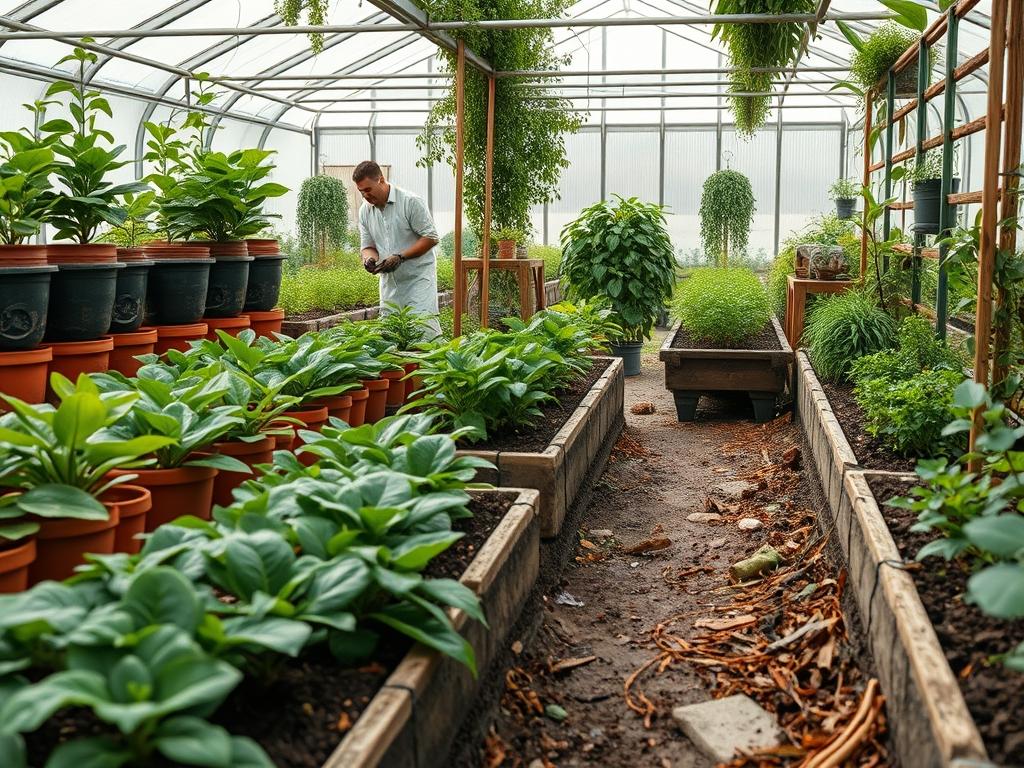
Integrating a high performance nutrient cycle into a professional landscape design requires more than just aesthetic planning; it necessitates a deep understanding of soil chemistry and plant physiology. For the modern landscape architect, the challenge lies in maintaining peak curb appeal throughout the growing season without over-reliance on synthetic fertilizers that can degrade soil structure over time. Sustainable luxury in outdoor environments is increasingly defined by the health and vitality of the ecosystem. This is where the practice of using comfrey tea becomes a critical tool for the site manager. By utilizing Symphytum x upplandicum, specifically the Bocking 14 cultivar, designers can create a closed-loop system that provides a potent, organic liquid feed. This approach addresses the common landscaping challenge of nutrient depletion in high-traffic display beds, ensuring that focal points remain lush and resilient against climate stressors like heat waves or unexpected cold snaps.
Landscape Design Principles
A successful landscape relies on a foundation of structural balance and visual harmony. When planning a site that incorporates organic feeding cycles, symmetry and focal points must be supported by a robust irrigation and nutrition strategy. Elevation layers, from ground covers to the canopy, require different nutrient profiles. Using comfrey tea is particularly effective for the mid-layer and flowering perennials that define the visual character of a garden. These plants often demand high levels of potassium to sustain prolific blooming and strong cellular structure.
From a design perspective, the source of this nutrient-rich feed should be tucked away in a functional zone, perhaps near the compost area or behind a retaining wall. This ensures that the production process does not detract from the garden aesthetic while remaining accessible for maintenance crews. Walkways should be designed to allow easy access for pressure sprayers or watering cans used for application. Furthermore, irrigation planning should account for the periodic introduction of liquid feeds. While automated systems are efficient, targeted hand-feeding with a pure organic concentrate allows for precision care of specimen plants that serve as the landscape focal points. This visual balance is maintained when the most prominent plants receive the highest quality inputs, preventing the yellowing or stunted growth that can ruin a carefully curated sightline.
Plant and Material Selection
Selecting the right plant material is the cornerstone of any sustainable landscape. The following table outlines several plants that thrive when integrated into a feeding program using comfrey tea.
| Plant Type | Sun Exposure | Soil Needs | Water Demand | Growth Speed | Maintenance Level |
| :— | :— | :— | :— | :— | :— |
| Hydrangea macrophylla | Partial Shade | Humus Rich | High | Moderate | Medium |
| Salvia nemorosa | Full Sun | Well Drained | Low to Medium | Fast | Low |
| Rosa floribunda | Full Sun | Deep Loam | Medium | Moderate | High |
| Lavandula angustifolia | Full Sun | Gritty/Alkaline | Low | Moderate | Low |
| Buxus sempervirens | Sun or Shade | Any Well Drained | Medium | Slow | Medium |
To produce the feed, the landscape must include a dedicated patch of comfrey. Bocking 14 is preferred because it is sterile and will not invade neighboring beds. The materials required for production include a 20 liter bucket or a large water butt, a tight fitting lid, and a weighted stone to compress the foliage. For the application phase, a fine mesh strainer and a measuring jug are essential to ensure the correct dilution ratios are achieved.
Implementation Strategy
The process of using comfrey tea begins with the establishment of the comfrey harvest zone. This should be a sun-drenched corner with deep soil, as comfrey roots can reach depths of 2 meters, pulling minerals from the subsoil. Once the plants are established, the implementation follows a specific technical workflow.
First, harvest the leaves by cutting the plants down to approximately 5 centimeters above the ground using bypass pruners or a sickle. This can be done three to four times per season. For the pure feed method, pack the harvested leaves tightly into a 10 liter container. Do not add water at this stage if you are seeking a high-potency concentrate; this is known as the dry method. Place a heavy weight on top of the leaves and seal the container. Over the course of 2 to 4 weeks, the leaves will decompose into a thick, black, pungent liquid.
The drainage of this concentrate is managed through a small hole at the bottom of the container or by pouring the liquid out carefully. This “liquid gold” is far too strong to be used directly on delicate root systems. For general landscape maintenance, dilute the concentrate at a ratio of 1 part tea to 15 parts water. For heavy feeders like climbing roses or fruiting shrubs, a stronger ratio of 1:10 is appropriate.
When applying the feed, focus on the drip line of the plants. This is the area directly beneath the outer circumference of the branches where the most active feeder roots reside. Ensure the soil is already moist before application to prevent the nutrients from leaching too quickly through dry, hydrophobic channels. This strategy should be integrated with your mulch management; apply the liquid feed under the 3 inch layer of bark mulch or leaf mold to ensure maximum absorption and minimal evaporation.
Common Landscaping Failures
One of the most frequent errors in professional landscaping is the mismanagement of site drainage, which can render even the best organic feeding programs ineffective. If a site has poor grading, liquid feeds will pool in low spots, leading to anaerobic conditions and root rot. Using comfrey tea in these areas can exacerbate fungal issues if the soil is not properly aerated.
Another common failure is root overcrowding. When plants are spaced too closely for immediate “refinement,” they compete for the high-potassium nutrients provided by the tea. This competition often leads to a patchy appearance where some plants thrive and others become stunted. Improper spacing also restricts airflow, which, when combined with the high nitrogen content of a leaf-heavy feed, can invite pests like aphids or powdery mildew.
Soil compaction is a silent killer in high-density landscapes. If the soil is compacted by construction traffic or heavy footfall, the tea will simply run off the surface rather than penetrating the root zone. Furthermore, irrigation inefficiencies, such as overhead spraying during the heat of the day, can cause the organic nutrients to break down or scorch the foliage if the tea is used as a foliar spray. Professional installers must ensure that the application of liquid feeds is synchronized with the site’s drainage capacity and moisture levels.
Seasonal Maintenance
Landscape management is a year-round commitment. Using comfrey tea follows a seasonal rhythm that aligns with the plant’s growth cycles.
Spring: As the soil warms and new growth appears, focus on establishing the comfrey patch. Apply the first round of diluted tea to emerging perennials and ornamental grasses to support early spring vigor. This is also the time to check the irrigation lines for leaks before the heavy feeding season begins.
Summer: This is the peak production period. Harvest comfrey leaves every 5 to 6 weeks. Apply the feed every 14 days to flowering displays to prolong the blooming period and maintain vibrant color. During periods of drought, increase the dilution to 1:20 to ensure the plants stay hydrated while receiving a mild nutrient boost.
Autumn: Slow down the feeding schedule. High potassium is beneficial for hardening off wood in shrubs and trees before winter, but excessive nitrogen can encourage soft new growth that will be damaged by frost. Perform a final harvest of comfrey leaves and use them as a mulch around the base of the comfrey plants themselves to return nutrients to the soil.
Winter: Maintenance shifts to the infrastructure. Clean and disinfect all fermentation vessels and application tools. Review the landscape’s performance from the previous year. Plan for any adjustments in grading or edging that will improve the efficiency of the feeding program in the coming spring.
Professional Landscaping FAQ
How often should I apply comfrey tea to display beds?
For most ornamental landscapes, an application every 14 to 21 days during the active growing season is optimal. High-performance flowering plants may benefit from weekly applications during their peak bloom cycles to maintain visual density.
Can comfrey tea be used in automated fertigation systems?
Yes, but the liquid must be meticulously filtered through fine muslin to remove all organic debris. Unfiltered tea will clog emitters and solenoid valves, leading to system-wide irrigation failure and costly repairs.
Does the smell of the tea impact outdoor living spaces?
The “dry method” concentrate is extremely pungent during fermentation. To protect the environment of outdoor kitchens or seating areas, keep fermentation vessels tightly sealed and located at least 5 meters away from primary guest zones.
Will comfrey tea stain stone walkways or patios?
The concentrated liquid is dark and can stain porous materials like limestone, sandstone, or light colored concrete. Always apply the feed directly to the soil and rinse any accidental spills on hardscaping immediately with clean water.
Is it safe to use on native plant installations?
Native plants are often adapted to low-nutrient soils. While comfrey tea is organic, it is very potent. Use a highly diluted ratio of 1:20 or 1:30 for natives to avoid disrupting their natural growth patterns or blooming cycles.